Prince Andrew Arrested in London Over Epstein Documents
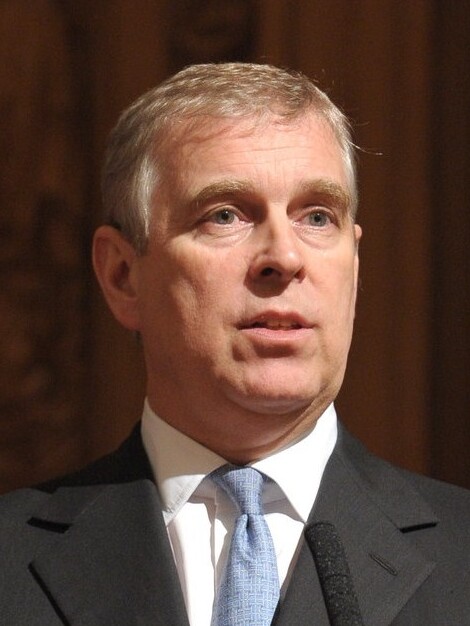
U.S. Lawmakers Demand Domestic Charges After Prince Andrew Arrest
The arrest of Prince Andrew in London on Thursday has prompted members of Congress to question why no additional Americans beyond Jeffrey Epstein and Ghislaine Maxwell have faced criminal charges in connection with the convicted sex offender’s trafficking network.13
Andrew Mountbatten-Windsor, the former Duke of York, was arrested following “the emergence of documents detailing communication between the former prince and the late convicted sex offender, Jeffrey Epstein,” according to ABC News.1 The BBC reported that U.S. lawmakers are now urging “their government to follow the UK’s suit and push harder on those who were close to Jeffrey Epstein.”3
The arrest marks the first time a high-profile Epstein associate has faced criminal charges since Maxwell’s 2021 conviction, intensifying pressure on American law enforcement to pursue domestic investigations.
Congressional Questions on FBI Investigation Gaps
Les Wexner, the billionaire founder of L Brands and Epstein’s former primary client, told Congress he “was never contacted by FBI about Jeffrey Epstein ties,” according to testimony reported by 23ABC News Bakersfield.2
Wexner’s statement to lawmakers raises questions about the scope of FBI interviews conducted during its investigation into Epstein’s network. The billionaire had a decades-long financial relationship with Epstein, who managed his personal finances and held power of attorney over his accounts before their relationship ended in 2007.
The lack of FBI contact with one of Epstein’s closest business associates contrasts with the Metropolitan Police Service’s approach in London, which has expanded its investigation to include interviews with Prince Andrew’s former protection officers about his connections to Epstein.
Why No Additional American Prosecutions
The BBC published an explainer examining “why so far, no Americans, beyond Epstein and Maxwell, have faced criminal investigations.”4 The video report by Sarah Smith addresses the absence of charges against U.S. citizens documented in court filings as having connections to Epstein’s activities.
Court documents unsealed in recent months have named multiple American businessmen, academics, and public figures in connection with Epstein. However, the Department of Justice has not announced charges against any additional individuals beyond Maxwell, who is currently serving a 20-year sentence for sex trafficking.
The contrast between British and American prosecutorial action has become more pronounced following Andrew’s arrest. While the Metropolitan Police moved forward with criminal charges against the former royal, U.S. authorities have not publicly announced active investigations into American associates named in court documents.
Lawmakers Press for Accountability
Following news of Andrew’s arrest, members of Congress raised questions about domestic enforcement. The BBC reported that American lawmakers asked “Who’s next?” and called for “justice” in the United States.3
The congressional response reflects growing frustration with the pace of domestic investigations. Multiple lawmakers have previously called for the FBI to provide briefings on its investigative activities related to Epstein’s network, particularly following the release of additional court documents earlier this year.
The passage of the Epstein Transparency Act in December 2025 mandated the release of government documents related to Epstein, but did not specifically direct law enforcement to pursue new criminal investigations. The FBI began its review of Epstein-related records under the new law in January 2026.
Pressure on Other Named Associates
A Los Angeles Times commentary published Thursday noted the focus on other Americans named in Epstein-related documents, asking “what about all those other guys in the Epstein files?“5 The commentary referenced ongoing scrutiny of individuals beyond those already facing legal consequences.
The renewed attention follows multiple document releases in recent months. In January, a federal court released a new batch of Epstein-related documents as part of ongoing civil litigation. Those documents contained additional details about Epstein’s social and business relationships.
The Department of Justice has not publicly commented on whether it is pursuing additional criminal investigations following the latest document releases. In a statement following the January document release, the U.S. Attorney’s Office for the Southern District of New York said it would not announce charges at that time but did not rule out future prosecutions.
Comparison to U.K. Law Enforcement Action
The Metropolitan Police Service’s investigation into Prince Andrew has proceeded through multiple phases since 2021. Scotland Yard announced in late January 2026 that it had expanded its probe to question Andrew’s former protection officers about his connections to Epstein.
British authorities faced similar questions about the pace of their investigation before Andrew’s arrest. The Metropolitan Police initially declined to pursue a full investigation in 2021, but reopened the case following pressure from Parliament and the release of additional evidence in civil proceedings.
King Charles distanced himself from his brother over the Epstein ties, according to reports published in February 2026. Parliament has also considered legislation to remove Andrew from the line of royal succession following his arrest.
The British approach has provided a potential model for American investigators. However, differences in legal systems and evidentiary standards between the U.K. and U.S. may affect the viability of similar prosecutions in American courts.
Outstanding Questions for Federal Investigators
The FBI has not publicly disclosed how many individuals it interviewed during its investigation into Epstein’s network. Wexner’s testimony that he was never contacted suggests the bureau’s investigative scope may have been more limited than some lawmakers expected.
Federal investigators face multiple challenges in pursuing additional charges. Statutes of limitations may bar prosecution of some alleged crimes, particularly those occurring before 2010. Witness cooperation and the availability of documentary evidence also affect prosecutorial decisions.
The Southern District of New York, which prosecuted both Epstein and Maxwell, has not announced any pending grand jury proceedings related to Epstein associates. The office’s public statements have emphasized that its investigation remains open, but provided no timeline for potential additional charges.
Congress has the authority to conduct its own investigations through committee hearings and subpoenas. However, congressional investigations do not replace criminal prosecutions and cannot result in criminal charges without referral to the Department of Justice.
References
- ABC News — “WATCH: Andrew Mountbatten-Windsor arrested in London”
- 23ABC News Bakersfield — “Wexner tells Congress he was never contacted by FBI about Jeffrey Epstein ties”
- BBC (US & Canada) — “‘Who’s next?’ - American lawmakers call for ‘justice’ in the US after Andrew arrest”
- BBC (US & Canada) — “Why haven’t more Americans faced charges in the Epstein case?”
- Los Angeles Times — “Commentary: Yes, Wasserman should go. But what about all those other guys in the Epstein files?”
 Ghislaine Maxwell
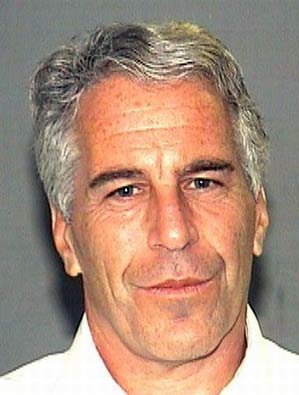 Jeffrey Epstein
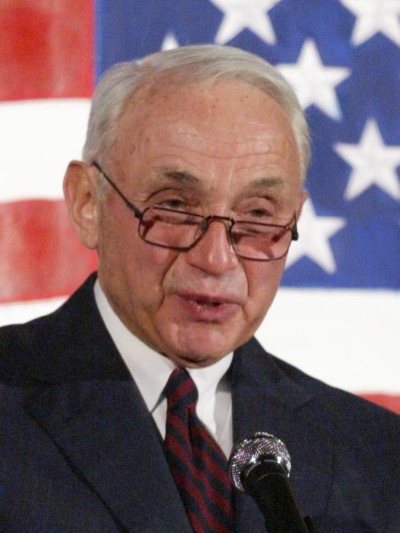 Leslie Wexner