Why Academics Populate Epstein Files: Status Hunger, Not Just Money

Key Takeaways
- ▶ Christopher Marquis, who taught at Harvard, Cornell and Cambridge for over 20 years, says money alone doesn't explain academics' prevalence in Epstein files.
- ▶ Marquis argues university culture breeds 'hunger for status' that Epstein exploited by making scholars feel like celebrities.
- ▶ Epstein, a college dropout, used donations and access to universities to gain legitimacy and respect from high-profile academics.
- ▶ Universities are 'perpetually fundraising' and often avoid asking hard questions about benefactors, according to Marquis.
Academics appear frequently in Jeffrey Epstein’s files not just because of money, but because of what one professor describes as a “hunger for status” embedded in university culture that Epstein successfully exploited.1
Christopher Marquis, who taught at Harvard, Cornell and Cambridge for more than two decades, wrote in The Guardian that the recently released Epstein emails reveal a pattern that financial incentives alone cannot explain.1
“The Jeffrey Epstein story is often told as the intersection of two obsessions: sexual abuse and money,” Marquis wrote. “But after more than two decades as a professor at Harvard, Cornell and Cambridge, I am most struck by the limitation of that frame – in part because it fails to explain why academics show up so consistently in these files.”1
Beyond Money: The Status Factor
Marquis acknowledged that money played a role in Epstein’s university connections. He compared Epstein’s approach to historical examples of wealthy individuals using philanthropy to build their reputations, including Andrew Carnegie’s library donations more than a century ago and Bill Gates’s more recent global health philanthropy.1
Epstein, a college dropout, “clearly craved ‘respect’ from high-profile academics,” Marquis wrote.1
But the professor argued that Epstein tapped into something deeper within academic culture. Universities, he wrote, are “perpetually fundraising” and institutions that rely on donations often avoid asking difficult questions about their benefactors.1
The university ecosystem breeds what Marquis called a “hunger for status.” Epstein exploited this by making scholars feel like celebrities, according to Marquis’s analysis.1
Academic Culture Under Scrutiny
Marquis’s commentary comes as numerous academics have been identified in documents released through court proceedings and federal record releases. The recently released emails contain what Marquis described as “significant evidence” of both money and sexual abuse in Epstein’s university connections.1
The professor’s analysis focuses specifically on the cultural factors within universities that contributed to academics’ connections with Epstein, beyond the financial incentives that have dominated public discussion of the case.1
Epstein donated millions of dollars to various universities and research programs before his 2019 death in federal custody. Recent document releases have shown extensive correspondence between Epstein and professors, scientists and researchers across multiple fields.1
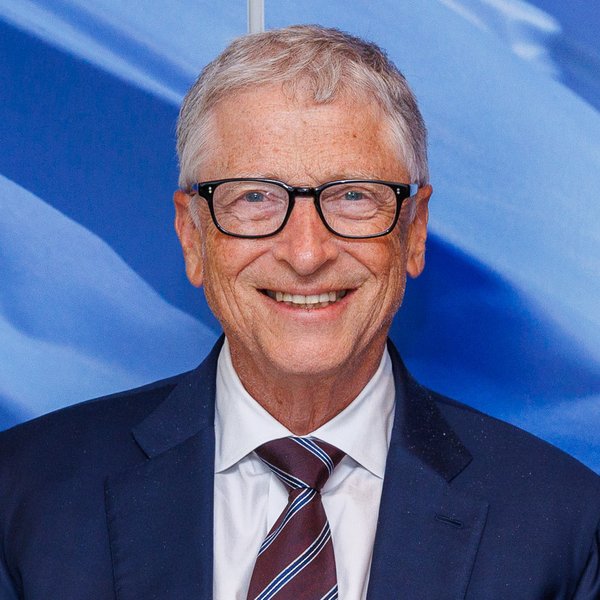 Bill Gates
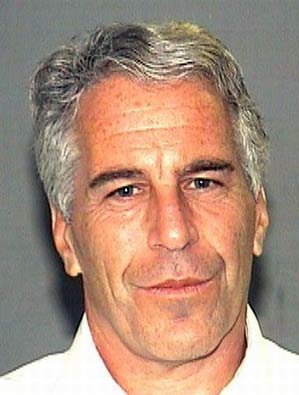 Jeffrey Epstein