New Zealand Calls for Prince Andrew Removal From Royal Succession

Key Takeaways
- ▶ New Zealand's parliament voted to support removing Prince Andrew from the British royal line of succession over his Jeffrey Epstein connections.
- ▶ Andrew Mountbatten-Windsor remains eighth in line to the throne despite losing his military titles and royal patronages in January 2022.
- ▶ Changes to succession require coordinated legislation across all 16 Commonwealth realms where the British monarch serves as head of state.
- ▶ Andrew settled a civil lawsuit with Virginia Giuffre in 2022 after she alleged Epstein and Ghislaine Maxwell trafficked her to him.
New Zealand’s parliament has voted to support removing Prince Andrew from the British royal line of succession, citing his connections to convicted sex offender Jeffrey Epstein, according to BBC News.1
Andrew Mountbatten-Windsor remains eighth in line to the throne despite being stripped of his military titles and royal patronages by Queen Elizabeth II in January 2022.1 He ceased using the style “His Royal Highness” in official capacity, but his succession position remained unchanged under British constitutional law.1
New Zealand’s vote represents a formal call from a Commonwealth realm for the prince’s removal from the line of succession.1 However, the parliamentary motion does not itself change Andrew’s succession position, as such a change would require coordinated action by the UK Parliament and all Commonwealth realm governments.1
Andrew’s Epstein Ties and Legal Settlement
Andrew maintained contact with Epstein after the financier’s 2008 conviction on state charges of soliciting a minor, including a visit to Epstein’s New York mansion in 2010.1
Virginia Giuffre alleged that she was trafficked by Epstein and Ghislaine Maxwell and was forced to have sexual encounters with Andrew when she was 17 years old.1 Andrew has consistently denied the allegations.1
In 2022, Andrew settled a civil lawsuit filed by Giuffre in U.S. federal court.1 The settlement included no admission of liability.1
In the UK, the government has deferred decisions on potential inquiries into Andrew to parliamentary bodies.1
Commonwealth Succession Law
Under the Statute of Westminster 1931 and subsequent agreements, changes to the line of succession require the consent of all Commonwealth realms where the British monarch serves as head of state.1
The 2013 Succession to the Crown Act altered succession rules to end male primogeniture and remove restrictions on heirs marrying Catholics.1 That reform required parallel legislation in all 16 Commonwealth realms.1 New Zealand passed corresponding legislation to implement those changes.1
Removing someone from the line of succession would require primary legislation in the UK Parliament and coordinated action across all Commonwealth realms.1 The last time someone was removed from the succession by act of Parliament was under the Act of Settlement 1701, which barred Catholics and those married to Catholics from inheriting the throne—a provision partially repealed by the 2013 succession reforms.1
Andrew’s position as eighth in line places him behind King Charles III’s direct descendants.1 As younger generations of the royal family have children, Andrew’s position continues to move further from the throne.1
 Ghislaine Maxwell
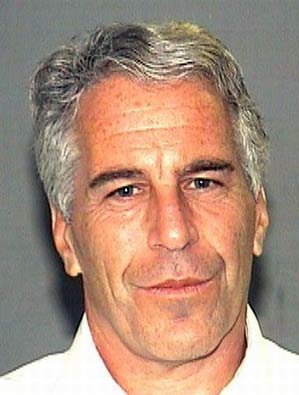 Jeffrey Epstein
 Virginia Giuffre