Carnegie Mellon AI Pioneer's Emails Reveal Years of Epstein Ties

Key Takeaways
- ▶ Pittsburgh Post-Gazette reports emails show an AI pioneer and former Carnegie Mellon administrator maintained yearslong ties to Jeffrey Epstein.
- ▶ The relationship adds to documentation of Epstein's extensive connections within the artificial intelligence and computer science research community.
- ▶ Carnegie Mellon University is a leading research institution known for its pioneering work in artificial intelligence and computer science programs.
- ▶ Epstein cultivated relationships with academics at multiple universities despite his 2008 Florida conviction on state charges of soliciting a minor.
A prominent artificial intelligence researcher and former Carnegie Mellon University administrator maintained yearslong contact with convicted sex offender Jeffrey Epstein, according to emails reported by the Pittsburgh Post-Gazette.1
The Post-Gazette’s reporting documents email correspondence showing the relationship between the AI pioneer and Epstein extended over multiple years.1 The disclosure adds Carnegie Mellon to the list of major research institutions where Epstein cultivated relationships with faculty and administrators.
Carnegie Mellon University, based in Pittsburgh, ranks among the world’s leading research institutions in computer science and artificial intelligence. The university’s School of Computer Science has produced groundbreaking work in machine learning, robotics, and AI systems development.
Epstein’s Academic Network
Epstein frequently positioned himself as a patron of scientific research and maintained relationships with researchers across multiple disciplines. His network extended to faculty and administrators at MIT, Harvard, and other elite institutions.
The financier’s 2008 conviction on Florida state charges of soliciting a minor came during a period when he was actively cultivating academic connections. Despite the conviction, Epstein continued building relationships with researchers and making donations to universities and scientific programs.
Epstein’s connections to the scientific community came under renewed scrutiny following his July 2019 arrest on federal sex trafficking charges. He died in federal custody in August 2019 while awaiting trial.
Multiple universities have since acknowledged accepting donations from Epstein. MIT and Harvard both launched internal reviews of their institutional relationships with the financier and accepted his funding.
Document Release Continues
The Carnegie Mellon disclosure emerges as federal agencies continue processing records under the Jeffrey Epstein Transparency Act. The law, signed in February 2025, requires the Department of Justice, FBI, and other agencies to declassify and release documents related to Epstein’s criminal activities and known associates.
The statute mandates systematic review and public release of materials documenting Epstein’s network of contacts across business, academic, political, and social spheres. Agencies must redact only specific categories of information, including intelligence sources and methods, ongoing criminal investigations, and victim privacy protections.
The Post-Gazette’s reporting provides new documentation of Epstein’s reach into the artificial intelligence research community. Email records show patterns of sustained contact between Epstein and figures in academic technology circles.
Epstein’s longtime associate Ghislaine Maxwell was convicted in December 2021 on federal charges of sex trafficking minors. She is serving a 20-year prison sentence. Federal prosecutors have continued examining potential criminal conduct by others in Epstein’s network.
The Pittsburgh Post-Gazette obtained the emails documenting the Carnegie Mellon administrator’s correspondence with Epstein.1 Universities nationwide face continued pressure to disclose the full extent of institutional and individual faculty connections to Epstein and to account for any donations accepted from him.
 Ghislaine Maxwell
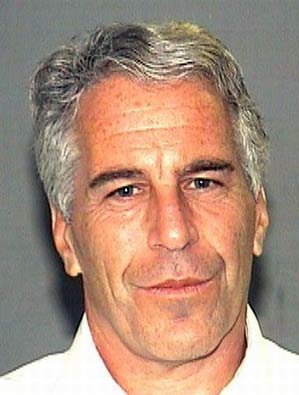 Jeffrey Epstein