UCLA Professor Announces Retirement After Epstein Communications Revealed
Key Takeaways
- ▶ UCLA associate adjunct professor of neurology Mark Tramo announced his retirement effective June and canceled his spring quarter class.
- ▶ Documents revealed Tramo exchanged emails with Epstein semi-regularly from 2010 until Epstein's death in 2019.
- ▶ The departure adds to a growing list of academics facing consequences after their names appeared in Epstein-related files.
- ▶ UCLA has not disclosed whether it initiated any review of Tramo's conduct prior to his retirement announcement.
A UCLA associate adjunct professor of neurology announced his retirement and canceled his spring quarter class after documents released under the Epstein Files Transparency Act revealed years of email communications with convicted sex offender Jeffrey Epstein.1
Mark Tramo, who held an adjunct position in UCLA’s Department of Neurology, informed the university that he would retire in June, according to the Daily Bruin, UCLA’s student newspaper.1 He also canceled a class he had been scheduled to teach during the spring 2026 quarter.
The released documents show Tramo exchanged emails with Epstein on a semi-regular basis beginning in 2010 and continuing until Epstein’s death by suicide in a Manhattan federal jail in August 2019.1 The communications spanned nearly a decade, all of which occurred after Epstein’s 2008 sex offense conviction in Florida.
Nature of the Communications
The specific content of the emails between Tramo and Epstein has not been fully disclosed. Documents released under the transparency act indicated a pattern of ongoing correspondence, though the precise subjects discussed were not detailed in the initial reporting.1
Epstein cultivated relationships with scientists and academics across multiple disciplines, often providing research funding or facilitating introductions to wealthy donors. His contacts included researchers at Harvard, MIT, and other major institutions, many of whom have faced scrutiny as files have been released.
Tramo’s field of neurology aligned with Epstein’s documented interest in brain science and consciousness research. Epstein hosted scientific gatherings at his properties and funded research initiatives through his foundation, which continued operating after his conviction.2
Inside Higher Ed reported that Tramo’s departure was part of a broader pattern of academic figures stepping down or facing institutional review after their names surfaced in the Epstein files.2
University Response
UCLA has not publicly commented on whether it initiated any formal review of Tramo’s conduct or his relationship with Epstein prior to the retirement announcement.1 The university’s policies regarding faculty associations with convicted individuals and the acceptance of tainted research funding have come under broader scrutiny in recent months.
As an associate adjunct professor, Tramo held a non-tenure-track position. The distinction is significant because adjunct faculty typically have fewer procedural protections than tenured professors, potentially simplifying any institutional response to the disclosures.
The Daily Bruin reported that students enrolled in Tramo’s canceled spring quarter course were notified and directed to alternative sections.1
Academic Fallout Widens
Tramo’s retirement adds to a growing list of departures and institutional actions across American universities in the wake of the Epstein files. In recent weeks, academics at institutions including Chapman University have faced consequences after their connections to Epstein were documented in released files.
The pattern has prompted calls from faculty governance bodies at several universities for clearer policies on donor vetting and disclosure requirements for faculty members who receive external funding or maintain relationships with individuals under criminal investigation or conviction.2
The Epstein Files Transparency Act has now led to the release of tens of thousands of pages of documents from the FBI, the Department of Justice, and other federal agencies. The files have identified hundreds of individuals who had contact with Epstein, ranging from brief social encounters to sustained professional and financial relationships.
Tramo did not respond to requests for comment from the Daily Bruin.1
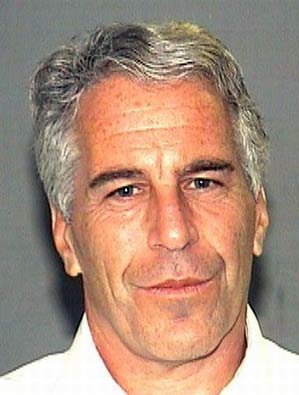 Jeffrey Epstein