Epstein Survivors Have Mixed Feelings on Melania Trump's Hearing Call
Key Takeaways
- ▶ More than 15 Epstein survivors released a joint statement saying Melania Trump was shifting the burden onto survivors under politicized conditions.
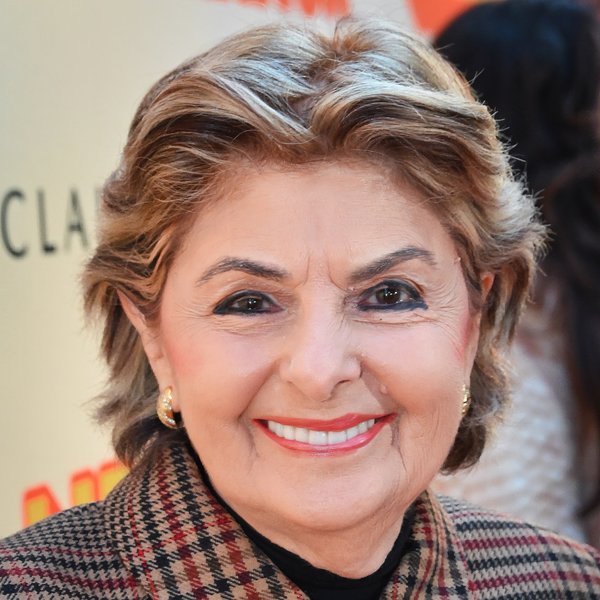
- ▶ Attorney Gloria Allred, who represents 27 survivors, said she welcomed the hearing call but that survivors should not be subpoenaed.
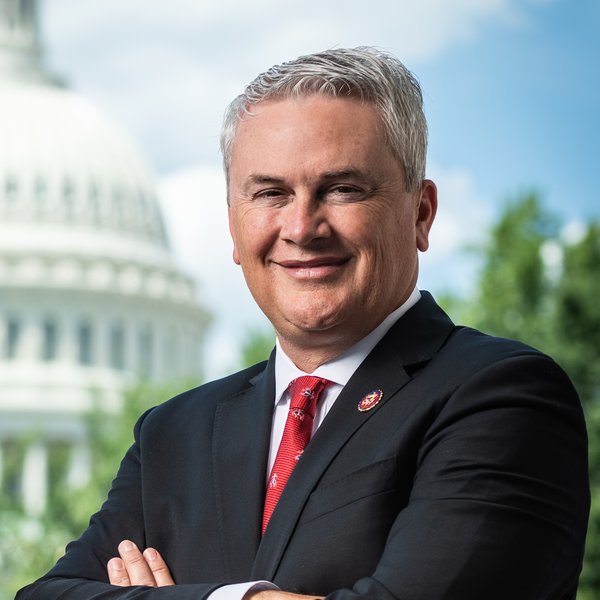
- ▶ House Oversight Chairman James Comer (R-KY) said the committee will hold hearings but offered no concrete date.
- ▶ Survivors expressed concern that public hearings could retraumatize victims without producing accountability.
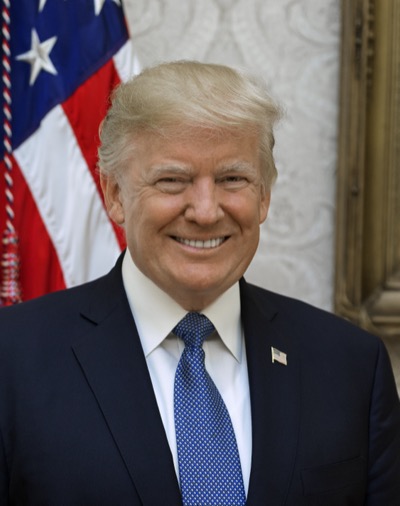
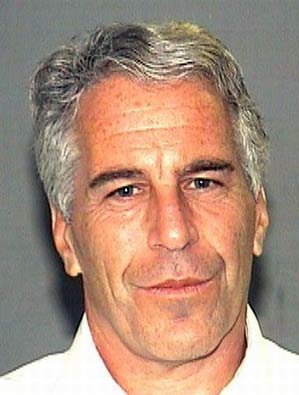
More than 15 survivors of Jeffrey Epstein’s sex trafficking operation released a joint statement on April 10 responding to first lady Melania Trump’s call for public congressional hearings, saying she was “shifting the burden onto survivors under politicized conditions.”1
The statement, coordinated through multiple survivors’ advocacy organizations, reflected deep ambivalence about the prospect of public hearings even among those who have long demanded greater transparency and accountability.
Survivors Question Motivations
The joint statement acknowledged that public hearings could serve the cause of transparency but expressed concern that the political environment surrounding the Epstein files had made the process unsafe for survivors. The signatories wrote that any hearings must be structured to protect the identities and well-being of victims rather than serve as political theater.1
The survivors noted that many of them had already provided testimony to law enforcement, grand juries, or civil litigation proceedings, and that asking them to relive their experiences in a congressional hearing carried significant psychological costs.
Attorney Gloria Allred, who represents 27 Epstein survivors, offered a more measured response. In an interview with CBS News, Allred said she was glad that the first lady had spoken publicly about the need for hearings and that she supported the concept in principle.2
However, Allred drew a firm line on one point: survivors should not be compelled to testify. “I support hearings. I do not support subpoenaing survivors,” she told CBS News. “These women have been through enough. Their participation must be voluntary, and their safety must be the committee’s first priority.”2
Comer Says Hearings Will Happen
House Oversight Committee Chairman James Comer (R-KY) responded to the first lady’s statement by telling reporters that the committee would hold hearings on the Epstein files.1
“We will have hearings,” Comer said, though he did not provide a specific date or outline the scope of the proceedings. As of April 10, no formal hearing had been scheduled, and committee staff had not issued invitations or subpoenas to potential witnesses.
The lack of a concrete timeline frustrated some advocacy groups, which noted that similar promises had been made in previous months without follow-through. The committee has been consumed by the standoff over former Attorney General Pam Bondi’s refusal to comply with a subpoena for her own testimony.
Balancing Transparency and Protection
The debate over hearings has exposed a tension at the heart of the Epstein files saga: the public’s demand for full transparency can conflict with survivors’ need for privacy and protection. The DOJ’s release of documents that inadvertently identified victims has already prompted a class action lawsuit by approximately 100 survivors whose personal information was made public.
Survivors’ attorneys have called on Congress to establish clear protocols for any hearings, including closed sessions for sensitive testimony, restrictions on the use of victims’ real names, and psychological support services for participants.
NPR reported that several members of both parties have expressed support for a hybrid hearing format that would include both public and closed sessions, though no formal proposal has been introduced.1
 Gloria Allred
 James Comer
 Jeffrey Epstein
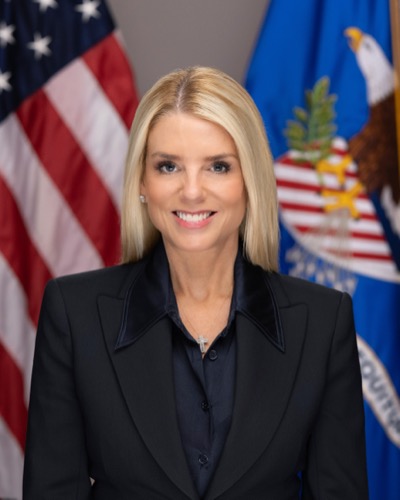 Pam Bondi