Labour Routed in Local Elections as Mandelson-Epstein Scandal Weighs on Starmer
Key Takeaways
- ▶ In the May 6, 2026 local elections, Labour lost more than 1,100 of the council seats it was defending.
- ▶ Reform UK gained more than 1,400 seats; the Greens and Liberal Democrats also gained, while Conservatives lost over 500.
- ▶ Some Labour MPs called on Keir Starmer to resign; he refused, calling the results 'really tough.'
- ▶ The vote followed months of damage from Starmer's appointment of Epstein associate Peter Mandelson as ambassador to Washington.
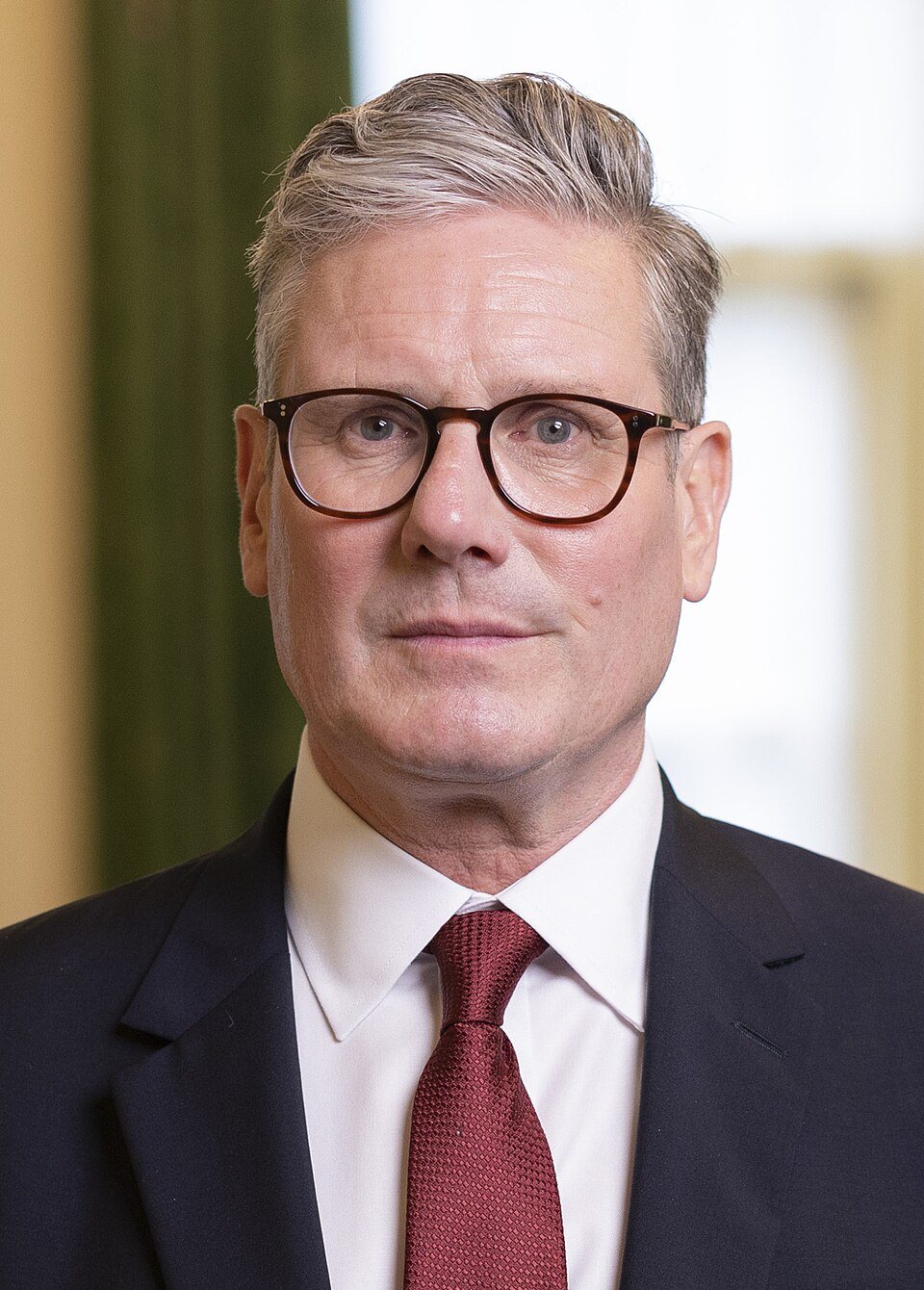
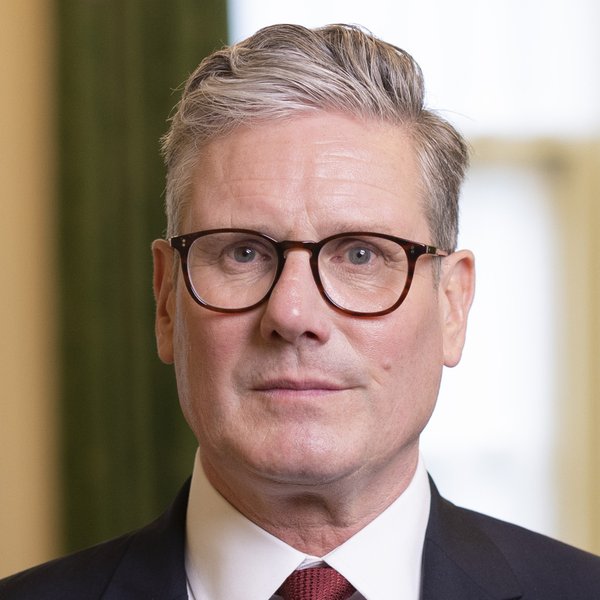
British Prime Minister Keir Starmer suffered a punishing defeat in local elections held on May 6, 2026, with his Labour Party shedding more than 1,100 of the council seats it had been defending in a vote widely interpreted as a referendum on a premiership weakened, in part, by the fallout from the Jeffrey Epstein scandal.1
Across roughly 5,000 seats in 136 council contests, Labour won just over 1,000 — well short of what it held going in. The right-wing populist Reform UK party gained more than 1,400 seats, the Green Party gained more than 300, and the Liberal Democrats more than 150, while the Conservatives lost over 500.1
A Map Redrawn
Reform UK’s advance was geographically broad, with the party taking control of Essex county council, the London borough of Havering — its first London authority — and the northern city of Sunderland. The Greens, meanwhile, captured London councils that had long been Labour strongholds, including Hackney and Lambeth. In Wales, Labour’s vote collapsed and Plaid Cymru won the most seats.1
Reform leader Nigel Farage cast the results as a realignment, writing that they signalled the “end of the old establishment’s two-party system.”1
Calls to Resign
The scale of the losses triggered open dissent within Labour. Clive Lewis, the MP for Norwich South, said bluntly: “The Prime Minister needs to go. That is not negotiable.” Other Labour MPs echoed the call.1
Starmer refused to step down. “Let me be clear, these are really tough results, I’m not going to sugar-coat it,” he said, but added that he was “not going to walk away” and “plunge the country into chaos,” casting his government as a “10-year project of renewal.”1
The Epstein Thread
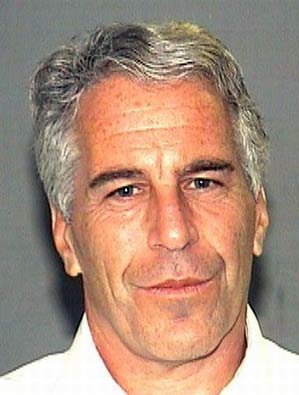
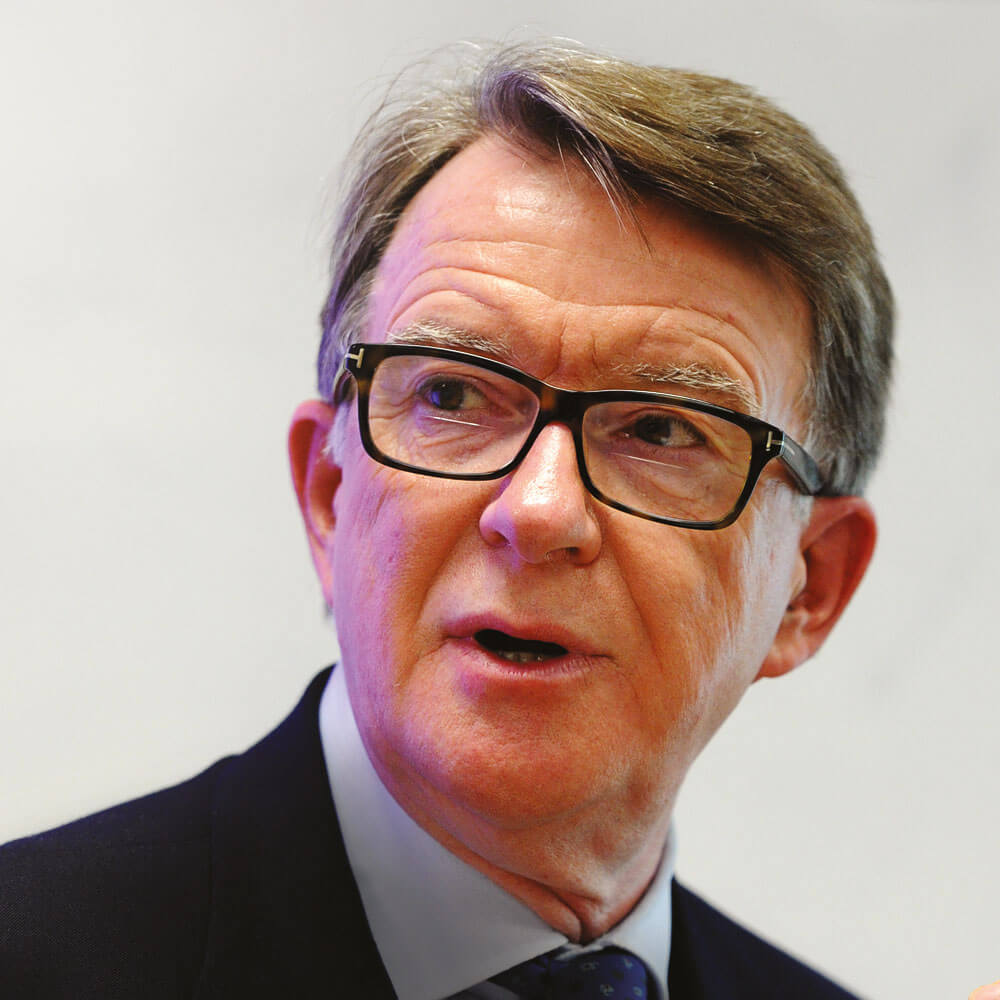
The elections were not fought on the Epstein scandal alone — economic discontent and a broader collapse in support for the two main parties drove much of the result. But the contest unfolded against a backdrop of months of damage tied to the case. Starmer had been “further hurt by his disastrous decision to appoint Peter Mandelson, a scandal-tarnished friend of Jeffrey Epstein, as Britain’s ambassador to Washington,” and faced “backlash over his appointment of an ambassador with ties to Jeffrey Epstein,” according to reporting on the vote.12
Mandelson was dismissed in 2025 as Epstein files were released, and Starmer later told the Commons that the Foreign Office had withheld the security-vetting concerns that should have blocked the appointment. The prime minister had survived an earlier crisis over the matter in February, when some of his own lawmakers urged him to quit.
What Comes Next
Starmer’s refusal to resign does not end the threat to his leadership. Before the vote, analysts and Labour figures had pointed to a poor result as a potential trigger for a challenge from a higher-profile rival such as Health Secretary Wes Streeting, former Deputy Prime Minister Angela Rayner, or Greater Manchester Mayor Andy Burnham. Farage had predicted that a strong Reform showing would leave Starmer “gone by the middle of summer.”2
For now, the prime minister has absorbed the loss and stayed in place — but the Epstein-Mandelson affair that helped erode his standing remains an open wound for his government.
 Jeffrey Epstein
 Keir Starmer
 Peter Mandelson