Epstein Secret Storage Units Across US Contain Unreleased Evidence
Key Takeaways
- ▶ Jeffrey Epstein maintained secret storage units across the United States that may contain previously unreleased evidence, the New York Post reported.
- ▶ The storage facilities' locations and contents have not been publicly disclosed, according to the report.
- ▶ The discovery adds to materials already seized from Epstein's properties following his July 2019 arrest on sex trafficking charges.
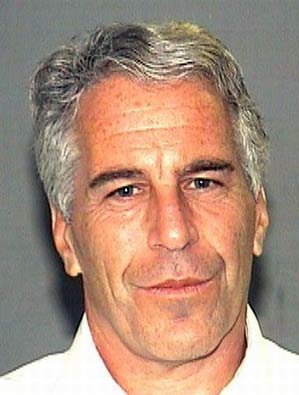
Jeffrey Epstein maintained secret storage units across the United States that may contain previously unreleased evidence, the New York Post reported.1
The storage facilities were spread across multiple locations, though the report did not specify where they are located or what materials they contain.1 The existence of these units raises questions about what documentation Epstein preserved outside his known residences and whether authorities have accessed them.
Storage units provide private facilities where individuals can keep materials outside their homes and offices. Unlike residences, which are typically searched during criminal investigations, storage facilities rented under different names or business entities can be more difficult for investigators to identify and access.
Materials Seized From Epstein Properties
Law enforcement officials who executed a search warrant at Epstein’s Manhattan townhouse in July 2019 discovered extensive materials, including photographs, CDs, and other items. That raid occurred after Epstein’s arrest on federal sex trafficking charges.
Epstein owned multiple properties where he could have stored materials, including homes in Manhattan, Palm Beach, New Mexico, Paris, and a private island in the U.S. Virgin Islands. Federal investigators also searched his private island and New Mexico ranch following his arrest.
The financier died in federal custody at the Metropolitan Correctional Center in New York on August 10, 2019. His death was ruled a suicide by hanging. He had been awaiting trial on charges of sex trafficking of minors.
Ghislaine Maxwell, Epstein’s longtime associate, was convicted in December 2021 on charges including sex trafficking of minors and conspiracy. She is currently serving a 20-year federal prison sentence. Her trial revealed details about Epstein’s extensive record-keeping and documentation practices.
Document Access Under Transparency Act
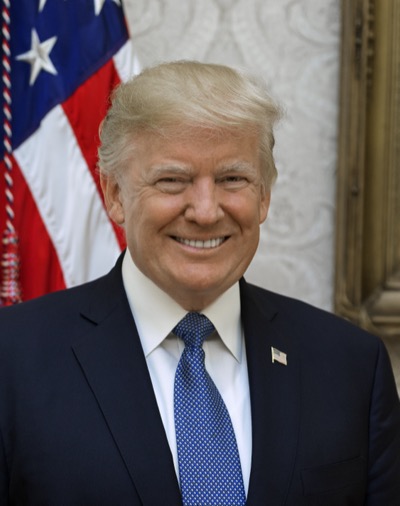
The Epstein Transparency Act, which President Trump signed into law in January 2026, requires federal agencies to review and release documents related to Epstein and his associates. The FBI has begun reviewing Epstein-related records under the new law.
The law mandates that agencies identify, review, and publicly release records related to Epstein’s activities and network. Federal agencies have begun processing thousands of pages of documents for potential release.
Storage units rented by Epstein would fall under investigative authority if they contain materials relevant to criminal investigations or civil litigation related to his activities. Victims of Epstein’s trafficking have sought access to his records to identify other perpetrators and corroborate their accounts.
Epstein’s estate has been settling claims with victims through a compensation fund. Estate administrators have worked to identify and catalog his assets and holdings. The discovery of additional storage locations would add to the inventory of materials that may need to be reviewed as part of ongoing legal proceedings.
The Post’s report did not indicate whether law enforcement officials have accessed the storage units or whether they remain sealed.1
 Donald Trump
 Ghislaine Maxwell
 Jeffrey Epstein