FBI Begins Review of Epstein-Related Records Under New Law

Key Takeaways
- ▶ The FBI began cataloging Epstein-related records across its holdings, as mandated by the Epstein Transparency Act signed November 19, 2025.
- ▶ The review covers records from all FBI field offices, including the Southern District of New York, Palm Beach, and the U.S. Virgin Islands.
- ▶ Agencies must complete initial records transfers to the National Archives within 180 days of the Act's enactment.
- ▶ The FBI is one of multiple federal agencies complying with the law, alongside the DOJ, CIA, IRS, and State Department.
The Federal Bureau of Investigation has begun its internal review of records related to Jeffrey Epstein, as required by the Epstein Transparency Act signed into law on November 19, 2025.1 The agency confirmed that it is identifying and cataloging relevant documents across its holdings, including files from FBI field offices in the Southern District of New York, Palm Beach, Florida, and the U.S. Virgin Islands — the three primary jurisdictions where Epstein faced investigation.1
The Act requires federal agencies to complete initial records transfers to the National Archives within 180 days of enactment, placing the deadline in mid-May 2026.1 The FBI’s review covers decades of investigative material, including surveillance records, witness interviews, financial transaction reports, and communications intercepts.
Scope of the Review
The FBI’s Epstein-related holdings are among the largest of any federal agency, according to Reuters.1 The Bureau investigated Epstein multiple times: a 2006 Palm Beach investigation that led to a plea deal negotiated by then-U.S. Attorney Alexander Acosta, a 2019 Southern District of New York investigation that resulted in federal sex trafficking charges, and intelligence-related assessments connected to Epstein’s international activities.
The review process is expected to take several months, with initial batches of records potentially becoming available by spring 2026.1 The FBI joins other federal agencies — including the Department of Justice, CIA, IRS, and State Department — in complying with the law’s mandate to collect and prepare records for public release.
Transparency Advocates Push for Speed
Transparency advocates have called for the process to move quickly, noting that public interest in the case remains strong. Courtney Wild, one of Epstein’s earliest identified victims, stated that the FBI has “had these records for years” and that the review process should not serve as a delay tactic.1
The Act includes provisions for an independent review board to evaluate records that agencies seek to withhold, with a presumption of disclosure.1 Any exemptions must be justified under specific legal criteria, not blanket national security or privacy claims.
 Alexander Acosta
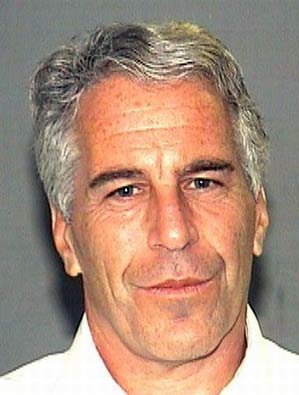 Jeffrey Epstein