Guardian: US Could Learn From UK on Holding Elites Accountable
Key Takeaways
- ▶ Guardian columnist Jan-Werner Müller wrote on March 3, 2026, that UK institutions impose accountability on elites while US maintains 'elite impunity.'
- ▶ Müller cited Prince Andrew and Lord Mandelson facing 'shame sanctions and legal consequences' in UK following Epstein-related arrests.
- ▶ Commentary described British institutions keeping politicians 'in check' while 'shamelessness has become contagious' in the United States.
- ▶ Müller referenced what he termed the 'Epstein class' when describing rampant elite impunity in the US.
A Guardian commentary published March 3, 2026, argued that British institutions are holding elites accountable in the Epstein case while the United States maintains what the author called “elite impunity.”1
Jan-Werner Müller, writing in The Guardian, pointed to recent arrests of high-profile British figures as evidence that “British institutions can keep politicians somewhat in check,” while in the US, “shamelessness has become contagious.”1
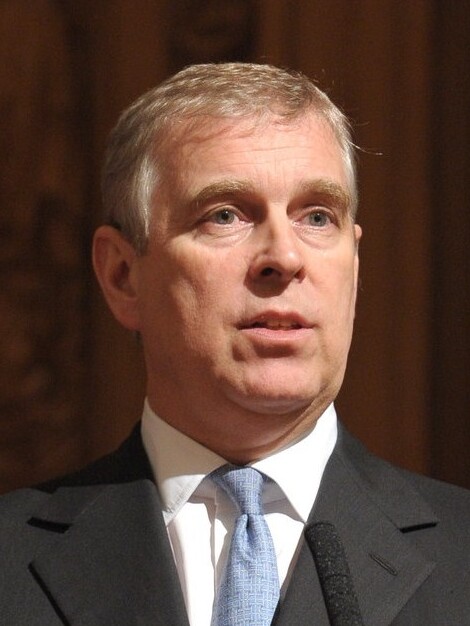
Müller specifically cited Prince Andrew facing “shame sanctions and legal consequences” following his February 2026 arrest on document-sharing charges related to the Epstein case.1 He also referenced Lord Mandelson, whom he described as “a towering member of the British establishment,” as facing similar consequences after his arrest on misconduct charges in the Epstein inquiry.1
The commentary framed the comparison as a lesson in accountability, stating it is “both sad and ironic that, 250 years after the revolt against George III, the British monarchy is teaching its former colony lessons about accountability.”1
US Accountability Gap
Müller described “elite impunity” as “rampant” in the US, referencing what he termed the “Epstein class.”1 The commentary noted a president “who conspired to steal an election” alongside the lack of consequences for those connected to Epstein.1
The Guardian piece distinguished between legal accountability and social sanctions, noting that “being shamed is not the same as being convicted in a court of law,” but argued both “can be crucial for upholding norms of decency as well as democracy.”1
In the United States, no associates of Epstein have faced federal sex trafficking charges related to the case, despite a Wall Street Journal report that the Department of Justice examined multiple associates for potential prosecution.
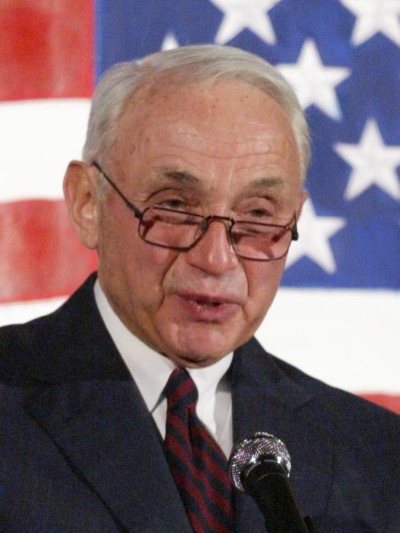
Congressional committees have issued subpoenas to individuals including Les Wexner and others as part of ongoing Epstein-related investigations, though no criminal charges against US-based associates have resulted from these inquiries.
UK Actions
Prince Andrew was arrested in February 2026 on charges related to sharing documents in the Epstein case. Lord Mandelson, the former UK ambassador to the United States, was arrested days later on misconduct charges connected to the Epstein investigation.
Both arrests followed the release of millions of pages of Epstein-related documents by the US Department of Justice under the Epstein Transparency Act, which revealed extensive communications between Epstein and prominent figures in both countries.
Ghislaine Maxwell, Epstein’s longtime associate, was convicted in December 2021 on federal charges of sex trafficking minors and is serving a 20-year prison sentence. Epstein died by suicide in August 2019 in a Manhattan jail cell while awaiting trial on federal sex trafficking charges. He had been convicted in 2008 in Florida on state charges of soliciting a minor.
 Ghislaine Maxwell
 Leslie Wexner
 Peter Mandelson
 Prince Andrew