Steven Sinofsky's Undisclosed Epstein Ties From Microsoft Days
Key Takeaways
- ▶ Steven Sinofsky, board partner at Andreessen Horowitz, had business dealings with Jeffrey Epstein during his Microsoft tenure, Fortune reported.
- ▶ Sinofsky served as president of Microsoft's Windows Division for over two decades before joining a16z in 2013.
- ▶ Fortune characterized the dealings as 'murky' but did not disclose specific details of the interactions.
- ▶ Epstein died in August 2019 while awaiting federal sex trafficking charges after a 2008 conviction for soliciting a minor.
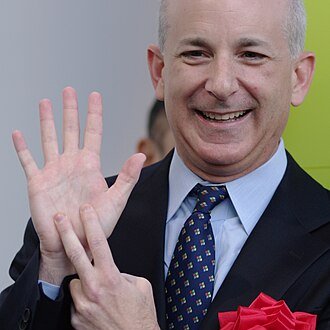
A senior executive at venture capital firm Andreessen Horowitz had business dealings with convicted sex offender Jeffrey Epstein during his tenure at Microsoft, Fortune reported.1
Steven Sinofsky, who now serves as a board partner at a16z, had contact with Epstein while working as a Microsoft executive, according to Fortune.1 The publication characterized these dealings as “murky,” though it did not disclose specific details of the interactions.1
Sinofsky spent more than two decades at Microsoft, where he rose to become president of the Windows Division before departing the company in 2012.1 During his Microsoft career, he oversaw the development and release of multiple Windows versions, including Windows 7 and Windows 8. He joined Andreessen Horowitz in 2013 as a board partner, a role he continues to hold.1
Epstein’s Technology Sector Network
The Fortune report adds Sinofsky to the growing list of technology executives and investors known to have had contact with Epstein. The financier cultivated relationships with numerous figures in Silicon Valley and the broader tech industry, often positioning himself as a patron of scientific research and innovation.
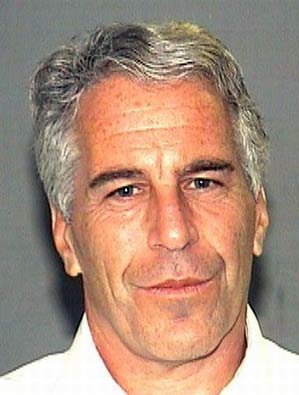
Epstein died in a Manhattan jail cell in August 2019 while awaiting trial on federal sex trafficking charges.1 Federal prosecutors had charged him with operating a sex trafficking ring involving dozens of underage girls at his residences in New York and Florida.
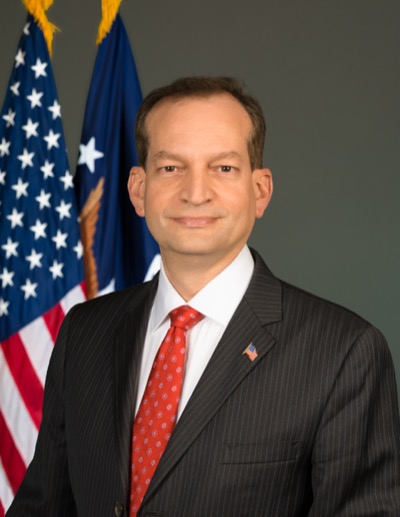
He had previously been convicted in 2008 on state charges of soliciting a minor in Florida.1 That case resulted in a controversial non-prosecution agreement that allowed him to serve just 13 months in a county jail with work release privileges, a deal that later drew widespread criticism and led to the resignation of then-Labor Secretary Alexander Acosta, who had approved the agreement as a federal prosecutor.
Ongoing Scrutiny
The extent of Epstein’s business and social networks has remained a subject of public interest as investigators and journalists continue to examine his financial dealings and the identities of those in his circle. Multiple technology executives and academics have faced scrutiny over their connections to Epstein in recent years, with some institutions returning donations linked to him.
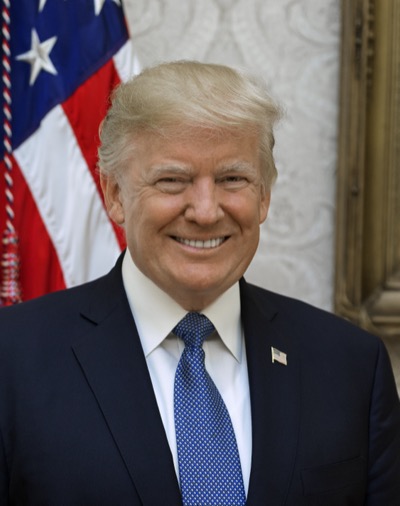
The revelation comes as federal authorities face continued pressure to release additional documents related to Epstein’s activities. The Epstein Transparency Act, which President Trump signed into law in January 2026, passed Congress with overwhelming bipartisan support and requires the release of government files related to the case.
 Alexander Acosta
 Donald Trump
 Jeffrey Epstein