Epstein Accountant Richard Kahn Denies Knowledge of Red Flags
Key Takeaways
- ▶ Richard Kahn, Jeffrey Epstein's former accountant, told House Oversight Committee he saw no warning signs while managing the financier's affairs.
- ▶ Kahn's testimony comes as Congress examines how Epstein maintained his financial empire while committing crimes against minors for decades.
- ▶ Epstein pleaded guilty in 2008 to state charges of soliciting a minor, served 13 months, then continued business operations until his 2019 arrest.
- ▶ Federal prosecutors arrested Epstein again in July 2019 on sex trafficking charges; he died by suicide in jail while awaiting trial.
- ▶ The Epstein Transparency Act, signed into law earlier this year, requires federal agencies to review and release documents related to Epstein's network.
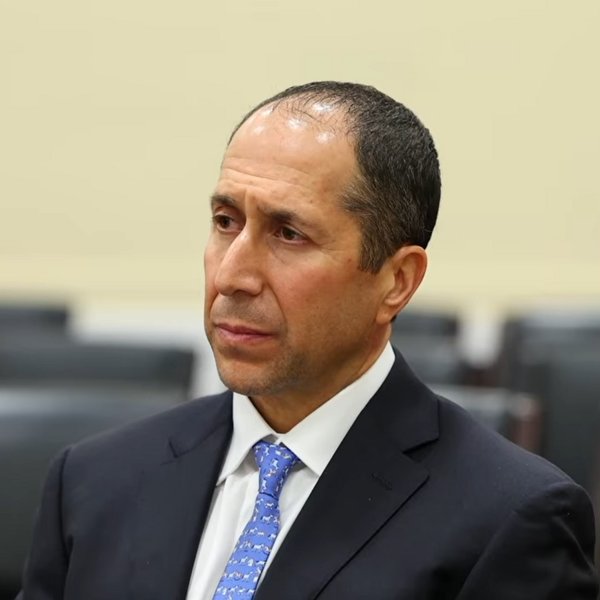
Richard Kahn, Jeffrey Epstein’s former accountant, testified before the House Oversight Committee this week, claiming he observed no warning signs during his years managing the finances of the convicted sex offender, according to Reality Tea.1 Kahn’s testimony comes as federal investigators continue examining Epstein’s financial network and the individuals who facilitated his operations.
During his appearance before the committee, Kahn stated he saw no “red flags” while working for Epstein, whose wealth and business dealings have remained under scrutiny since his 2019 arrest on federal sex trafficking charges, according to Reality Tea.1
Epstein’s Financial Operations Under Investigation
Kahn’s testimony represents a significant development in ongoing congressional efforts to understand how Epstein maintained his financial empire while committing crimes against minors over multiple decades. His 2008 conviction on state charges of soliciting a minor in Florida came after years of alleged abuse, yet his business operations continued largely uninterrupted.
The House Oversight Committee has been examining various aspects of Epstein’s network, including the accountants, lawyers, and associates who managed his day-to-day affairs. Kahn testified before House Oversight as part of broader congressional efforts to examine how Epstein operated for years without facing serious legal consequences.
Background on Epstein’s 2008 Conviction
Epstein pleaded guilty in 2008 to state charges of soliciting a minor and served approximately 13 months in a county jail under a controversial work-release arrangement. Despite this conviction, he maintained his business interests and continued to associate with prominent figures in business, politics, and academia.
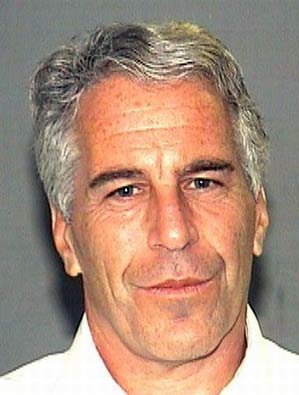
Federal prosecutors in New York arrested Epstein again in July 2019 on charges of sex trafficking of minors. He died by suicide in his Manhattan jail cell in August 2019 while awaiting trial. His longtime associate Ghislaine Maxwell was subsequently convicted in December 2021 on federal charges related to recruiting and grooming underage girls for Epstein to abuse.
The circumstances surrounding Epstein’s wealth and the sources of his income have long been subjects of speculation and investigation. Unlike many wealthy individuals, Epstein left little public record of his business dealings, making the testimony of those who worked closely with him particularly valuable to investigators.
Congressional Document Requests
The Epstein Transparency Act, signed into law earlier this year, requires federal agencies to review and release documents related to Epstein and his associates. Financial records could provide crucial evidence about payments to victims, property transactions, and the movement of funds that facilitated abuse.
Kahn’s role in managing Epstein’s finances makes his testimony relevant to understanding how the financier’s operations functioned and whether professionals in his orbit had knowledge of criminal activity. The House Oversight Committee has not yet announced whether additional witnesses from Epstein’s professional network will be called to testify.
 Ghislaine Maxwell
 Jeffrey Epstein