Epstein Accountant Richard Kahn Testifies Before House Oversight
Key Takeaways
- ▶ Richard Kahn, Jeffrey Epstein's longtime accountant, testified before House Oversight Committee in a closed-door session, NBC News reported.
- ▶ The testimony is part of ongoing congressional investigations into Epstein's financial network and associates.
- ▶ Kahn managed Epstein's finances for years and had access to the financier's business dealings and asset structure.
- ▶ House Oversight Committee has authority to investigate federal agencies and matters of public concern, including the Epstein case.
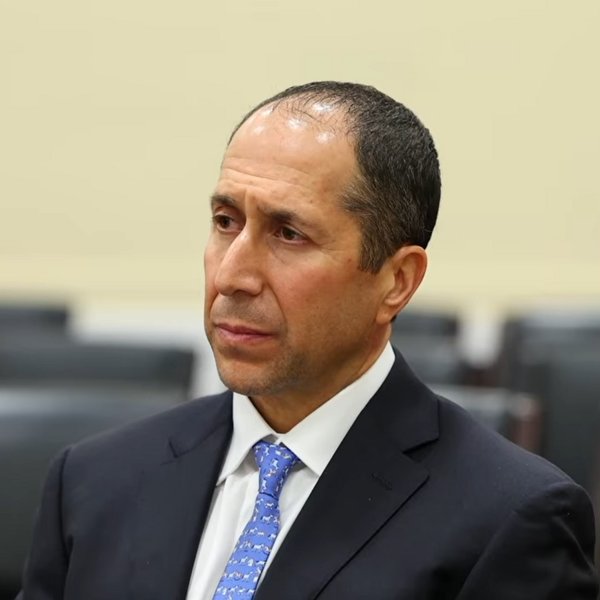
Richard Kahn, Jeffrey Epstein’s longtime accountant, testified before the House Oversight Committee in a closed-door session, NBC News reported.1
The testimony represents part of congressional efforts to investigate Epstein’s financial network and associates. Kahn managed Epstein’s finances for years and had direct access to the financier’s business dealings and asset holdings.1
Closed-Door Testimony Format
The committee conducted the interview behind closed doors rather than in a public hearing.1 Congressional committees frequently use private sessions for testimony involving financial records, sensitive information, or ongoing investigations. Closed-door transcribed interviews allow committee members and staff attorneys to ask detailed questions without public or media presence.
The committee has not announced whether it plans to release a transcript of Kahn’s testimony or hold subsequent public hearings. House rules generally allow committees to vote on releasing transcripts of closed-door depositions, though they may withhold portions involving classified information or ongoing law enforcement matters.
Kahn’s Access to Epstein’s Financial Records
As Epstein’s accountant, Kahn would have maintained records of financial transactions, business entities, property holdings, and payments flowing through Epstein’s accounts. Accountants in such roles typically track income sources, manage tax filings, structure business entities, and document asset transfers.
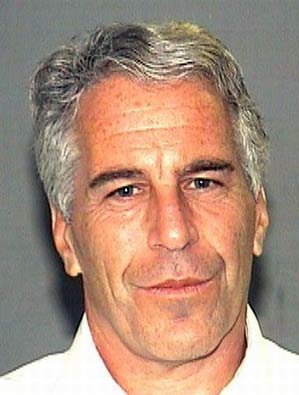
Epstein was convicted in 2008 on state charges of soliciting a minor and served 13 months in a county jail under a work-release arrangement. He was arrested again in July 2019 on federal sex trafficking charges and died in his Manhattan jail cell in August 2019 while awaiting trial.1
Congressional Oversight Authority
The House Oversight Committee has broad jurisdiction over federal agencies and can investigate matters of public concern. The committee can issue subpoenas to compel testimony and document production from private individuals with information relevant to its investigations.
Congressional interest in Epstein’s financial records intensified following passage of the Epstein Transparency Act, which requires federal agencies to declassify and release documents related to Epstein’s case. The FBI has begun reviewing Epstein-related records under the law, which was signed in January 2025.
The legislation mandates release of government files concerning Epstein’s activities, his associates, and the handling of his criminal cases. Financial records have been central to understanding the scope of Epstein’s network and identifying potential witnesses or co-conspirators.
Kahn’s testimony could provide the committee with information about Epstein’s financial transactions, business relationships, and asset structures. Congressional investigators often use accountant testimony to trace money flows and establish timelines of financial activity.
 Jeffrey Epstein