House Democrats Demand DOJ Take Five Steps on Epstein Transparency
Key Takeaways
- ▶ Reps. Pramila Jayapal, Jamie Raskin, and Robert Garcia sent a letter to AG Pam Bondi with five specific demands on Epstein file transparency.
- ▶ The lawmakers accused the DOJ's document review system of violating the Epstein Files Transparency Act.
- ▶ Demands included establishing a new process for congressional review of unredacted files.
- ▶ The letter cited excessive redactions and the withholding of millions of pages as evidence of noncompliance.
Three senior House Democrats sent a letter to Attorney General Pam Bondi on March 23 outlining five demands to overhaul the Department of Justice’s handling of Epstein-related documents, accusing the agency of systematically violating the Epstein Files Transparency Act.1
Reps. Pramila Jayapal (D-WA), Jamie Raskin (D-MD), and Robert Garcia (D-CA) wrote that the DOJ’s current review process has failed to meet the law’s requirements for timely and complete disclosure of records related to Jeffrey Epstein and his associates.1
The Five Demands
The letter laid out five specific actions the lawmakers said the DOJ must take immediately.1
First, the lawmakers demanded the DOJ establish a new, transparent process for congressional review of unredacted files. Current procedures require members of Congress to view documents in a secure reading room with severe restrictions on note-taking, which the Democrats said effectively prevents meaningful oversight.
Second, they called for the DOJ to provide a complete accounting of all Epstein-related documents in its possession, including a breakdown of how many remain classified, redacted, or withheld, and the legal basis for each withholding.
Third, the letter demanded the DOJ stop applying overbroad redactions to documents that have already been cleared for release. The lawmakers cited specific examples where entire pages were blacked out despite containing no apparent national security or law enforcement sensitive information.
Fourth, they asked the DOJ to appoint an independent monitor to oversee compliance with the transparency act, arguing that the department cannot credibly police its own adherence to the law.
Fifth, the Democrats demanded regular public progress reports on the document release process, including timelines for the release of remaining materials.1
Accusations of Noncompliance
The letter accused the DOJ of treating the transparency act as optional rather than mandatory. 1
Jayapal, who serves as ranking member of the House Judiciary Subcommittee on Immigration Integrity, Security, and Enforcement, said in a separate statement that the DOJ’s approach has undermined public confidence in the government’s willingness to hold powerful individuals accountable.
Raskin, the ranking member of the full Judiciary Committee, has been among the most vocal critics of the DOJ’s Epstein file handling. He has previously accused the department of protecting politically connected associates of Epstein at the expense of survivors and public accountability.
The DOJ did not immediately respond to the letter. Bondi has previously said her office is committed to full compliance with the transparency act while protecting the rights of victims and the integrity of ongoing investigations.
The demands come amid a broader congressional push to accelerate the release of Epstein-related records, including a bipartisan subpoena for Bondi’s sworn testimony before the House Oversight Committee.
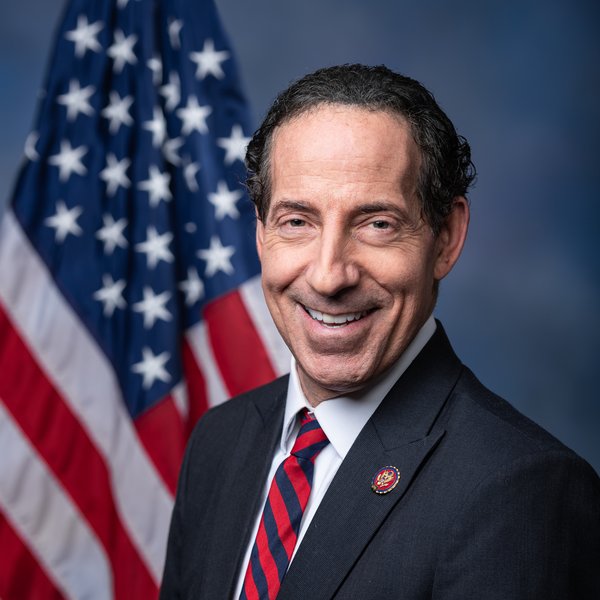 Jamie Raskin
 Pam Bondi
 Pramila Jayapal
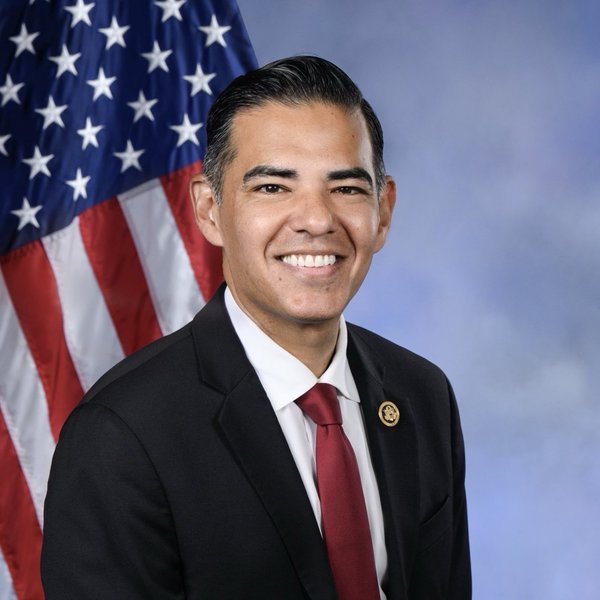 Robert Garcia