NPR Investigation: Why So Few Arrests After Epstein Files Release
Key Takeaways
- ▶ Despite millions of pages of Epstein documents released, no related arrests have been made in the United States.
- ▶ Legal experts cite statute of limitations issues, evidentiary challenges, and the absence of Epstein's testimony as major barriers to prosecution.
- ▶ Some high-profile individuals named in files have resigned or faced reputational consequences but no criminal charges.
- ▶ UK police have arrested Peter Mandelson in connection with Epstein-related allegations, contrasting with US inaction.
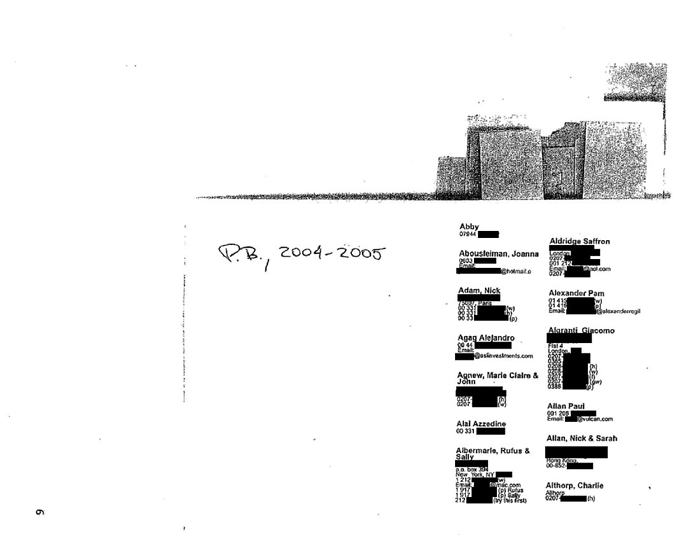
Millions of pages of documents related to Jeffrey Epstein have been released under the Epstein Files Transparency Act, but not a single person has been arrested in the United States as a result, an NPR investigation found.1
The investigation, published April 3, examined the legal, procedural and political barriers that have prevented the document releases from translating into criminal prosecutions, even as the files have prompted resignations, reputational damage and public outrage.
Legal Barriers to Prosecution
Legal experts interviewed by NPR identified several factors that make post-release prosecutions difficult. Chief among them is the statute of limitations, which has expired for many of the alleged offenses described in the documents. Federal and state sex crimes statutes vary, but many carry time limits that have long passed for conduct alleged to have occurred in the 1990s and 2000s.1
The absence of Epstein himself presents another challenge. Epstein died in a Manhattan federal jail in August 2019 while awaiting trial on sex trafficking charges. Prosecutors have noted that without his testimony or cooperation, building cases against alleged co-conspirators becomes significantly harder.
Additionally, several legal analysts told NPR that much of the material in the released files, while damaging to reputations, may not meet the evidentiary threshold required for criminal prosecution. Documents showing that an individual visited Epstein’s properties or traveled on his aircraft do not, on their own, prove knowledge of or participation in criminal activity.
“There is a vast distance between what is morally reprehensible and what is criminally prosecutable,” said a former federal prosecutor who reviewed portions of the released files for NPR.1
Reputational Fallout Without Legal Consequences
While arrests have not materialized in the United States, the files have produced consequences of other kinds. Several high-profile individuals named in the documents have resigned from corporate boards, lost academic positions, or faced public scrutiny that disrupted their professional lives.
Ghislaine Maxwell, who was convicted in 2021 on sex trafficking charges related to Epstein, remains the only person to have faced a criminal trial in the United States directly connected to his operation. Her legal team has renewed efforts to seek a presidential pardon, citing what they describe as selective prosecution.
UK Provides Contrast
The contrast with the United Kingdom has drawn attention from lawmakers and advocacy groups. British police arrested Peter Mandelson, a former Labour cabinet minister, on suspicion of misconduct in public office related to passing sensitive government information to Epstein. The arrest marked among the first high-profile figures to face criminal proceedings tied to the released documents, alongside Prince Andrew, who was arrested the same month.1
Members of Congress from both parties have pointed to the UK arrest as evidence that prosecutions are possible when law enforcement agencies are willing to act on the information contained in the files.
The DOJ has not commented on whether any active investigations are underway based on the released documents. Survivors and their attorneys have called on the department to appoint a special counsel to review the files for prosecutable offenses.
 Ghislaine Maxwell
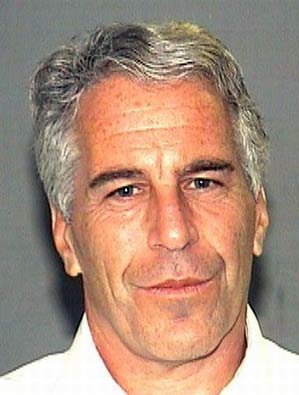 Jeffrey Epstein
 Peter Mandelson
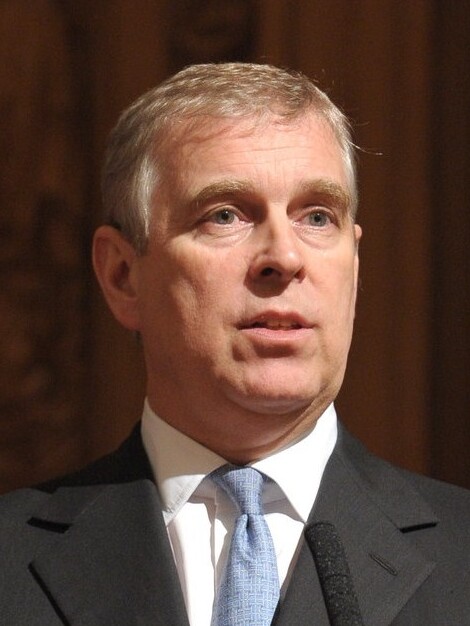 Prince Andrew