Bondi Defies House Subpoena Over Epstein Files After Firing

Key Takeaways
- ▶ Pam Bondi's legal team told the House Oversight Committee she would not appear for the April 14 deposition on Epstein files.
- ▶ DOJ argued the subpoena no longer applied since Bondi was fired and no longer leads the agency.
- ▶ Rep. Nancy Mace (R-SC) countered that the subpoena was issued to Bondi as an individual, not in her capacity as AG.
- ▶ The original subpoena was approved with bipartisan support, including five Republicans joining Democrats.
Former Attorney General Pam Bondi’s legal team notified the House Oversight Committee on April 8 that she would not appear for her scheduled April 14 deposition regarding the handling of Jeffrey Epstein-related documents, Axios reported.1
The notification set up a potential legal confrontation between Congress and the former cabinet official over the scope of congressional subpoena power and its application to individuals who have left government service.
DOJ Claims Subpoena No Longer Applies
Attorneys representing Bondi argued that the subpoena, which was issued while she served as attorney general, no longer applied because she was fired by President Donald Trump on April 2 and no longer leads the Department of Justice.1
The DOJ supported that position, with a department spokesperson telling CNBC that the subpoena was directed at the office of the attorney general, not at Bondi personally, and that Acting Attorney General Todd Blanche was prepared to work with the committee in her place.2
Rep. Nancy Mace (R-SC), who has been among the most vocal Republican proponents of Epstein-related transparency, rejected that interpretation. Mace told reporters that the subpoena was issued to Bondi as an individual witness, not to the attorney general’s office.3
“The subpoena names Pam Bondi. It doesn’t say ‘the Attorney General.’ She has personal knowledge of decisions that were made about these files, and leaving office doesn’t erase that knowledge,” Mace said, according to The Hill.3
Bipartisan Origins of the Subpoena
The subpoena was authorized through a bipartisan committee vote in which five Republican members joined all Democrats, making the current standoff particularly significant. The rare cross-party agreement reflected deep frustration on both sides of the aisle with how the DOJ handled redactions and the pace of document releases under the Epstein Files Transparency Act.
House Oversight Committee Chairman James Comer (R-KY) has not publicly stated whether the committee will attempt to enforce the subpoena against Bondi. Legal experts noted that compelling testimony from a former executive branch official raises complex separation-of-powers questions that could take months to litigate.2
Enforcement Options Limited
Congressional subpoenas carry the force of law, but enforcement mechanisms are limited. The committee could vote to hold Bondi in contempt of Congress, but any criminal contempt referral would go to the DOJ, now led by Blanche, creating a potential conflict of interest.
The committee could also pursue a civil lawsuit in federal court to compel Bondi’s testimony, though such cases historically move slowly and could extend well beyond the current congressional session.
Survivors’ advocacy groups expressed frustration with the impasse, calling on both Bondi and the current DOJ leadership to cooperate fully with congressional oversight. Several groups issued a joint statement urging the committee to use all available legal tools to secure Bondi’s testimony.
The standoff comes as the DOJ continues to face questions about the completeness of its document releases. Lawmakers from both parties have disputed the department’s claim that it has achieved full compliance with the transparency act.
 Donald Trump
 James Comer
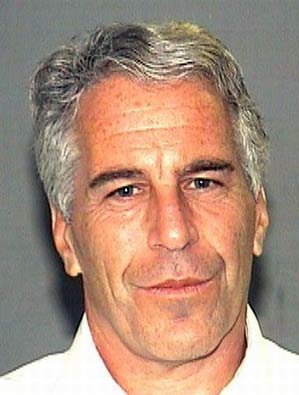 Jeffrey Epstein
 Nancy Mace
 Todd Blanche