Judge Dismisses Trump's $10 Billion Lawsuit Against WSJ Over Epstein Reporting
Key Takeaways
- ▶ U.S. District Judge Darrin P. Gayles dismissed Trump's $10 billion libel suit against the Wall Street Journal and Rupert Murdoch.
- ▶ The judge found Trump failed to demonstrate 'actual malice' as required for public figure defamation claims.
- ▶ The case was dismissed without prejudice, giving Trump until April 27 to refile with an amended complaint.
- ▶ The lawsuit targeted WSJ reporting on Trump's social connections to Jeffrey Epstein.
U.S. District Judge Darrin P. Gayles dismissed President Donald Trump’s $10 billion libel lawsuit against the Wall Street Journal and media executive Rupert Murdoch on April 13, ruling that Trump failed to meet the legal standard required for defamation claims brought by public figures, NPR reported.1
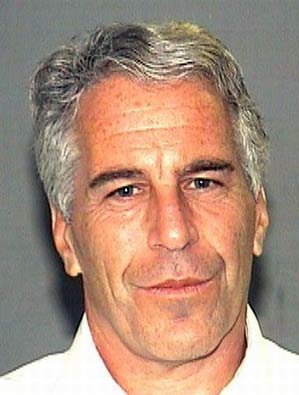
The lawsuit, filed in a Florida federal court, targeted the Journal’s reporting on Trump’s past social connections to convicted sex trafficker Jeffrey Epstein.1
The Ruling
Judge Gayles found that Trump’s legal team did not demonstrate “actual malice” — the standard established by the Supreme Court in New York Times Co. v. Sullivan requiring public figures to prove that a publisher acted with knowledge of falsity or reckless disregard for the truth.1
In his opinion, the judge wrote that the Journal’s reporting was based on documented records, including flight logs, photographs, and deposition testimony that had entered the public record through court proceedings and government document releases.
“The articles at issue relied on publicly available documents and presented factual reporting on matters of significant public interest,” the ruling stated, according to CNBC.2
The case was dismissed without prejudice, meaning Trump’s legal team has the option to refile with an amended complaint. Judge Gayles set April 27 as the deadline for any refiling.1
Background of the Suit
Trump filed the lawsuit in July 2025, claiming that the Journal’s coverage falsely implied a deeper relationship with Epstein than the social acquaintance he has acknowledged. The suit named both the newspaper and Murdoch personally, seeking $10 billion in damages.
The complaint cited several specific articles that discussed Trump’s appearances in Epstein’s contact books, flight records showing Trump on Epstein’s aircraft, and testimony from witnesses who described interactions between the two men at social events in New York and Florida.
Trump’s attorneys argued that the Journal’s reporting drew misleading inferences from the documented contacts and created a false impression of complicity.
The Journal’s legal team countered that every fact in the reporting was sourced to public records and that the articles drew no conclusions beyond what the documents themselves supported.2
Broader Implications
Al Jazeera noted that the dismissal came at a politically sensitive moment, as the administration was simultaneously seeking to limit further Epstein file releases through the DOJ.3
First Amendment scholars said the ruling reinforced the high bar public figures face when bringing defamation claims against media organizations.
“When reporting is based on public documents, the actual malice standard is very difficult to meet.”
Trump spokesperson did not immediately respond to requests for comment on the ruling. A spokesperson for the Wall Street Journal said the paper stood by its reporting.
Legal analysts said it was unclear whether Trump would refile by the April 27 deadline, noting that an amended complaint would need to address the specific deficiencies identified by the judge.1
 Jeffrey Epstein