Lawmaker Names 6 Men Hidden in Epstein Files Despite Transparency Act
Key Takeaways
- ▶ Reps. Ro Khanna (D-Calif.) and Thomas Massie (R-Ky.) read six redacted names from Epstein files into the Congressional Record, exploiting congressional immunity from defamation suits.
- ▶ Deputy AG Todd Blanche attacked the lawmakers, calling the named individuals 'completely random people' with no Epstein connections.
- ▶ Casey Wasserman, LA 2028 Olympics chief, sold his agency after clients fled following exposure of emails with convicted accomplice Ghislaine Maxwell.
- ▶ Les Wexner, who transferred a $77M mansion to Epstein for $0, was subpoenaed by Congress; Ohio politicians received his campaign donations over multiple election cycles.
- ▶ The DOJ released 3.5 million pages under the Transparency Act signed November 19, 2025, but heavy redactions remain despite the law passing the House 427-1.
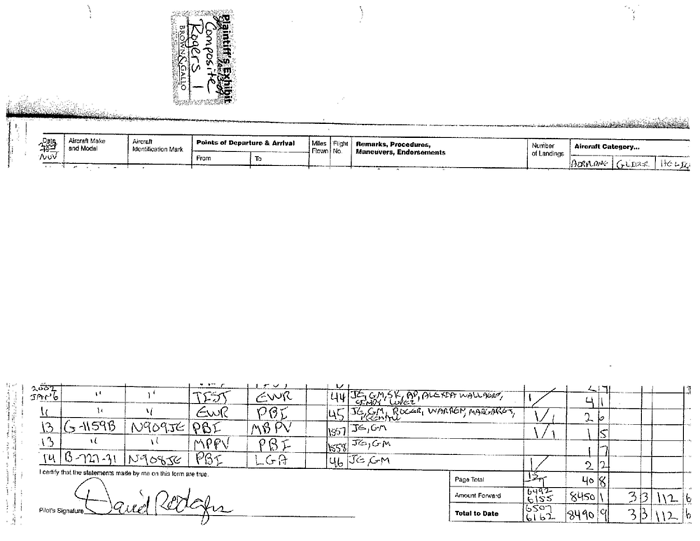
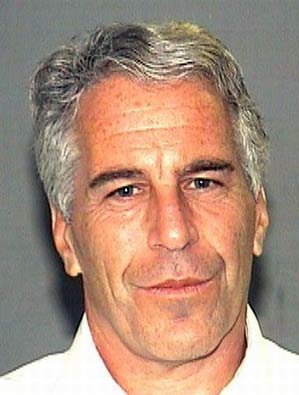
The Department of Justice released millions of pages of emails, flight logs, and calendars documenting Jeffrey Epstein’s contacts with prominent figures under the Epstein Transparency Act.1 Many pages contain redactions, including names that, in some cases, had already been reported by major news outlets.
A dispute between Congress and the Justice Department has developed over the scope of redactions in the released documents. Two lawmakers — one Democrat, one Republican — read redacted names into the Congressional Record this week, according to CBS News.1 The Justice Department responded by accusing the congressmen of naming “random people” with no Epstein connections. The lawmakers stated they had reviewed the files and found a pattern of redactions covering names of prominent figures while other individuals’ names remained visible in the same documents.1
The House Floor Confrontation
On the House floor this week, Rep. Ro Khanna (D-Calif.) and Rep. Thomas Massie (R-Ky.) named six men they said had been improperly redacted from the Epstein files “for no apparent reason,” according to CBS News.1 The two lawmakers have previously accused the Trump administration of a cover-up in the document release.
Their list included figures whose contacts with Epstein had already been documented in news reports or other public records, according to the lawmakers.1 By reading the names aloud during official proceedings, Khanna and Massie used Congress’s Speech or Debate Clause immunity from defamation suits.
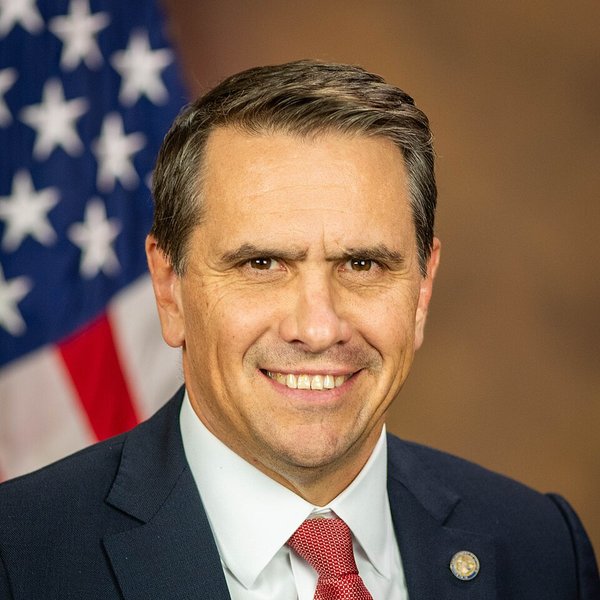
Deputy Attorney General Todd Blanche responded Friday that the congressmen had named “completely random people” with no genuine Epstein ties, according to The Hill.1 The Justice Department maintained its redaction decisions, while both lawmakers said they had reviewed the files and found evidence of substantive connections.
Resignations Following File Releases
Hours before Khanna and Massie spoke, several executives named in previously released Epstein files announced their departures. Lawmakers cited these resignations as evidence that redactions had covered individuals whose naming carried professional consequences.
Brad Karp, the chairman of law firm Paul, Weiss, Rifkind, Wharton & Garrison, faced scrutiny this week over his firm’s handling of Epstein-related matters. According to Above the Law, Karp’s position at the firm came under pressure as emails showed connections between some attorneys and Epstein’s network.
Casey Wasserman, the Los Angeles entertainment executive heading the 2028 Olympic Games preparations, announced he would sell his agency after clients departed following the publication of his emails with Ghislaine Maxwell, Epstein’s longtime associate convicted on sex trafficking charges. The New York Times reported Friday that Wasserman “has lost clients since his emails with Ghislaine Maxwell surfaced.”
Multiple executives at Dubai-based DP World also resigned after documents showed correspondence with Epstein’s network. PBS NewsHour reported that “a top lawyer at Goldman Sachs is resigning after emails showed her close relationship with Jeffrey Epstein.”
Redaction Inconsistencies
Lawmakers have questioned the DOJ’s redaction criteria. Some executives’ names were initially redacted but later became public through other means, while other individuals with less prominent profiles remain fully identified in the same released documents.1
Massie commented on one CEO’s resignation this week, according to Spectrum News, stating the executive’s departure was connected to information that should have been public earlier. Massie argued that had the Justice Department released names from the start, the public would have had months to evaluate these connections.
Both Khanna and Massie have disputed Blanche’s characterization of the named individuals as “random people,” saying they reviewed the files before naming individuals on the House floor.1 The DOJ has not disclosed the standard it uses to determine which names are redacted.
Lawmakers noted that a Clifford Chance trainee was named in recently surfaced emails, according to LawFuel, while documents show that Epstein was involved in arranging a guest speaker at the University of Alabama, per WVTM, yet the identity of that speaker was initially redacted despite the academic institution being publicly funded.
The Web of Financial Influence
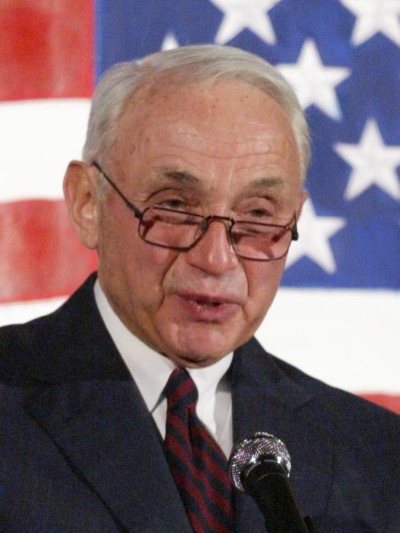
The Epstein files also documented financial connections to figures named in the documents. WFMJ.com reported that Ohio politicians received campaign funds from Les Wexner, the billionaire retail magnate whom Rep. Khanna has labeled an alleged Epstein co-conspirator. Wexner, the founder of Victoria’s Secret parent company L Brands and Epstein’s only confirmed financial client, employed Epstein as his financial adviser and gave him power of attorney over his fortune, according to public records. Wexner transferred a $77 million Manhattan mansion at 9 East 71st Street to Epstein for $0.
Congress issued a subpoena to Wexner to testify about the nature and extent of his relationship with Epstein. Lawmakers are examining whether Wexner’s political donations had any connection to the handling of the Epstein case at various levels of government.
British politician Lord Mandelson has also been subpoenaed by Congress after documentation of his meetings with Epstein appeared in the files. Consultants allegedly pitched Epstein’s network as a fundraising opportunity to New York Democrats, according to released documents.
Separately, one senator who blocked Epstein transparency legislation received a donation shortly afterward, and lawmakers have asked whether financial incentives influenced the legislative process around Epstein accountability measures.
The Surveillance Scandal
Separately, the Justice Department faces allegations that it monitored which lawmakers were searching the Epstein files. According to documents obtained by congressional Democrats, Attorney General Pam Bondi’s office tracked searches by members of Congress.
Democrats demanded that DOJ immediately stop tracking their searches, calling the monitoring an intrusion into Congress’s investigative prerogatives. The allegation added to congressional demands for an explanation of the DOJ’s redaction criteria.
During a House Judiciary hearing, Attorney General Bondi was questioned about why her department has resisted full document release. Bondi cited privacy concerns and investigative sensitivities. The FBI separately issued a statement defending the redactions as legally required, but lawmakers noted that no new charges have been filed since the files began emerging.1
Prior Reporting and Ongoing Reviews
The New York Times launched a major investigation into the millions of pages, working to document the scope of Epstein’s network. One Times investigation reported on how Epstein maintained access to prominent circles after his 2008 conviction.
The Justice Department’s position is that it should determine what information is released. Both Republican and Democratic lawmakers have rejected that position, citing the DOJ’s record of delayed and incomplete disclosures.1
What the Public Already Knows
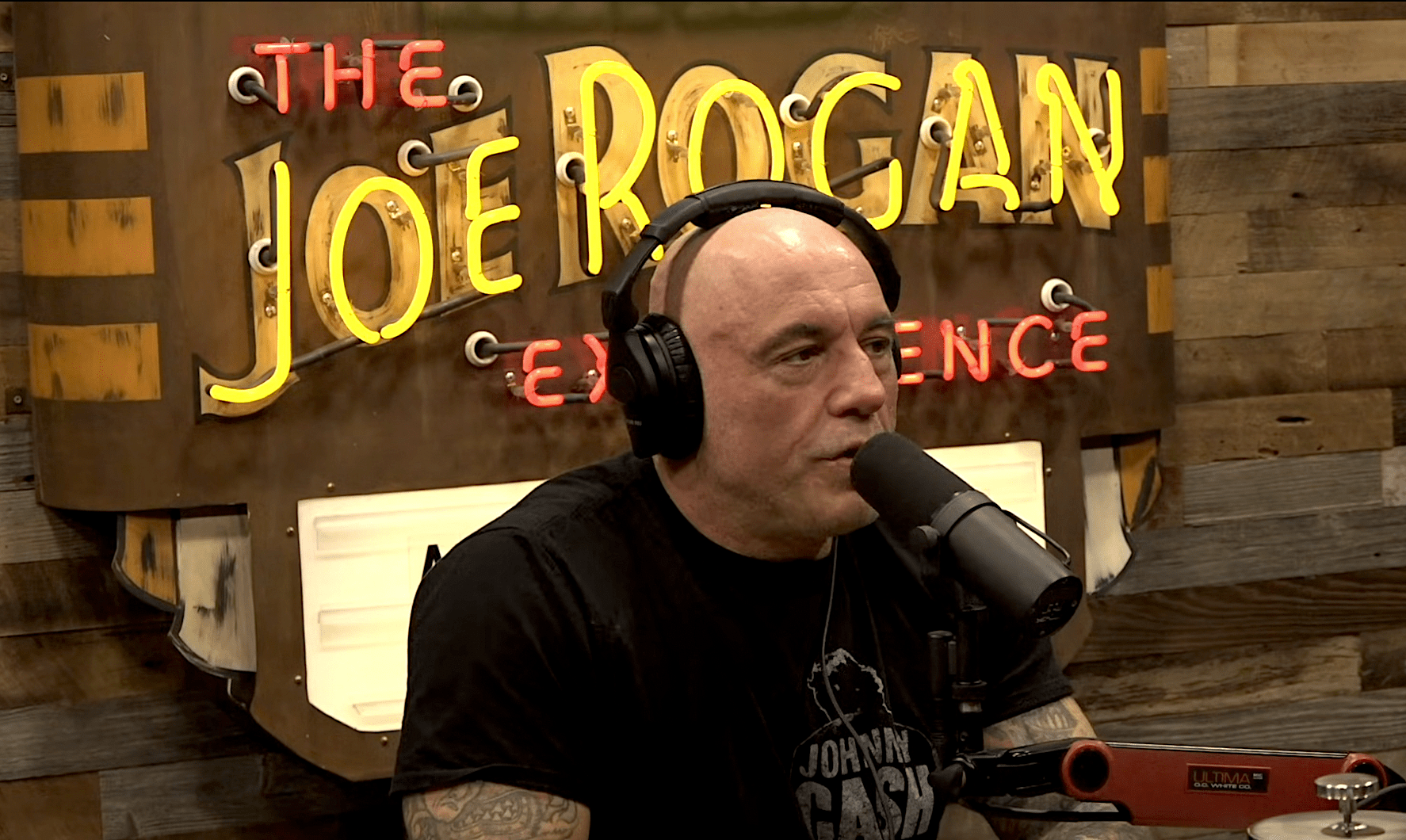
Some redacted names were already in the public domain. Orioles owner David Rubenstein was named in Epstein files, though his connection had been previously reported. Piers Morgan appeared 29 times in the files, largely in contexts related to his journalism career. Joe Rogan addressed his name appearing in the files on his podcast — his name surfaced in a 2017 email where Epstein asked physicist Lawrence Krauss to arrange an introduction, but Rogan never responded and no meeting occurred — stating the files “scare the hell out of me.”
Released emails contradicted several of Prince Andrew’s statements from his 2019 BBC interview about his relationship with Epstein and Ghislaine Maxwell. Nobel Committee leader Thorbjorn Jagland received gifts from Epstein, according to emails that were initially redacted.
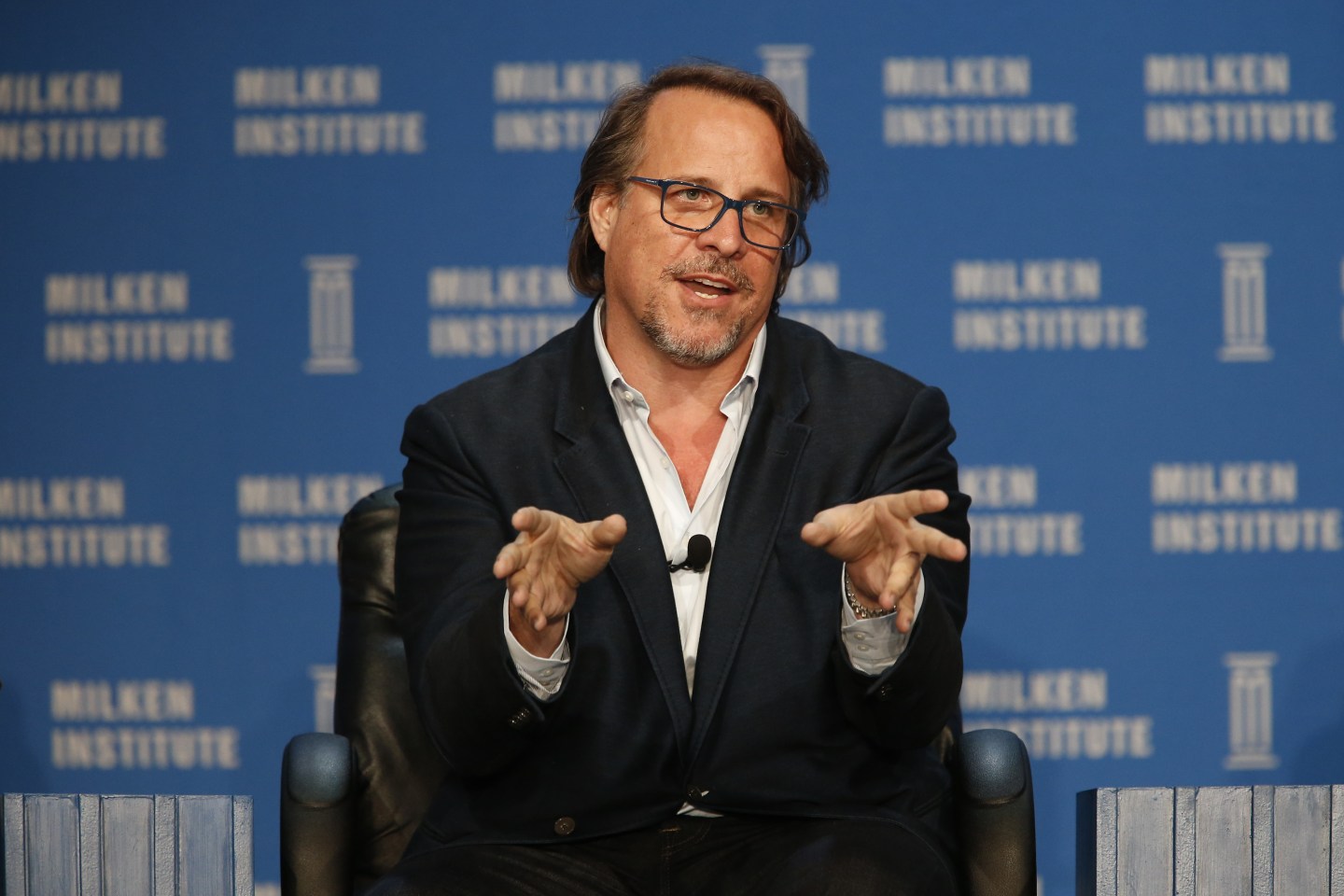
Media mogul Michael Ferro canceled a last-minute meeting with Epstein, according to released emails. College presidents and professors were also named in documents, drawing scrutiny of Epstein’s contacts with academic institutions and research funding.
Lawmakers noted that much of this information emerged through leaks, lawsuits, or congressional action rather than through DOJ-initiated disclosure.1
The Legal Battlefield
A federal court allowed a Bank of America lawsuit to proceed, with plaintiffs alleging the bank processed suspicious transactions connected to Epstein’s operations without proper scrutiny. The lawsuit relies in part on documents the Justice Department initially resisted releasing.
Courts have released new batches of Epstein-related documents in response to Freedom of Information Act litigation. Newly released video from Epstein’s office appeared in the latest release, though portions were withheld.
The Political Dimension
The Trump administration’s handling of the Epstein files has drawn bipartisan criticism. President Trump called for an end to the Epstein investigation, stating it has been “investigated enough.” Reps. Khanna and Massie — the co-authors of the original discharge petition that forced the Transparency Act to the floor — have stated that the administration’s resistance to full disclosure contradicts the law’s intent.1
The Epstein Transparency Act passed the House 427-1 and the Senate unanimously before being signed on November 19, 2025. The DOJ has since released 3.5 million pages, 180,000 images, and 2,000 videos. Continued redactions remain a point of contention between Congress and the executive branch.
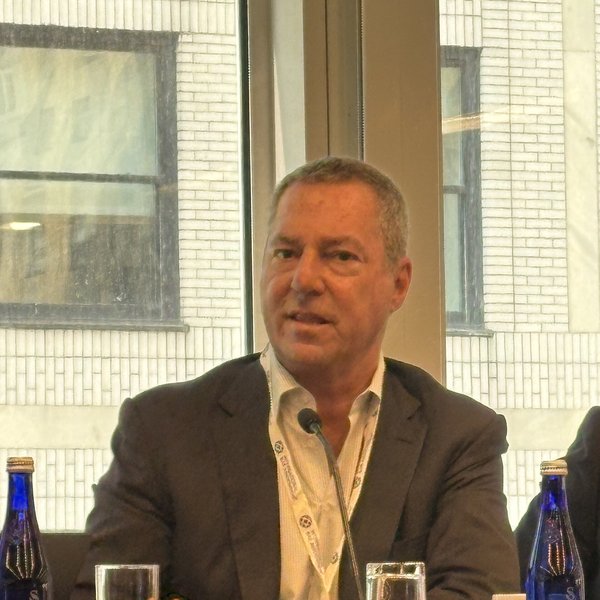 Brad Karp
 Casey Wasserman
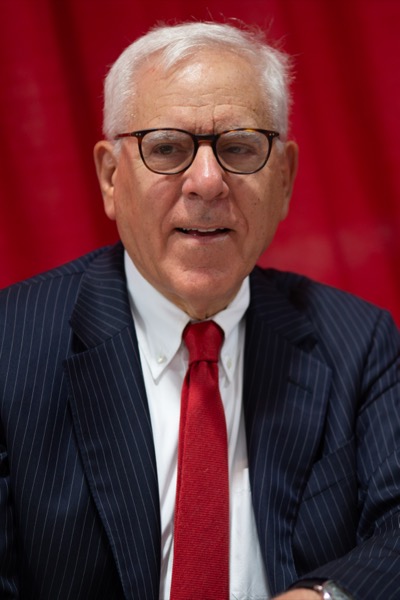 David Rubenstein
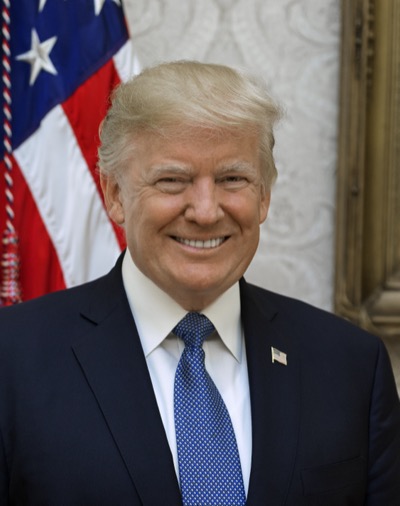 Donald Trump
 Ghislaine Maxwell
 Jeffrey Epstein
 Joe Rogan
 Leslie Wexner
 Michael Ferro
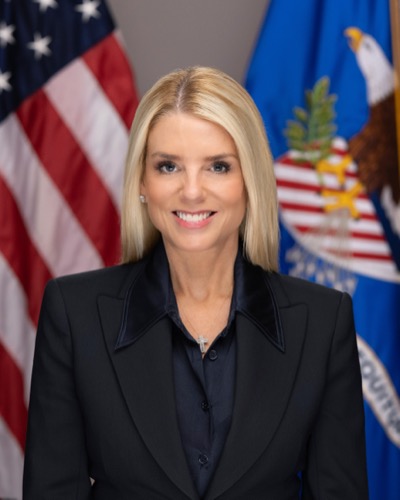 Pam Bondi
 Peter Mandelson
 Piers Morgan
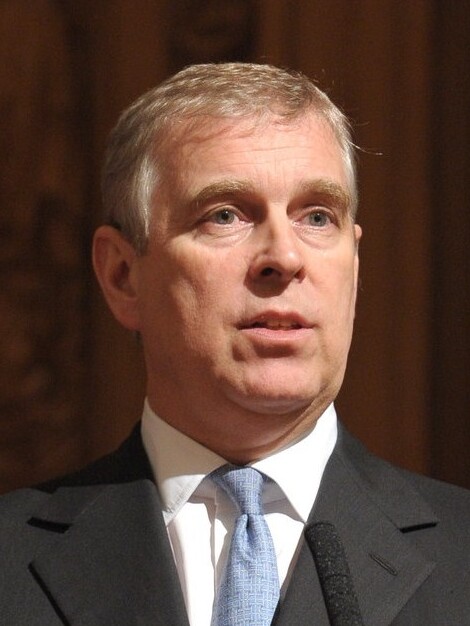 Prince Andrew
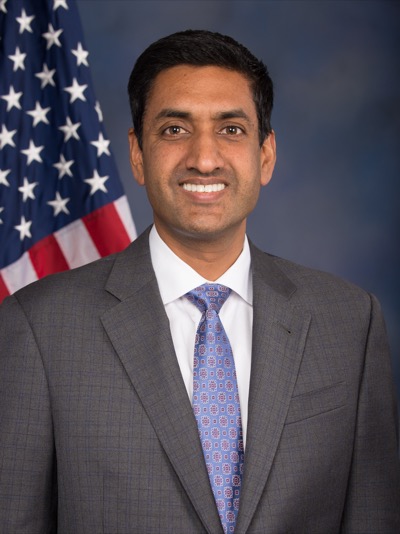 Ro Khanna
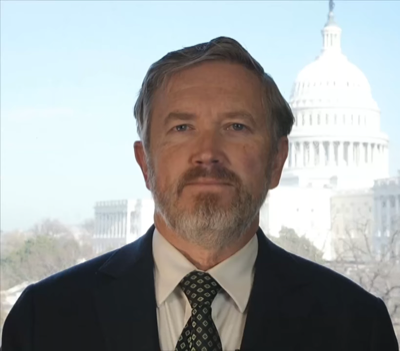 Thomas Massie
 Thorbjorn Jagland
 Todd Blanche