Epstein's Russian Network: An FSB-Linked Fixer, Overtures to Putin, and What the Dossier Center Found
Key Takeaways
- ▶ The Dossier Center, Mikhail Khodorkovsky's investigative unit, documented Epstein's Russian connections in August 2025, mapping a relationship with an FSB Academy graduate from inside the released files.
- ▶ Sergei Belyakov — an FSB Academy graduate, former deputy economic-development minister and chair of the St. Petersburg International Economic Forum — supplied Epstein with intelligence on a woman in 2015 and used Epstein's network to seek meetings with figures including Peter Thiel and Thomas Pritzker.
- ▶ Vladimir Putin is named at least 1,005 times in the documents; Epstein repeatedly tried to arrange a meeting, but there is no evidence one ever occurred, and the Kremlin denies receiving any request.
- ▶ Maria Drokova, a former press secretary for the Kremlin youth group Nashi, appears 1,627 times; former Norwegian PM Thorbjørn Jagland was used as a back-channel toward Putin via Sergei Lavrov.
- ▶ No public evidence proves Epstein worked for Russian intelligence. Being named in the files is not, by itself, evidence of any crime, and Poland's government has opened an inquiry into the open questions.
Most coverage of the Epstein files has focused on the American and British names in Jeffrey Epstein’s orbit. But running through the same documents is a distinct and underexamined thread: a web of Russian and Kremlin-linked figures, financial channels routed through sanctioned banks, and repeated attempts by Epstein to reach the highest levels of the Russian state.34
Among the first to map that thread was the Dossier Center, the investigative organization founded by exiled Russian opposition figure Mikhail Khodorkovsky. The center tracks the activities of people connected to the Kremlin, mapping networks and compiling case files intended to support future prosecutions.1 In August 2025 — months before the largest DOJ release — it documented the connections between Epstein and a Russian official trained at the FSB’s academy.4
The FSB-trained fixer
The central figure is Sergei Belyakov. A 1998 graduate of the FSB Academy — Moscow’s intelligence training institute — Belyakov advised the sanctioned aluminum oligarch Oleg Deripaska, rose to deputy minister of economic development by 2012, and by 2014 chaired the St. Petersburg International Economic Forum, the Kremlin’s flagship investment showcase.24
Belyakov and Epstein began corresponding around 2014. The relationship was transactional in both directions. In July 2015, Epstein emailed Belyakov about “a russian girl from moscow” he said was attempting to “blackmail a group of powerful biznessman” in New York; within roughly 72 hours, Belyakov returned a background report detailing the woman’s finances and vulnerabilities.24 As Euromaidan Press summarized the arrangement, “Epstein helped Russian officials navigate Western financial systems; Russian intelligence helped Epstein manage the women in his network.”4
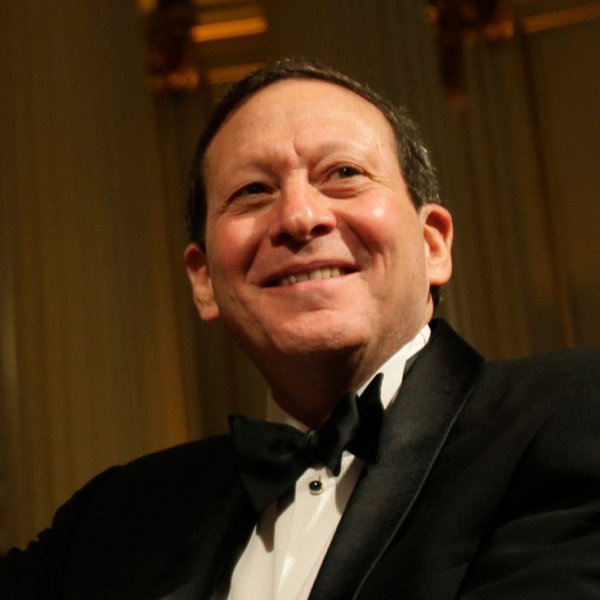
Belyakov also drew on Epstein’s contacts. The files show him using Epstein to seek introductions to prominent Americans in 2015, including venture capitalist Peter Thiel and Hyatt executive chairman Thomas Pritzker.2 Reporting indicates Belyakov also sought Epstein’s counsel on navigating Western sanctions in the spring of 2014.4
Overtures toward Putin
Vladimir Putin’s name appears at least 1,005 times across the released documents. Most mentions come from news clippings forwarded to Epstein’s inbox — but others appear in emails in which Epstein discussed trying to arrange a meeting with the Russian president.36 There is no evidence any meeting took place, and Kremlin spokesman Dmitry Peskov said the Kremlin “never received a request from Epstein to meet Putin.”3
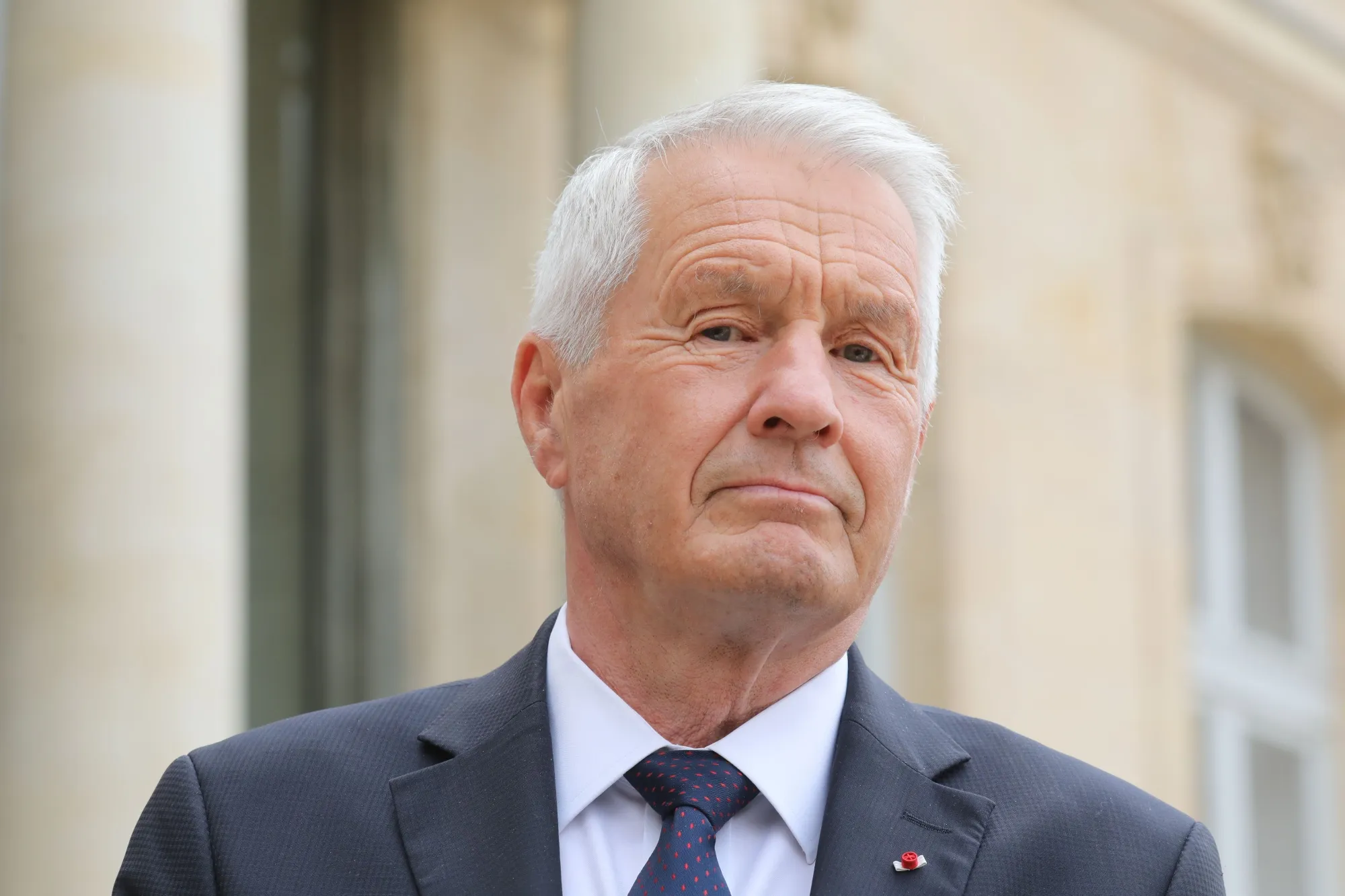
Epstein appears to have pursued at least one back-channel. According to the Dossier Center’s reporting, former Norwegian prime minister Thorbjørn Jagland — then secretary general of the Council of Europe — became a conduit toward Moscow. In a June 2018 email, Epstein wrote that Jagland “might suggest to Putin that Lavrov can get insight on talking to me,” and Jagland replied that he would pass the message to an aide of Russian foreign minister Sergei Lavrov.4 A 1997 book by an FSB defector had earlier identified Jagland under the KGB codename “Yuri.”4 Jagland’s documented gifts and ties to Epstein had already drawn scrutiny.
The names in the files
Other Kremlin-linked figures recur throughout the documents:
- Maria Drokova, a Russian public-relations manager and former press secretary for the Kremlin-backed youth movement Nashi — who once drew attention for kissing Putin at a youth forum — is named 1,627 times. She appears in correspondence promoting Epstein and coordinating his media contacts. Weeks before his 2019 arrest, Epstein texted her asking for “nudes,” which she agreed to send.34
- Vitaly Churkin, Russia’s late ambassador to the United Nations, met with Epstein, who appears to have arranged an internship for Churkin’s son.5 Churkin already has a profile in this archive.
The documents also repeatedly reference efforts to bring young women from Russian cities — Samara, Saratov, Nizhny Novgorod, Omsk and the Chelyabinsk region — into Epstein’s orbit.5
Following the money
The financial record points east as well. JPMorgan suspicious-activity reports cited accounts linked to Alfa-Bank and Sberbank, both since sanctioned.4 Senator Ron Wyden has said roughly $1.1 billion in wire transfers moved through a single Epstein-linked account, with multiple Russian banks processing what his office described as payments related to sex trafficking.4 Epstein’s final companion, Karyna Shuliak, arrived from Belarus in 2009; his will — signed two days before his death — left her $50 million and a 32-carat diamond, and his Southern Trust Company moved roughly $184 million between 2013 and 2019.4
What the files do — and do not — show
These connections are documented. What they do not do, on their own, is prove that Epstein was an agent of the Russian state. The Putin meeting never happened; many mentions are incidental; and intelligence-recruitment remains, for now, a question rather than a finding. As The Moscow Times cautioned, online speculation has outrun the evidence even as Poland opened a formal inquiry into whether Epstein worked for a foreign intelligence service.3 Polish prime minister Donald Tusk announced that investigation in February 2026, citing “the suspicion that this unprecedented paedophilia scandal was co-organised by Russian intelligence services.”4
Inclusion in the files is not, by itself, evidence of wrongdoing by any individual named here. What the Russian thread does establish is that Epstein — already operating as a node connecting Western finance, politics and academia — was actively cultivating, and being cultivated by, figures tied to a hostile intelligence state. The Dossier Center’s work, and the investigations now underway in several countries, are aimed at the harder question the documents raise but do not answer: how far that cultivation went.
References
- The Dossier Center — Mikhail Khodorkovsky
- Epstein sought help of ex-Russian official linked to FSB, files show — Al Jazeera
- What the Epstein Files Tell Us – And Don’t Tell Us – About His Ties to Russia — The Moscow Times
- Honeytrap empire: Epstein files reveal deep ties to Belarusian and Russian individuals, including an FSB-trained business advisor — Euromaidan Press
- Who are the Russians named in the latest Epstein files? Vladimir Putin, for one. — Meduza
- Epstein built ties to Russians and sought to meet Putin, files show — The Washington Post
 Ghislaine Maxwell
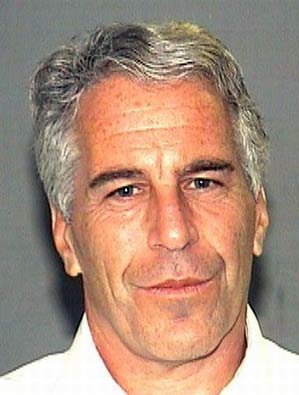 Jeffrey Epstein
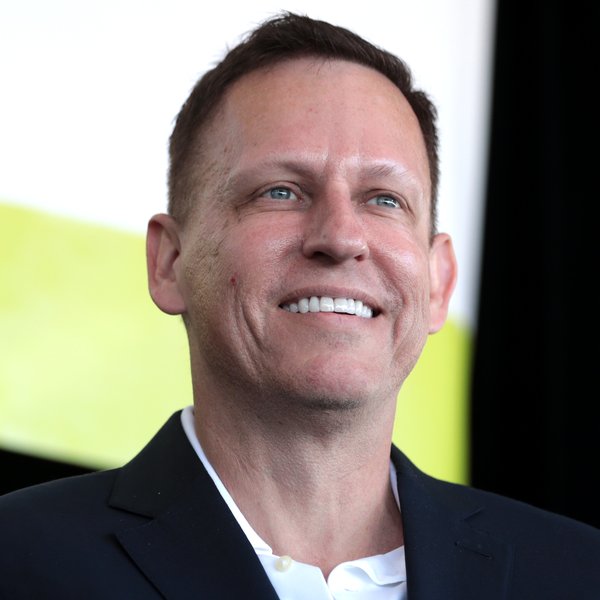 Peter Thiel
 Thomas Pritzker
 Thorbjorn Jagland
 Vitaly Churkin