How Elite Immunity Protected Epstein: NYT Investigation Reveals
Key Takeaways
- ▶ The New York Times investigation concluded Epstein was 'a sexual predator given a free ride by the ruling class,' based on millions of pages of documents.
- ▶ The Times examination, titled 'The Epstein Files and the Hidden World of an Unaccountable Elite,' focuses on institutional protection at high levels of American power.
- ▶ The files have already triggered resignations of Goldman Sachs' top lawyer Kathryn Ruemmler and DP World chairman Sultan Ahmed bin Sulayem.
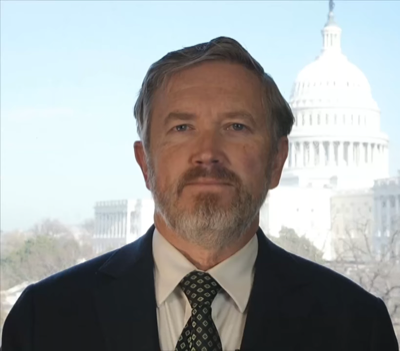
- ▶ Congress has subpoenaed Les Wexner, Epstein's longtime financier, and Rep. Thomas Massie read redacted names into the Congressional Record.
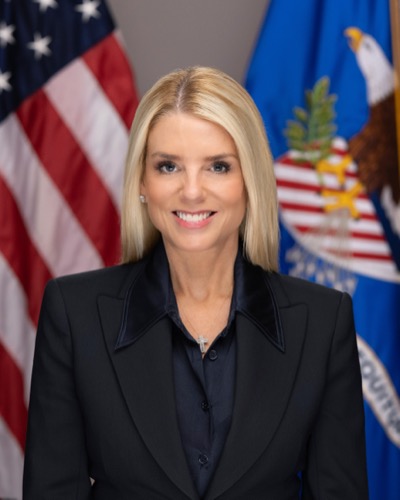
- ▶ Attorney General Pam Bondi faces mounting pressure over why the DOJ continues redacting documents without clear legal grounds.
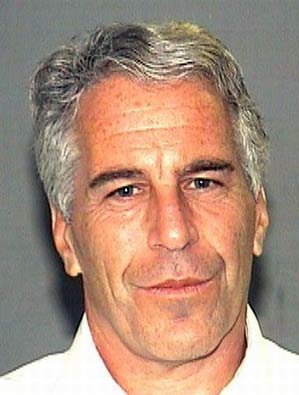
A New York Times investigation into the Epstein files concluded that Jeffrey Epstein was, in the newspaper’s framing, “a sexual predator given a free ride by the ruling class.”1
The examination, titled “The Epstein Files and the Hidden World of an Unaccountable Elite,” draws on millions of pages of documents released by the Department of Justice to trace how institutional power at the highest levels of American finance, politics and academia shielded Epstein for decades, according to the Times.1
Scale of the Investigation
The Times has assigned 24 journalists to review the files, which the newspaper said would stack as high as the Empire State Building if printed.1 The investigation, which the Times said will take months to complete, is focused on identifying who knew about Epstein’s conduct and what institutional responses — or failures to respond — occurred.1
Investigators continue reviewing the documents for what the Times describes as “ironclad criminal conduct.”1 The documents show Epstein maintaining contact with prominent individuals and institutions across a span of decades, including relationships that continued well after his 2008 conviction in Florida for procuring a minor for prostitution.14
The Original Immunity Deal
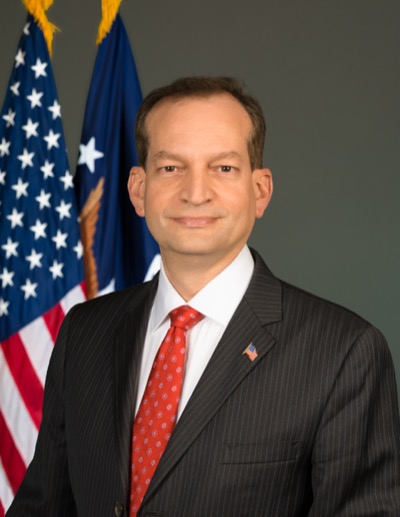
The documents help illuminate the origins of the institutional protection the Times describes. In July 2006, the FBI launched a federal investigation into Epstein and identified 36 underage victims. By May 2007, federal prosecutors had prepared a draft indictment with 60 counts.4 Instead of proceeding to trial, U.S. Attorney Alexander Acosta signed a non-prosecution agreement in September 2007 that granted immunity to Epstein, four named co-conspirators and “any potential co-conspirators.”4
To date, only Ghislaine Maxwell has been criminally prosecuted in connection with Epstein’s activities. Maxwell was convicted in 2021 and is serving a 20-year prison sentence.4
High-Profile Departures
The Times investigation was published as the file releases triggered a wave of resignations. Kathryn Ruemmler, former Obama White House counsel and Goldman Sachs general counsel, resigned after emails surfaced in which she referred to Epstein as “Uncle Jeffrey.”2 Sultan Ahmed bin Sulayem, chairman of DP World, stepped down after his name appeared more than 4,700 times in the documents.3 In Britain, Peter Mandelson, a central figure in the Labour Party, resigned from a party role after the files revealed he received three payments of $25,000 from Epstein.5
Congressional Pressure and Redactions
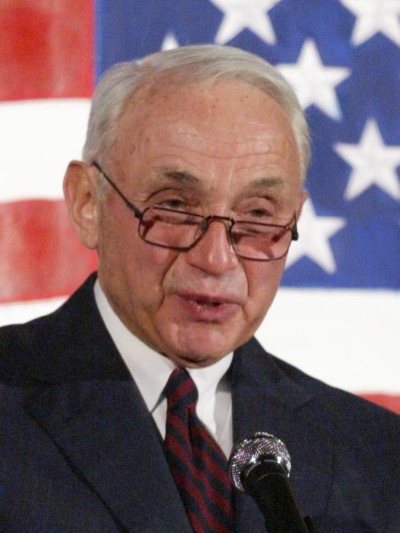
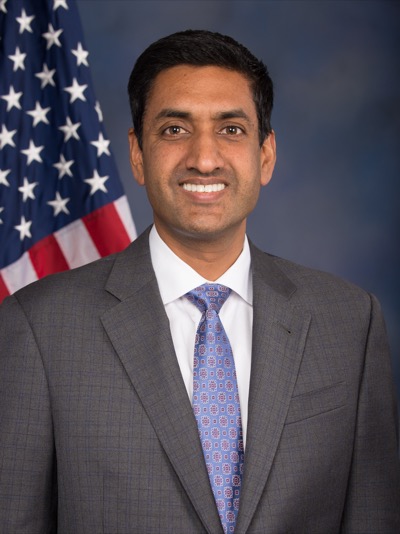
Attorney General Pam Bondi faces mounting pressure over why the DOJ continues redacting documents. Rep. Thomas Massie (R-Ky.) and Rep. Ro Khanna (D-Calif.), co-sponsors of the Epstein Transparency Act, identified six men whose names had been redacted from the files, including billionaire Leslie Wexner, who was listed as a co-conspirator on an FBI document.67 Congress subpoenaed Wexner to testify about his financial relationship with Epstein.8
Khanna said 70% to 80% of the files remain redacted.7 The Epstein Transparency Act, signed into law Nov. 19, 2025, states that no record “shall be withheld, delayed, or redacted on the basis of embarrassment, reputational harm, or political sensitivity.”9
The full scope of the network documented in the files remains only partially public. The Times investigation is ongoing.
References
- The Epstein Files and the Hidden World of an Unaccountable Elite — New York Times
- Goldman Sachs Top Lawyer Resigns After Named in Epstein Files
- Dubai Ports Chief Resigns After Hundreds of Secret Epstein Emails
- Investigation of the U.S. Attorney’s Office’s Resolution of Its 2006–2008 Federal Investigation of Jeffrey Epstein (OPR report, Nov. 2020) — U.S. DOJ Office of Professional Responsibility
- Epstein files have brought a wave of resignations and investigations — Washington Post
- Lawmaker Names 6 Men Hidden in Epstein Files
- Thomas Massie, Ro Khanna suggest powerful men are being protected by over-redactions — CNN
- Congress Subpoenas Wexner to Testify on Epstein Ties
- Public Law 119–38: Epstein Files Transparency Act (Nov. 19, 2025) — U.S. Congress
 Alexander Acosta
 Ghislaine Maxwell
 Jeffrey Epstein
 Kathryn Ruemmler
 Leslie Wexner
 Pam Bondi
 Peter Mandelson
 Ro Khanna
 Sultan Ahmed Bin Sulayem
 Thomas Massie