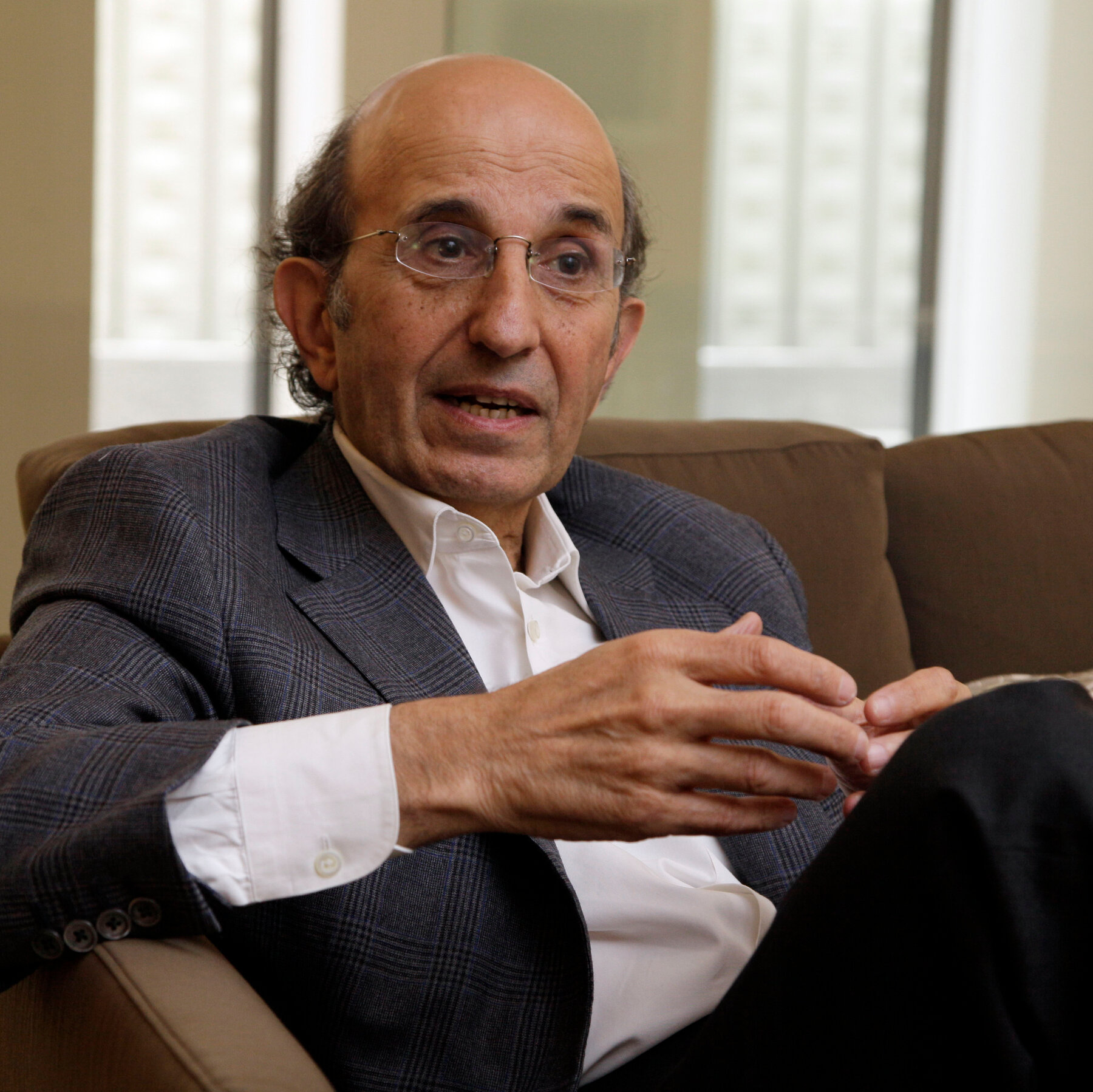
Joel Klein
Former NYC Schools Chancellor (2002-2010), former News Corp executive
Attorney and education executive who served as Chancellor of the New York City Department of Education from 2002 to 2010, overseeing the nation's largest public school system with 1.1 million students. Later became CEO of Amplify, News Corp's education division. The New York Times reported he met repeatedly with Jeffrey Epstein over several months in 2013, five years after Epstein's conviction.
Joel Klein in the Epstein Files — By the Numbers
Topics Covered
Joel Klein is an American attorney and education executive who held senior roles in government, education, and media. He served as U.S. Assistant Attorney General for the Antitrust Division under President Bill Clinton before being appointed Chancellor of the New York City Department of Education in 2002 by Mayor Michael Bloomberg. In that role, he oversaw the nation’s largest public school system, with 1.1 million students, until his departure in 2010. He then joined Rupert Murdoch’s News Corp as CEO of its education division, Amplify.
Meetings with Epstein
The New York Times reported on February 14, 2026 — as part of its ongoing investigation into the 3.5 million pages released under the Epstein Transparency Act signed November 19, 2025 — that Klein met repeatedly with Jeffrey Epstein during a several-month period in 2013.
The 2013 meetings occurred five years after Epstein’s 2008 conviction in Florida for soliciting a minor. At the time of the meetings, Epstein was a registered sex offender. Klein had already left his chancellor position and was serving as CEO of Amplify at News Corp.
The Times report did not specify the nature or context of the meetings between Klein and Epstein during that period. Klein has not publicly commented on the nature of the relationship or what prompted the repeated meetings.
Pattern of Post-Conviction Access
Klein’s meetings with Epstein in 2013 fit a broader pattern documented in the files: prominent figures in education, finance, and government continued meeting with Epstein after his 2008 conviction. Harvard University accepted $9.1 million from Epstein and allowed him to visit campus at least 40 times after the conviction. MIT Media Lab director Joi Ito resigned in September 2019 after his concealed relationship with Epstein was exposed. Multiple college presidents and professors have been identified in the documents.
Klein’s case is particularly notable given his background leading the nation’s largest school system. His transition from overseeing the education of 1.1 million children to meeting repeatedly with a convicted sex offender — even in a subsequent professional capacity — has drawn scrutiny.
Context
The disclosure of Klein’s Epstein meetings emerged from the New York Times’ major investigation into the millions of pages of documents available under the Transparency Act. That review has identified connections between Epstein and numerous figures across education, business, and government. Klein’s meetings took place during 2013, six years before Epstein’s death on August 10, 2019 at the Metropolitan Correctional Center in Manhattan.
Documents
Primary-source records that reference Joel Klein. Inclusion in these documents is not, by itself, evidence of wrongdoing.
- DOJ Epstein Files (EFTA release) — The New York Times reported on February 14, 2026 that records within the Justice Department’s Epstein Files Transparency Act disclosure (the roughly 3.5-million-page release made in January 2026) show Klein met repeatedly with Epstein over a several-month period in 2013, five years after Epstein’s 2008 conviction. The Times did not specify the nature or context of the meetings.
Connections
View in network →People most often named alongside Joel Klein in coverage, plus documented connections. Counts reflect shared articles, not verified relationships.