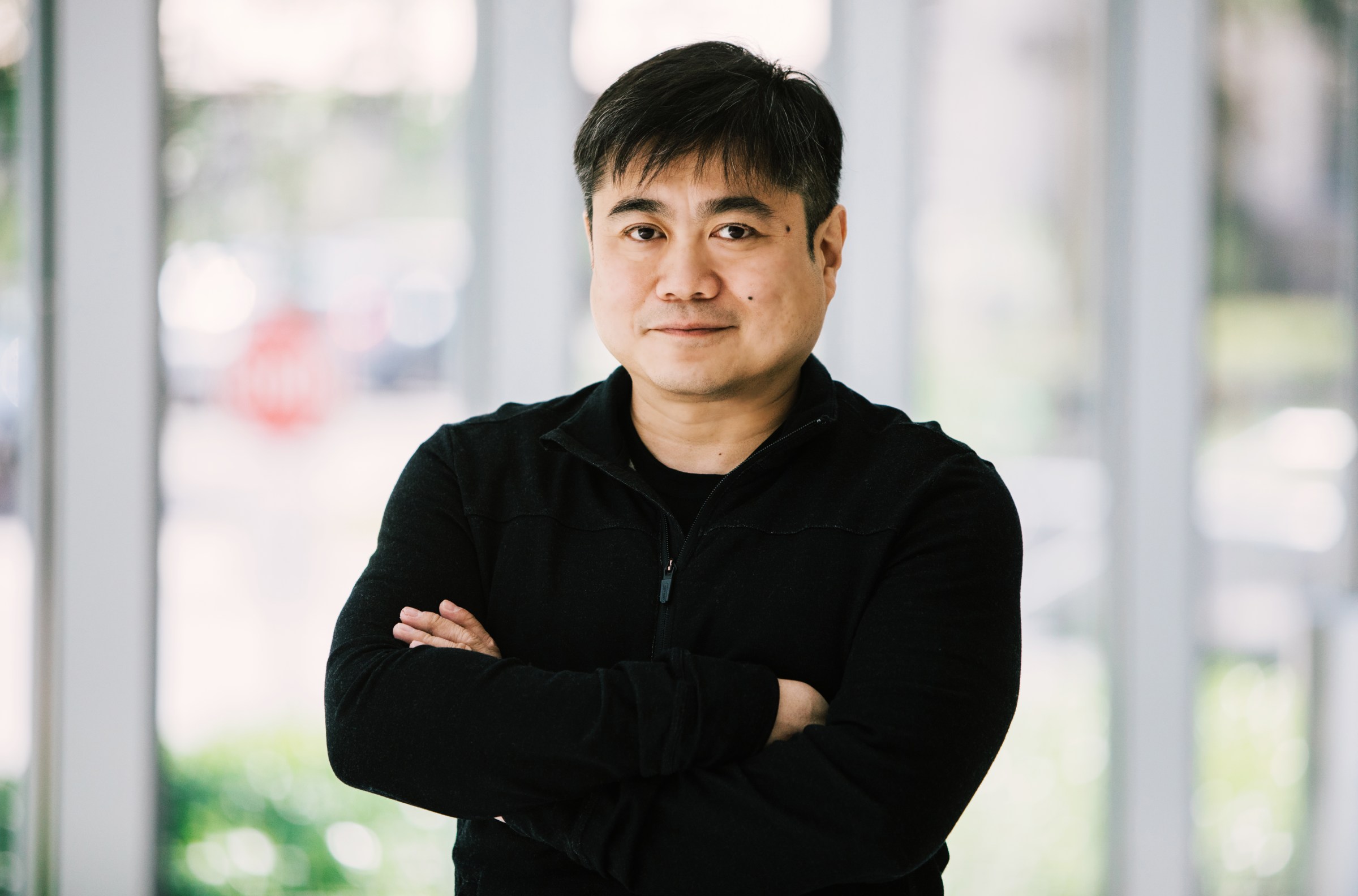
Joi Ito
Former Director of MIT Media Lab
Former director of the MIT Media Lab who resigned in September 2019 after investigative reporting revealed he had concealed the lab's financial ties to Jeffrey Epstein, including $525,000 in donations to the Media Lab, $1.2 million Epstein placed in Ito's own investment funds, and efforts to keep the source of the money anonymous.
Joi Ito in the Epstein Files — By the Numbers
Topics Covered
Joi Ito is a Japanese-American activist, entrepreneur, and venture capitalist who served as director of the MIT Media Lab from 2011 until his resignation on September 7, 2019. He stepped down after investigative reporting by The New Yorker (by Ronan Farrow) and other outlets revealed that the Media Lab’s financial relationship with Jeffrey Epstein was deeper than previously acknowledged, and that Ito had worked to keep the source of donations anonymous.
Background
Born June 19, 1966, in Kyoto, Japan, and raised partly in the United States, Ito built a career at the intersection of technology, venture capital, and internet culture. He was an early-stage investor in companies including Twitter, Flickr, and Kickstarter. He served on the boards of The New York Times Company, the John D. and Catherine T. MacArthur Foundation, and the John S. and James L. Knight Foundation, among others. He was named director of the MIT Media Lab in April 2011, beginning the role that September as the lab’s fourth director, succeeding co-founder Nicholas Negroponte.
The Epstein Financial Relationship
According to MIT’s January 2020 fact-finding report, Epstein gave a total of approximately $850,000 to MIT across ten donations between 2002 and 2017. Of that, $525,000 went to the Media Lab; the remainder went to professors Seth Lloyd ($225,000) and the late Marvin Minsky ($100,000). In an internal Media Lab meeting on September 4, 2019, Ito acknowledged that he had taken $525,000 from Epstein for the lab and had permitted Epstein to invest $1.2 million in Ito’s own private investment funds.
The New Yorker’s September 2019 investigation, based in part on internal emails provided by former development associate Signe Swenson, reported that Ito and Media Lab staff worked to conceal Epstein’s identity in internal records, in part because Epstein had been blacklisted in MIT’s donor database after his 2008 conviction. (MIT’s later fact-finding report stated that Epstein was never formally coded as a “disqualified” donor in its system, a designation it said refers to inactive donors rather than prohibited ones.) Staff reportedly referred to Epstein by code names such as “Voldemort” or “he who must not be named,” and Ito asked that donations from Epstein be recorded as anonymous.
Epstein also acted as a fundraising intermediary, helping to broker donations from others. Reporting noted that an October 2014 email had Ito describing a large gift from Bill Gates as having been “directed by Jeffrey Epstein,” a characterization that a Gates spokesperson denied. Donor Leon Black was also identified as a source of Epstein-brokered funds. Ito additionally visited several of Epstein’s residences and invited Epstein to the Media Lab.
Resignation and Aftermath
Ito resigned on September 7, 2019, less than a day after The New Yorker published its detailed account of the relationship. In a resignation message, he stepped down as director, professor, and employee, effective immediately, and wrote: “I want to apologize again for my errors in judgment.” His departure prompted resignations and departures of several Media Lab affiliates and advisors. Negroponte drew criticism for saying at a staff meeting that he had advised Ito to take Epstein’s money and would do so again, though he later said his judgment would have been different given the newer sex-trafficking allegations against Epstein.
MIT launched a fact-finding investigation conducted by the law firm Goodwin Procter, which released its findings on January 10, 2020. The review found that the Epstein donations were driven by Ito or by Seth Lloyd, and that three MIT vice presidents had learned of Epstein’s donations and criminal status in 2013 and created an informal framework for accepting subsequent gifts while keeping them unpublicized. The report stated that MIT President L. Rafael Reif was not aware that the Institute was accepting donations from a convicted sex offender and had no role in approving them.
Broader Significance
The MIT Media Lab scandal was a notable moment in the broader Epstein story, illustrating how an elite academic institution accepted money from a convicted sex offender after his 2008 conviction and took steps to keep the relationship out of public records. The case showed some of the mechanisms by which Epstein sought to maintain influence — using donations and investment connections to tie himself to prominent individuals and institutions.
Documents
Primary-source records that name or reference Joi Ito. Inclusion in these documents is not, by itself, evidence of wrongdoing; the documented context concerns donations and academic introductions, and Ito has apologized for his errors in judgment.
- DOJ Epstein Files (EFTA release) — Emails involving Ito are part of the Justice Department’s Epstein Files Transparency Act disclosure (the roughly 3.5-million-page release made on January 30, 2026). As reported by MIT’s student newspaper The Tech, the released correspondence includes a 2014 exchange in which Ito and Linda Stone recommended Bitcoin developer Jeremy Rubin to Epstein, and 2015 emails among Ito, Epstein, and MIT researcher Ed Boyden — part of a record showing Epstein visited MIT, mainly the Media Lab under Ito, nine times between 2013 and 2017.
Connections
View in network →People most often named alongside Joi Ito in coverage, plus documented connections. Counts reflect shared articles, not verified relationships.
Related Coverage
How Epstein's Academic Donations Exposed University Vetting Failures
Tom Pritzker's Epstein Ties Force Architecture Prize Response
NYC Schools Chief Joel Klein Met With Epstein in 2013
DOJ Files: Epstein Pulled Strings at University of Alabama
College Presidents, Professors Named in Epstein Files Fallout
Sources
- Joi Ito Resigns From M.I.T. Media Lab Over Epstein Ties — New York Times →
- How an Elite University Research Center Concealed Its Relationship with Jeffrey Epstein — The New Yorker →
- College Presidents, Professors Named in Epstein Files Fallout — The Hill →
- MIT Review of Epstein Donations — MIT →
- Joi Ito, director of MIT Media Lab, resigns over ties to Jeffrey Epstein — MIT Technology Review →
- Director Of MIT Media Lab Resigns Over Financial Ties To Jeffrey Epstein — WBUR →
- The broader lessons of the MIT Media Lab's Epstein scandal — Columbia Journalism Review →