Prince Andrew's Aide Advised Epstein to Hide Conviction on Visa Form
Key Takeaways
- ▶ David Stern, a close associate of Prince Andrew, advised Jeffrey Epstein to conceal his 2008 child sexual abuse conviction on a Chinese visa application.
- ▶ Deliberately omitting a criminal conviction on a visa application constitutes fraud under both U.S. and international law.
- ▶ Les Wexner gave Epstein power of attorney over his finances and transferred his $77 million New York mansion for $1.
- ▶ Congress subpoenaed Wexner to testify under oath — the first time he will face Congressional questioning about his decades-long Epstein association.
- ▶ The House Oversight Committee under Chairman Ro Khanna expanded its investigation with additional subpoenas beyond Wexner and Lord Mandelson.
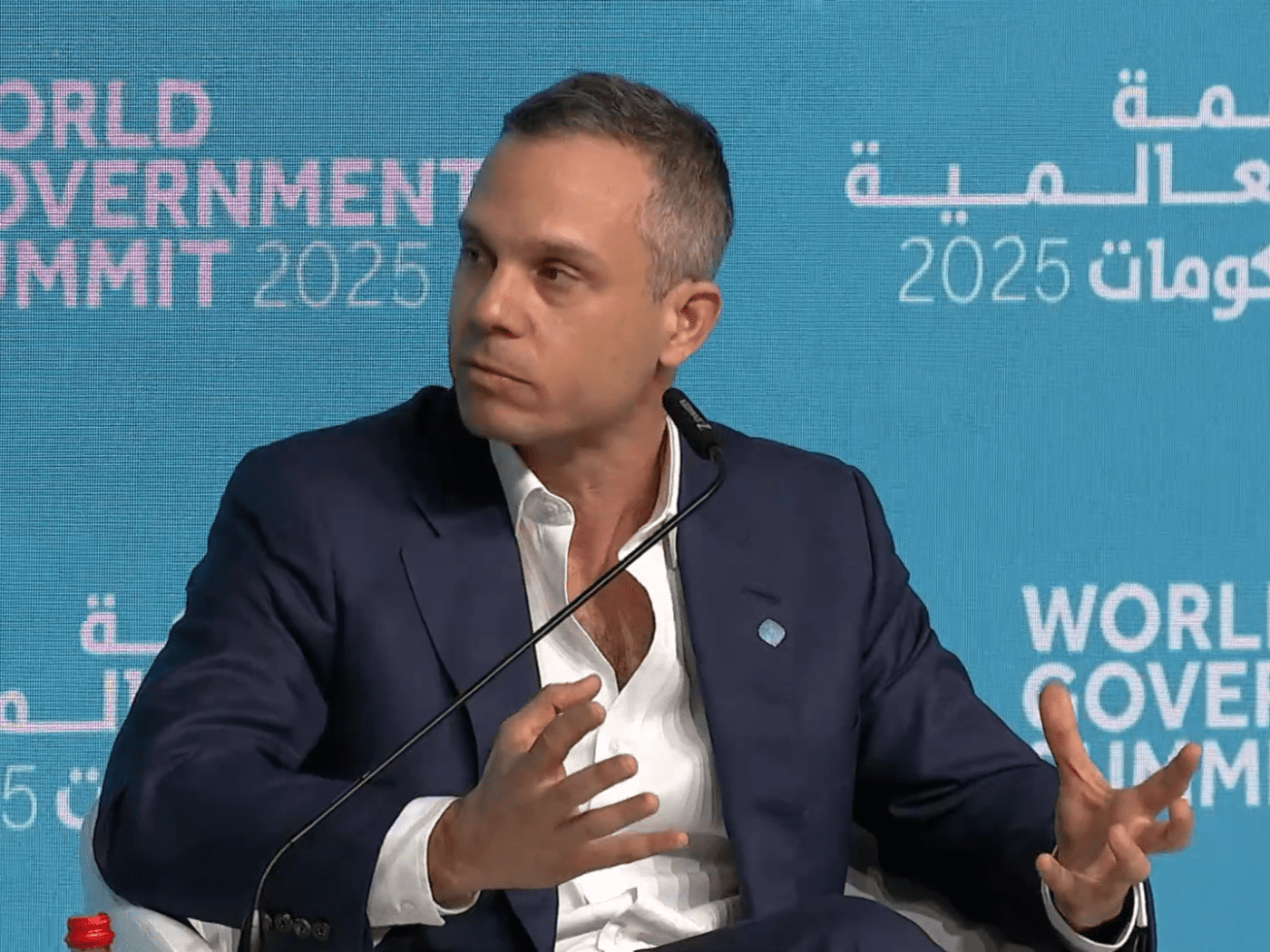
A close associate of Prince Andrew advised Jeffrey Epstein to conceal his criminal conviction when applying for a Chinese visa, according to documents released this week by the Department of Justice.1 David Stern, who maintained relationships with both the financier and the royal, provided the guidance after Epstein’s initial visa application was rejected by Chinese authorities, according to The Guardian.1
The correspondence shows Stern advised against mentioning “being denied previously or criminal charges” on Epstein’s visa application form, according to The Guardian.1 The guidance came after Epstein had already been convicted in 2008 for soliciting a minor in Florida.
Deliberately omitting a criminal conviction on a visa application constitutes fraud under both U.S. and international law. The files do not indicate whether Epstein followed Stern’s advice or whether he ultimately obtained the Chinese visa.1
Royal Circle Deepens Involvement
Stern’s role adds to the documented connections between Epstein and Prince Andrew’s circle, according to The Guardian.1 The prince stated in his 2019 BBC interview that his relationship with Epstein was limited and primarily conducted through mutual friends.
Emails released earlier this week showed more frequent contact than the prince acknowledged in that interview and documented coordination on travel and meetings.
Stern’s position as an intermediary between the royal and the convicted sex offender is documented in the files alongside other advisers and associates who appeared in Epstein’s correspondence.1
Wexner Money Flows to Ohio Politicians
Ohio state politicians received campaign contributions from Les Wexner, the billionaire retail magnate named in court documents as an Epstein associate, according to WFMJ reporting. The station documented political donations from Wexner to multiple Ohio officeholders.
Wexner gave Epstein power of attorney over his finances and transferred ownership of his New York mansion to the financier for $1, according to public records. Victims’ attorneys have described Wexner in court filings as an alleged co-conspirator in Epstein’s alleged trafficking operation.
Congress subpoenaed Wexner earlier this week, requiring him to testify about his financial relationship with Epstein and what he knew about the financier’s activities. The subpoena represents the first time Wexner will face Congressional questioning under oath about his decades-long association with Epstein.
The Ohio politicians who received Wexner’s contributions have not commented on whether they will return the funds or donate them to victim support organizations. WFMJ’s review of campaign finance records shows donations spanning multiple election cycles.
Elite Law Firm Faces Questions
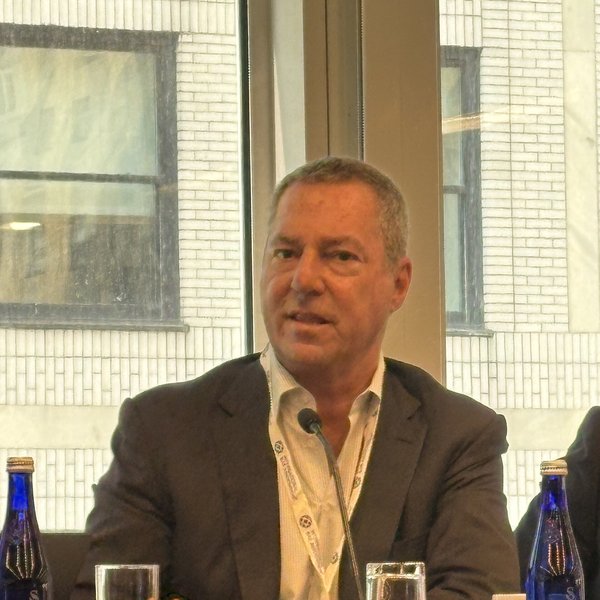
Brad Karp, the chairman of Paul, Weiss, Rifkind, Wharton & Garrison, faces questions about his continued position after the firm’s connections appeared in the documents.
Above the Law reported on internal discussions about Karp’s tenure. Paul, Weiss has represented multiple clients named in Epstein documents, and Karp’s name appears in released correspondence.
The firm previously represented Goldman Sachs in various matters. Goldman’s top lawyer resigned this week after being named in the files. The resignation marked the first C-suite departure at a major investment bank directly linked to the document release.
Multiple corporate executives and board members have resigned since the files became public. The pattern spans industries from shipping to entertainment to finance.
School Photo Company Responds to Concerns
Lifetouch, the national school photography company, issued a statement this week addressing concerns after connections to Epstein associates appeared in the files. The Austin American-Statesman reported that parents raised questions about data sharing practices.
The company stated in a press release that student photographs are not shared with outside parties. Lifetouch emphasized its privacy policies and data protection measures.
The concern emerged from documents showing Epstein’s network maintained databases of contact information and photographs of individuals across various institutions. Earlier releases showed Epstein had contacts at multiple educational institutions, including the University of Alabama, according to released documents.
College presidents and professors named in the files face questions about what they knew regarding Epstein’s activities and funding sources. Several institutions launched internal reviews of their vetting processes for major donors.
Pattern of Facilitators
The Stern visa guidance adds to documented instances of individuals assisting Epstein in navigating legal and bureaucratic obstacles found in the released files.1
A former Clifford Chance lawyer’s contacts with Epstein appeared in emails showing legal advice and introductions. Consultants pitched Epstein’s access to New York Democrats in exchange for campaign contributions, according to released documents. A Nobel Committee chief received gifts, according to correspondence in the files.
Victims’ attorneys have described the operation as requiring cooperation from advisers in law, finance, politics, and social circles, according to court filings.
Defense attorneys for individuals named in the files have stated that appearing in Epstein’s correspondence does not establish knowledge of criminal activity. They note that many people conducted legitimate business with Epstein before his 2008 conviction and that social connections alone do not demonstrate culpability.
Congressional Investigation Expands
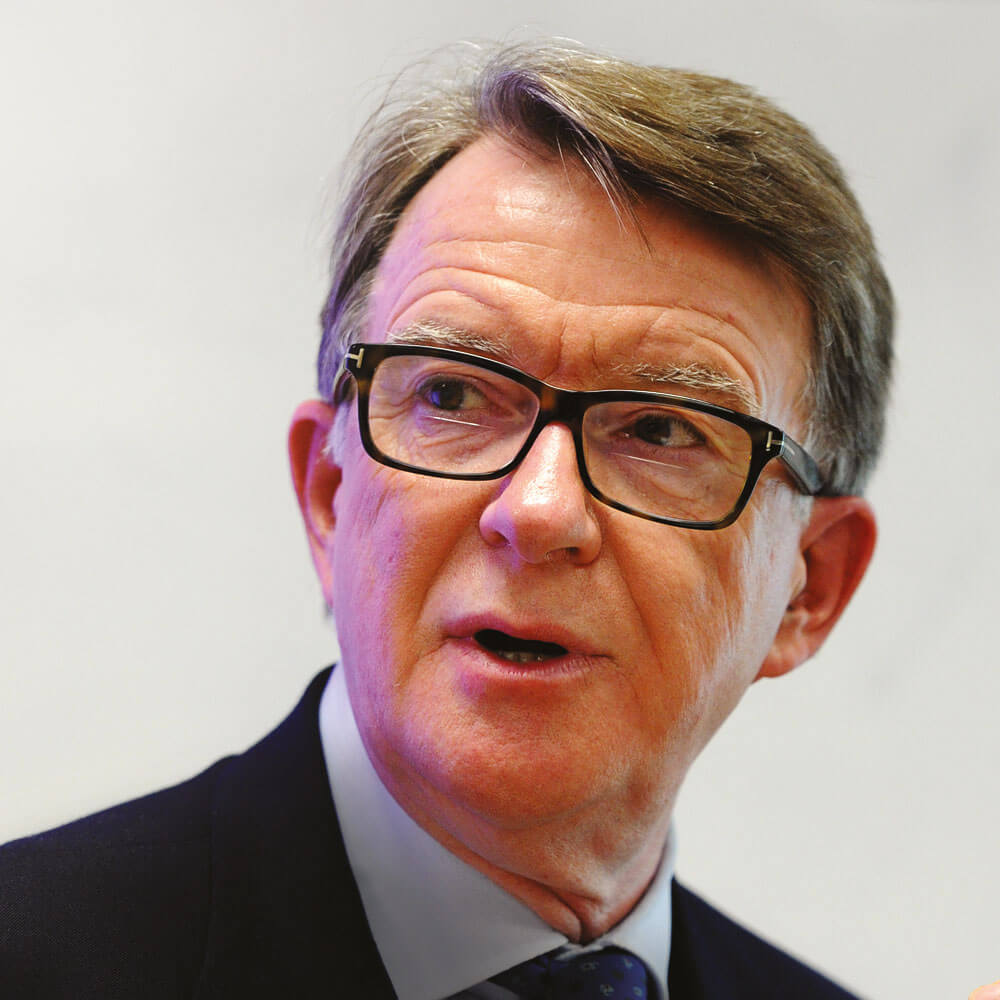
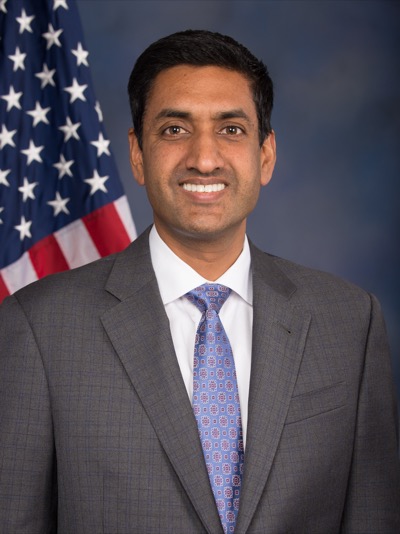
The House Oversight Committee expanded its investigation this week, issuing additional subpoenas beyond those for Wexner and Peter Mandelson. Committee Chairman Ro Khanna stated the panel will examine both Epstein’s activities and the institutional failures that enabled them.
Khanna previously demanded the release of names that remain redacted despite the Transparency Act. One lawmaker named six men still hidden in the files despite statutory requirements for disclosure.
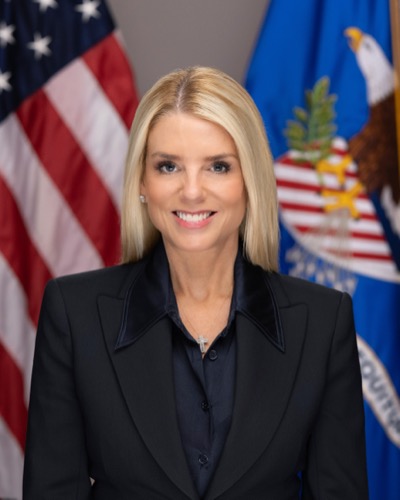
The Justice Department defended its redaction decisions, with Attorney General Pam Bondi testifying that ongoing investigations and privacy concerns justify withholding certain names. The FBI provided its explanation in a letter to Congress, citing specific legal exemptions.
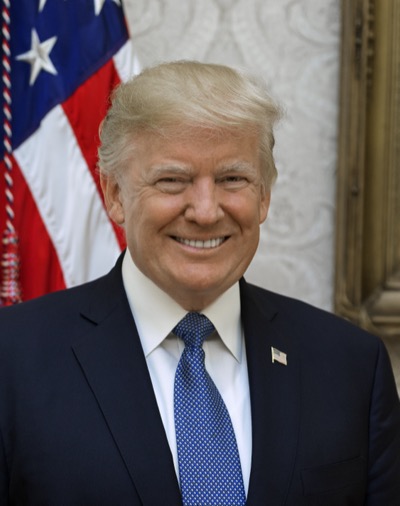
Some lawmakers accused the Trump DOJ of a cover-up over the extent of redactions. President Trump called for ending the investigation, stating the matter had been “investigated enough.”
The Transparency Act requires disclosure but includes exemptions for ongoing investigations and national security.
Legal Actions Advance
A federal court allowed a lawsuit against Bank of America to proceed, rejecting the bank’s motion to dismiss trafficking-related claims. Plaintiffs allege the bank facilitated Epstein’s operation by processing suspicious transactions without proper reporting.
The ruling marks a significant development in civil litigation, establishing that financial institutions can face liability for enabling trafficking operations through their services. Bank of America stated it will vigorously defend against the claims.
The New York Times launched a major investigation into the millions of pages of documents now available. The newspaper assembled a team to analyze correspondence, financial records, and calendar entries spanning decades.
An earlier Times investigation reported on how Epstein maintained access to prominent circles after his conviction, examining law enforcement, prosecution, and judicial decisions in the case.
Public Reaction Intensifies
Podcast host Joe Rogan — whose name appeared in a 2017 email where Epstein asked physicist Lawrence Krauss to introduce them, though Rogan never responded and no meeting occurred — said the files “scare the hell out of me” during his broadcast this week, reflecting broader public reaction to the scope of connections revealed. Newly released video from Epstein’s office showed interactions with visitors whose identities remain under analysis.
Media mogul Michael Ferro canceled a last-minute meeting with Epstein, according to correspondence. Piers Morgan appeared 29 times in the files, primarily in connection with social events and potential media projects.
One senator blocked files after receiving a donation, according to campaign finance records reviewed alongside the document timeline. Bondi faced accusations from congressional Democrats of tracking their Epstein file searches.
Congressional hearings continue next week with testimony from subpoenaed witnesses. Additional document releases are scheduled under the Transparency Act’s rolling disclosure requirements. Multiple federal and state investigations remain active despite the President’s stated position that the matter should be closed.
 Brad Karp
 David Stern
 Donald Trump
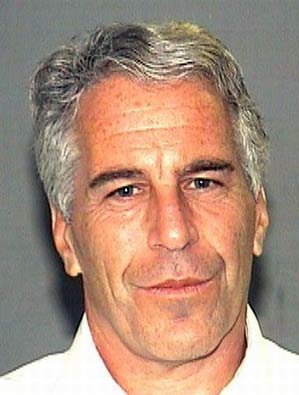 Jeffrey Epstein
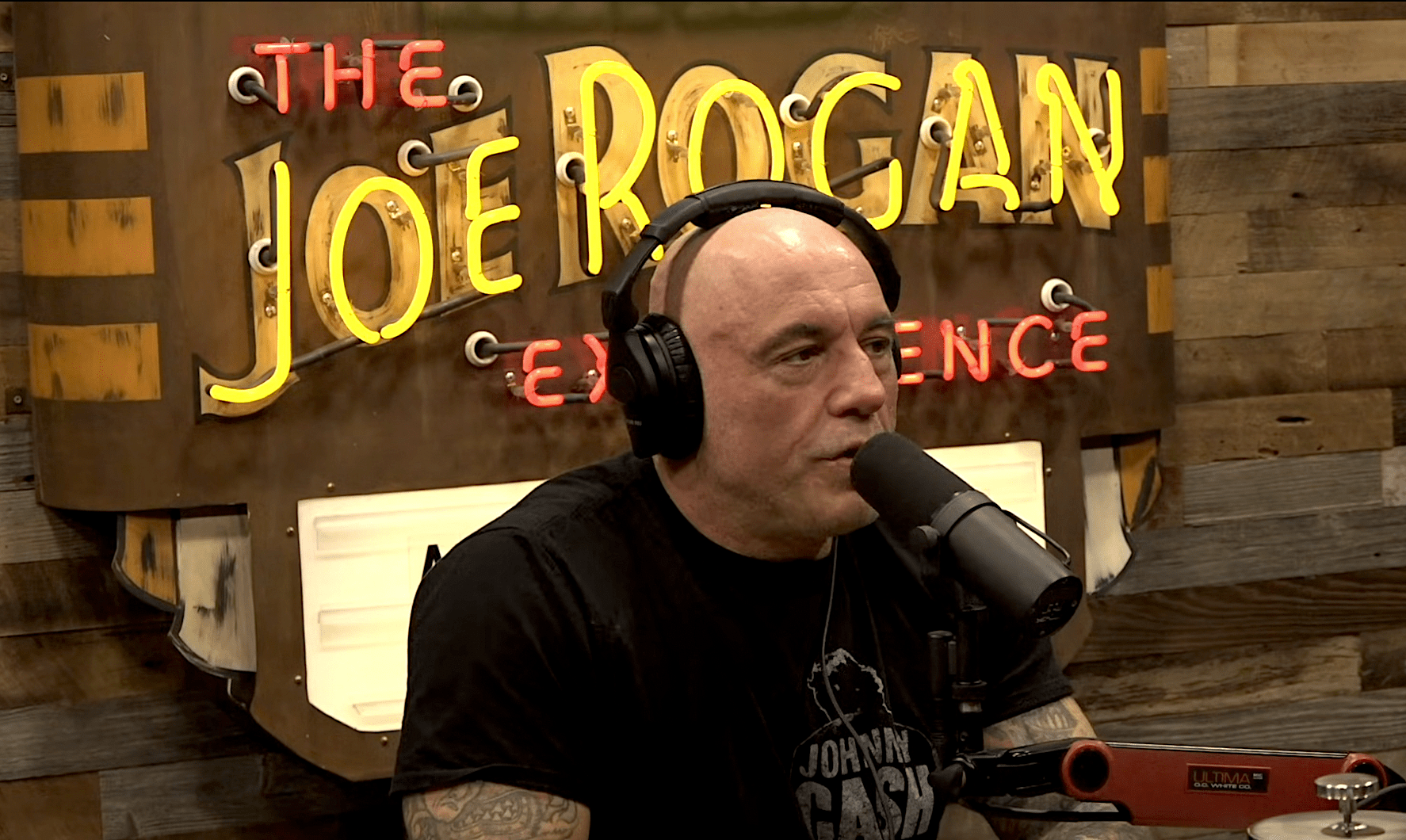 Joe Rogan
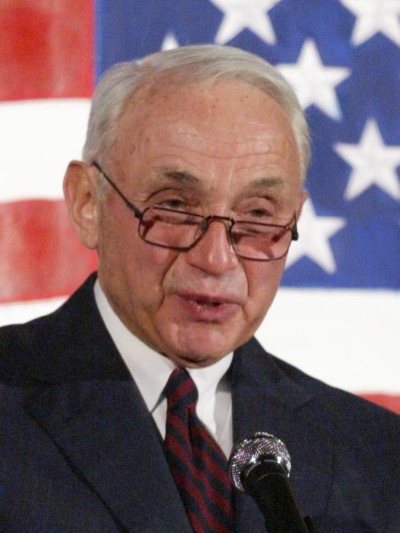 Leslie Wexner
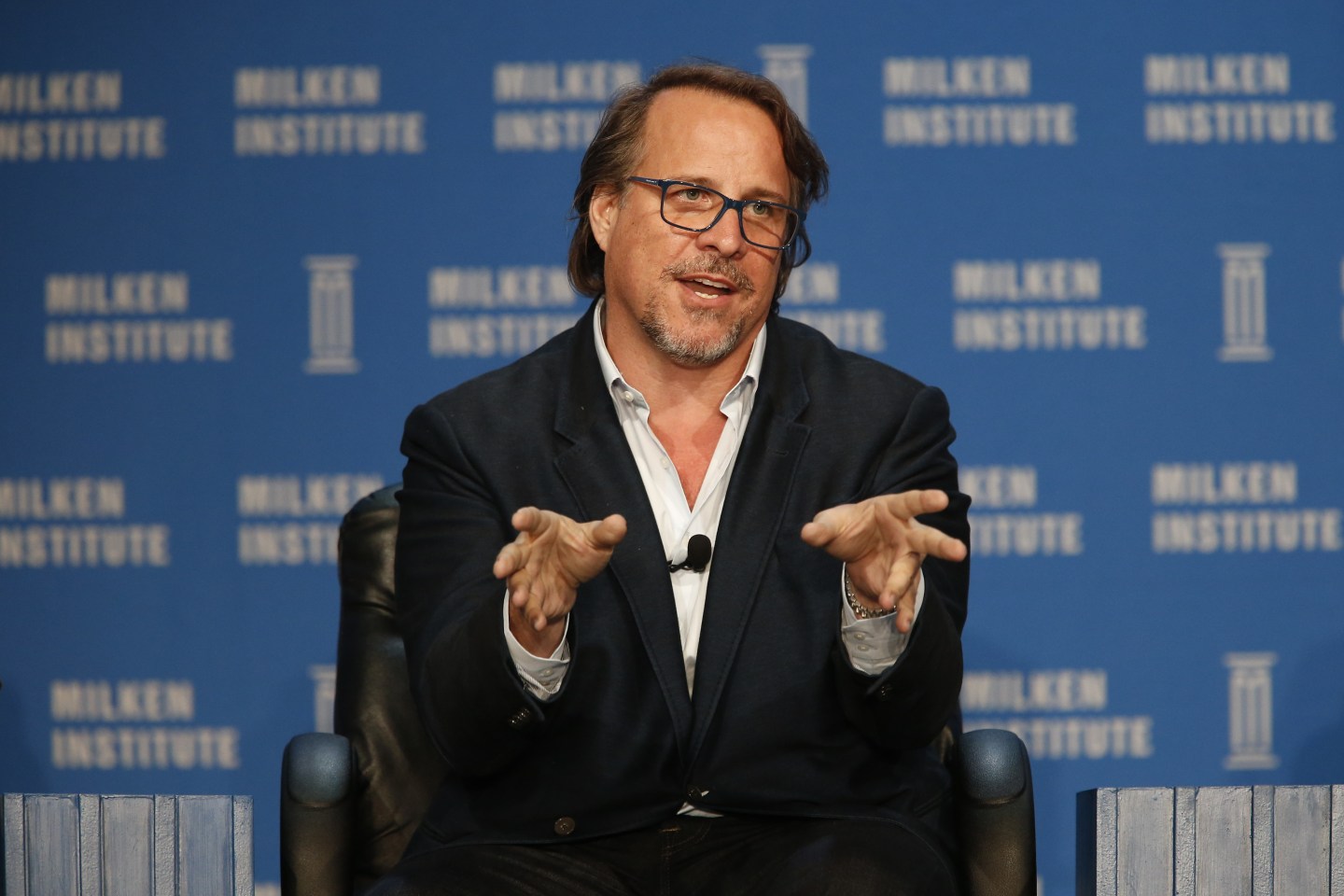 Michael Ferro
 Pam Bondi
 Peter Mandelson
 Piers Morgan
 Ro Khanna