Kirkland & Ellis Internal Feuding Secured Epstein Plea Deal: Law.com

Key Takeaways
- ▶ Kirkland & Ellis attorneys experienced internal feuding and friction while securing Jeffrey Epstein's 2008 plea deal, Law.com reports.
- ▶ The agreement allowed Epstein to plead guilty to state charges of soliciting a minor, serving just 13 months with work release.
- ▶ Federal prosecutors led by Alexander Acosta granted immunity to potential co-conspirators as part of the deal.
- ▶ A federal judge ruled in 2019 that the non-prosecution agreement was illegally negotiated without notifying victims.
A new report details how attorneys at Kirkland & Ellis navigated internal conflicts and external pressure to secure the controversial 2008 plea deal that allowed Jeffrey Epstein to avoid federal prosecution on charges of sexually abusing minors.1
According to Law.com, the legal maneuvering behind Epstein’s non-prosecution agreement involved significant friction both within the high-powered law firm and between defense attorneys and federal prosecutors.1
The 2008 deal allowed Epstein to plead guilty to two state charges of soliciting a minor in Florida and serve just 13 months in county jail with work release privileges, despite a federal investigation that identified dozens of underage victims.1 The agreement also granted immunity to potential co-conspirators, a provision that later drew intense scrutiny.
Defense Strategy and Internal Tensions
Law.com’s reporting describes feuding and friction among the legal team as they worked to negotiate terms favorable to their client.1 The report indicates that Kirkland & Ellis attorneys managed these internal challenges while simultaneously pressing federal prosecutors to accept a plea deal that would keep Epstein out of federal prison.
The plea agreement was negotiated primarily with the U.S. Attorney’s Office for the Southern District of Florida, then led by Alexander Acosta, who later served as U.S. Secretary of Labor before resigning in 2019 amid renewed scrutiny of his role in the Epstein case.1
Kirkland & Ellis is one of the world’s largest and most profitable law firms, known for representing high-profile corporate and individual clients. The firm’s role in securing the agreement has remained a subject of examination as details about Epstein’s crimes continued to emerge.1
Legal Challenges to the Agreement
The 2008 plea deal became the subject of a federal investigation that concluded in 2020, finding that prosecutors had violated the Crime Victims’ Rights Act by failing to notify Epstein’s victims before finalizing the agreement. A federal judge in 2019 ruled the non-prosecution agreement was illegally negotiated.
The ruling came after years of legal challenges by victims’ attorneys, who argued that the secret nature of the plea negotiations violated federal law requiring victim notification in criminal cases.
Epstein was arrested again in July 2019 on federal sex trafficking charges in New York. He died in his Manhattan jail cell on August 10, 2019, in what the New York City medical examiner ruled a suicide. His death prevented a trial on those charges.
The Law.com report provides new insight into how the firm’s attorneys navigated the complex legal and interpersonal challenges of representing Epstein during the initial federal investigation, ultimately achieving an outcome that allowed their client to avoid the lengthy federal prison sentence that prosecutors had initially pursued.1
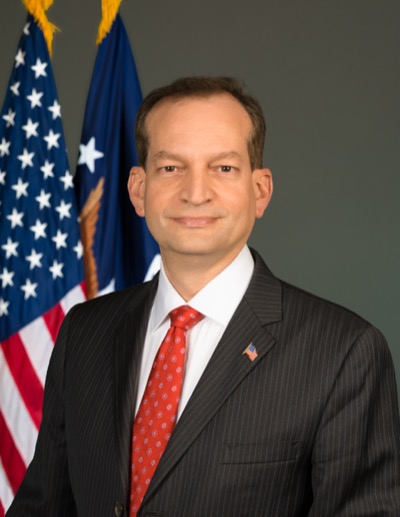 Alexander Acosta
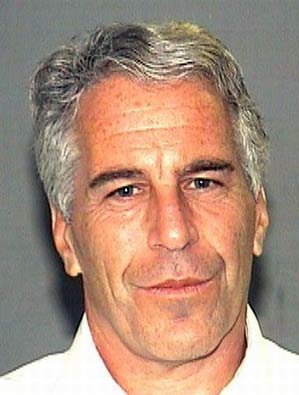 Jeffrey Epstein