Why Epstein Files May Disappoint Investigators: WhoWhatWhy Analysis
Key Takeaways
- ▶ WhoWhatWhy published an analysis arguing the Epstein Transparency Act's document releases may not reveal significant new information.
- ▶ The Epstein Transparency Act, signed in January 2025, requires federal agencies to review and release records related to Jeffrey Epstein and Ghislaine Maxwell.
- ▶ FBI began reviewing Epstein-related documents in compliance with the law's disclosure deadline requirements.
- ▶ Recent reporting revealed FBI missed at least six Epstein storage units and a U.S. Customs inspector visited Epstein's island twice.
WhoWhatWhy published an analysis arguing that the Epstein Transparency Act’s federally mandated document releases may not yield significant new information about Jeffrey Epstein’s activities or associates.1
The outlet’s commentary, titled “Why I Think the Epstein Files Are Likely a Dead End,” expresses skepticism about what the transparency law will reveal.1 The specific arguments presented in the analysis were not detailed in available reporting.
The Epstein Transparency Act became law in January 2025 after passing the House of Representatives by a vote of 382-34.1 President Donald Trump signed the legislation, which mandates federal agencies conduct a comprehensive review of records related to Epstein and his associate Ghislaine Maxwell.
Federal Agencies Begin Document Review
The FBI began reviewing Epstein-related documents in compliance with the law’s requirements.1 Federal agencies must identify, compile, and prepare records for public disclosure, subject to redactions for national security, law enforcement sensitivity, and privacy concerns permitted under the statute.
The transparency legislation followed years of public pressure after Epstein’s August 2019 death in federal custody while awaiting trial on federal sex trafficking charges.1 Epstein had been convicted in 2008 on state charges of soliciting a minor in Florida, receiving an 18-month jail sentence under a controversial plea agreement.
Maxwell was convicted in December 2021 on federal charges of sex trafficking of minors and conspiracy.1 She is serving a 20-year prison sentence for recruiting and grooming underage girls for sexual abuse by Epstein.
Previous Document Releases
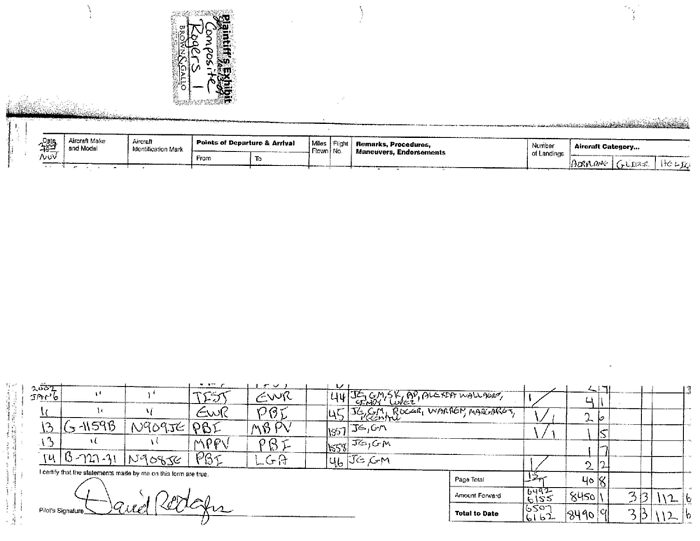
Federal courts have released multiple batches of previously sealed documents related to Epstein in recent years, including materials from a 2015 defamation lawsuit filed by Virginia Giuffre against Maxwell.1 Those releases included deposition transcripts, flight logs, and correspondence that named numerous individuals who had contact with Epstein.
Recent investigative reporting has continued to reveal previously unknown aspects of the case. The Post and Courier reported that a U.S. Customs and Border Protection inspector visited Epstein’s private island twice.1 Separate reporting revealed the FBI missed at least six storage units belonging to Epstein during its initial investigation.1
The WhoWhatWhy analysis comes as agencies work through their records under the law’s mandated timeline for disclosure.1 The statute requires federal agencies to complete their review and release documents according to a specified schedule, though redactions are permitted for specific categories of sensitive information.
 Donald Trump
 Ghislaine Maxwell
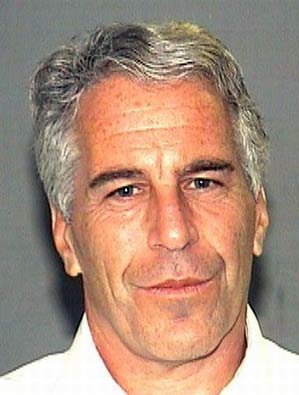 Jeffrey Epstein
 Virginia Giuffre