FBI Explains Why Epstein Files Remain Heavily Redacted
Key Takeaways
- ▶ The FBI cited three justifications for redactions: protecting ongoing investigations, shielding intelligence sources and methods, and preventing harm to individuals not charged with crimes.
- ▶ Rep. Thomas Massie named six individuals on the House floor whose identities had been redacted, including Les Wexner, whom he labeled a co-conspirator.
- ▶ The FBI's explanations came more than a week after AG Pam Bondi faced a five-hour aggressive questioning session before the House Judiciary Committee.
- ▶ Critics question the 'ongoing investigation' rationale given Epstein died in August 2019 and Ghislaine Maxwell was sentenced in June 2022.
- ▶ The Epstein Transparency Act mandated document release, but critics say the FBI's explanations satisfy legal requirements without providing substantive transparency.
The FBI has provided its justifications for redacting portions of the Epstein files, Bloomberg reported Friday.1 The bureau cited three reasons: protecting ongoing investigations, shielding intelligence sources and methods, and preventing harm to individuals not charged with crimes.
Transparency advocates and lawmakers have criticized these justifications, noting that more than six years after Epstein’s death in August 2019 and more than two years after Ghislaine Maxwell’s conviction, many names remain withheld.1
FBI Justifications Questioned
The FBI’s explanations came more than a week after Attorney General Pam Bondi faced questioning from the House Judiciary Committee.2 Members from both parties questioned the DOJ’s handling of the files.
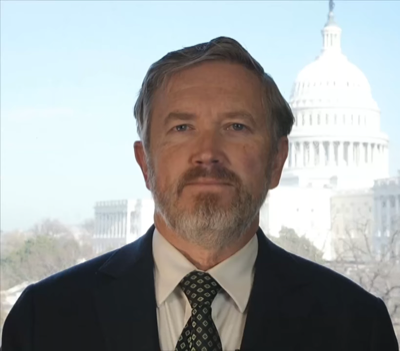
The FBI statement followed Rep. Thomas Massie naming six individuals on the House floor whose identities had been redacted — including billionaire Les Wexner, whom Massie described as a co-conspirator.3
Those disclosures were followed by corporate departures. Goldman Sachs’ top lawyer resigned after emails surfaced.4 Multiple executives left their positions. Academic leaders faced calls to step down.
Intelligence Sources Justification
The FBI’s stated need to protect “intelligence sources and methods” has drawn scrutiny from lawmakers, according to Bloomberg.1 Congressional investigators have asked which intelligence agencies had knowledge of Epstein’s activities and when.
The “ongoing investigation” rationale has also been questioned given that Epstein died in August 2019 and Maxwell was sentenced in June 2022.1 Lawmakers have asked what active investigations require withholding the names of individuals who communicated with a convicted sex trafficker.
The third category — protecting people not charged with crimes — has prompted debate about whether privacy interests outweigh the public interest in disclosure.1
Transparency Act and Compliance
The Epstein Transparency Act mandated the release of documents related to the case. The released documents remain heavily redacted, and critics say the FBI’s explanations satisfy technical legal requirements without providing substantive transparency, according to Bloomberg.1
Congress has the authority to demand unredacted files through its oversight powers. Whether Republican leadership will exercise that authority remains uncertain, particularly after President Trump called for ending the Epstein investigation.1
Redaction Debate
Bloomberg’s reporting does not specify which individuals the FBI seeks to protect, whether any redacted names belong to foreign nationals, or how the bureau distinguishes between the stated justifications.1
Lawmakers and advocacy groups continue to press for specifics on whether redactions serve the stated security purposes.
The FBI has provided its justifications. Congressional investigators have said the explanations lack specificity.1
 Donald Trump
 Ghislaine Maxwell
 Jeffrey Epstein
 Leslie Wexner
 Pam Bondi
 Thomas Massie