CNN Investigation: Epstein Victims Named Other Abusers, FBI Did Not Follow Up
Key Takeaways
- ▶ CNN reviewed more than a dozen FBI interviews in which Epstein victims accused other men by name; the accounts are uncorroborated in the released files.
- ▶ Victims named Wall Street executives, a former senator, a wealthy psychiatrist, and a film producer.
- ▶ One victim accused billionaire Leon Black and former Barclays CEO Jes Staley of assault; both men deny any wrongdoing and neither has been charged.
- ▶ FBI Director Kash Patel said there is 'no credible information' Epstein trafficked victims to others.
A CNN investigation published April 22, 2026 found that more than a dozen Epstein victims told the FBI during interviews that Jeffrey Epstein or Ghislaine Maxwell facilitated sexual encounters with other powerful men, but the released files show little evidence federal agents followed up on those leads.1
The CNN review of FBI interview memos identified victim allegations against more than a half-dozen men, including Wall Street executives, a former U.S. senator, a wealthy psychiatrist, and a Hollywood film producer. According to CNN, the memos redact the victims’ names and do not include corroborating investigative work or details of how agents followed up on the accounts. The allegations described below are drawn from victims’ own statements to the FBI and have not been independently corroborated in the released files.1
Specific Allegations Against Named Men
CNN identified specific allegations against two prominent figures in the documents:
Jes Staley, the former CEO of Barclays and a longtime JPMorgan executive, was named by a victim who told the FBI that Epstein directed her to massage Staley and that he then sexually assaulted her at Epstein’s New York home around 2011 or 2012, according to the CNN report. CNN reported that JPMorgan, in a court filing, identified the man the victim described as Staley.1
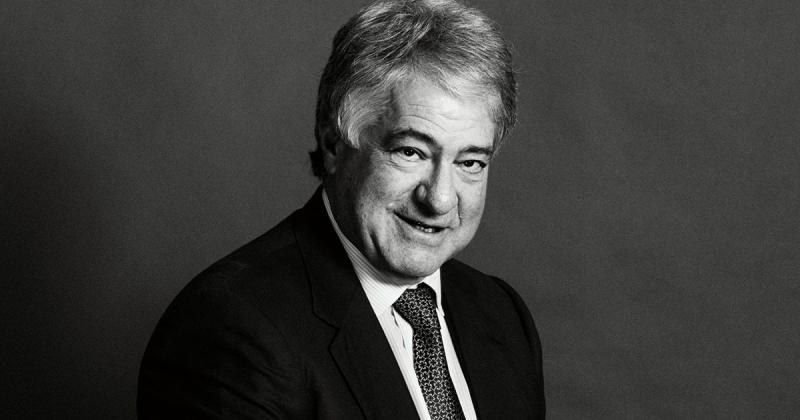
Leon Black, the billionaire co-founder and former CEO of Apollo Global Management, was named in more than one FBI account, CNN reported. One woman said Black became “sexual” during a massage that Epstein arranged and that she fled the room. Separately, a woman told the FBI in 2020 that Black had raped her about six years earlier.1
These accounts are allegations drawn from victims’ FBI interviews; neither man has been charged in connection with them, and both deny wrongdoing. A lawyer for Black told CNN, “Mr. Black has never abused, assaulted, or raped any girl or woman,” and separately said there is “absolutely no truth to any of the allegations against Mr. Black.”13 Staley has denied the assault allegation; in a 2025 court case he said he had no knowledge of Epstein’s abuse of underage girls but acknowledged having had consensual sex with a member of Epstein’s staff.4
Staley was sued by JPMorgan in 2023 over his role in the bank’s long relationship with Epstein; the bank and Staley later reached a settlement.5 Black stepped down as Apollo’s CEO in 2021 after a New York Times report on his ties to Epstein; an internal Apollo review by the law firm Dechert documented that he had paid Epstein about $158 million between 2012 and 2017 for tax and estate-planning work but found no evidence he was involved in Epstein’s crimes.6 Sen. Ron Wyden (D-Ore.), the ranking member of the Senate Finance Committee, has continued to investigate Black’s payments to Epstein, in March 2026 questioning Black over what Wyden called the appearance of “hush money” payments and the surveillance of women.7
FBI’s Stated Position
FBI Director Kash Patel has publicly stated there is “no credible information” that Epstein trafficked his victims to other men, according to CNN. The agency’s position contrasts with the volume of victim accounts the network reviewed in the released files.1
To date, only Epstein and Maxwell have been criminally charged in the United States with sex trafficking related to the case. Epstein died in federal custody in August 2019 while awaiting trial. Maxwell was convicted in December 2021 on five federal counts and is serving a 20-year sentence.
What the Files Don’t Show
The CNN investigation highlights what is missing from the released files as much as what is in them. According to the network, the interview memos reviewed typically:
- Redacted the victims’ names
- Did not include evidence of investigative steps taken to corroborate the accounts
- Did not document whether prosecutors evaluated the allegations for charging decisions
- Did not include records of any interviews with the men named by victims
Moses Castillo, a former Los Angeles Police Department detective who reviewed the files for CNN, said he saw no sign of standard investigative steps. “I don’t see that that led to writing search warrant affidavits to obtain somebody’s computer, somebody’s personnel file, going to different places to get flight records, hotel records,” he told the network. “I don’t see that any of that was done.”1
That gap has fueled bipartisan demands in Congress for the Justice Department to release the underlying investigative materials, including any FBI 302 reports, agent notes, and interview transcripts that go beyond the redacted summaries published so far.
Context
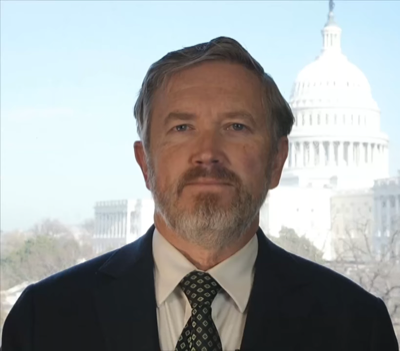
The investigation was published the day before the DOJ Office of the Inspector General announced, on April 23, 2026, an audit of how the department has complied with the Epstein Files Transparency Act, including its processes for redacting and withholding records.8 Members of Congress in both parties have criticized the DOJ over its redactions; survivors and a group of congressional Democrats asked the inspector general in December 2025 to review whether records had been altered, while Republicans including Rep. Thomas Massie have publicly demanded fuller disclosure.8
 Ghislaine Maxwell
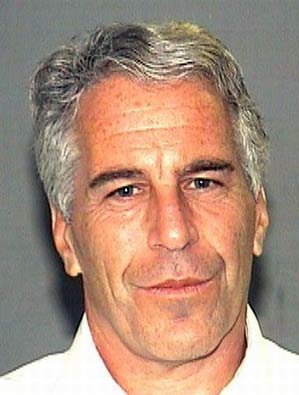 Jeffrey Epstein
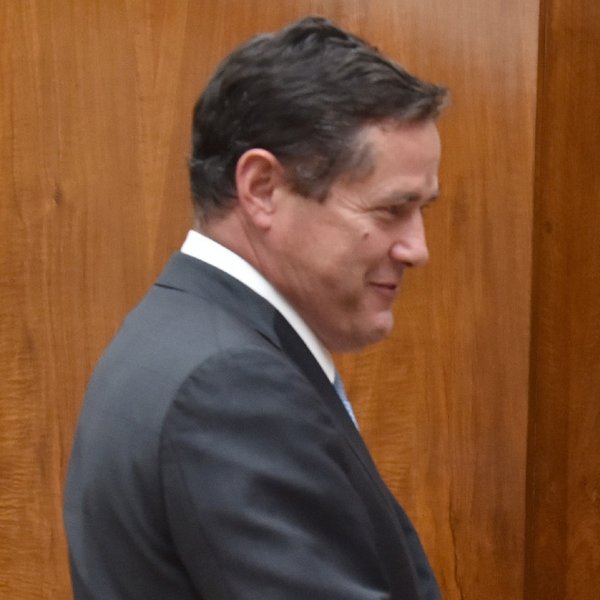 Jes Staley
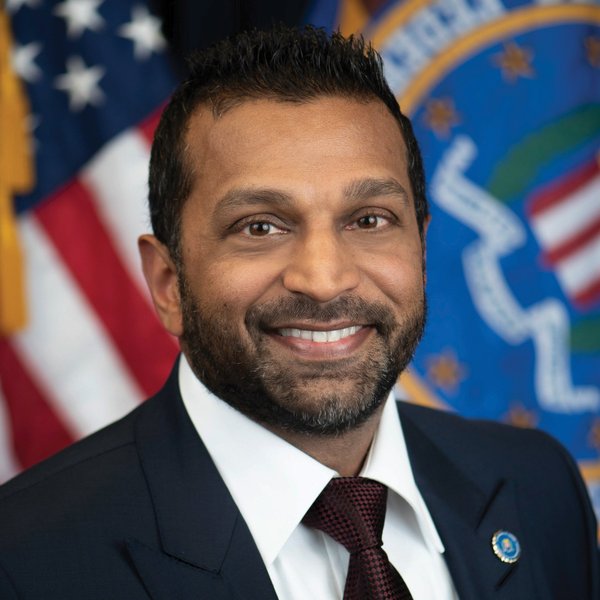 Kash Patel
 Leon Black
 Thomas Massie