After Losing His Primary, Massie Vows to Read Redacted Epstein Names on the House Floor
Key Takeaways
- ▶ Rep. Thomas Massie lost his Kentucky GOP primary to Trump-endorsed Ed Gallrein on May 19, 2026.
- ▶ Massie says he will use his remaining months in office to read redacted Epstein names on the House floor.
- ▶ The Speech or Debate Clause shields members of Congress from liability for statements made in legislative proceedings.
- ▶ Massie has previously named billionaires Leon Black, Jes Staley, and Leslie Wexner from the floor; he says he will read more if survivors compile a list.
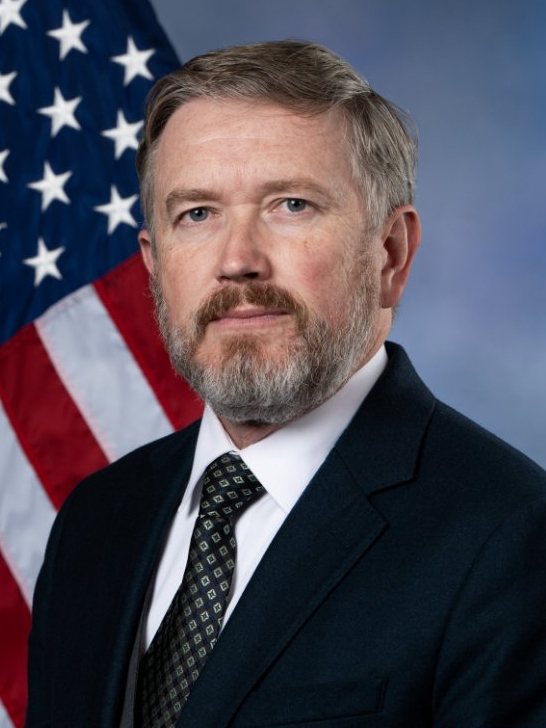
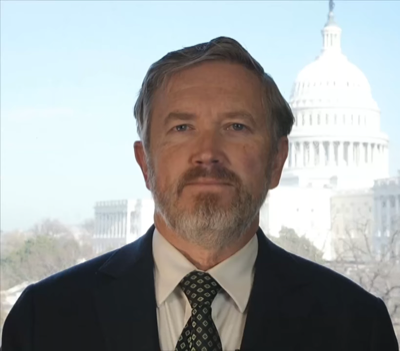
Rep. Thomas Massie, the Kentucky Republican who co-led the legislative push that forced the release of the Epstein files, says that after losing his primary he intends to spend his final months in Congress reading additional redacted names from those files aloud on the House floor.1
Massie lost the May 19, 2026 Republican primary in Kentucky’s 4th Congressional District to Ed Gallrein, a challenger backed by President Donald Trump, in what Newsweek described as the most expensive House primary election in U.S. history. Trump had targeted Massie after the congressman repeatedly broke with him — most prominently by advancing legislation to force the public release of the government’s Epstein records. Massie’s term runs through January 2027.1
The Speech or Debate Strategy
Massie’s plan relies on the Constitution’s Speech or Debate Clause, which protects members of Congress from being “questioned in any other Place” for statements made in the course of legislative business. In practice, that gives a lawmaker legal immunity to say things on the House floor — including names the executive branch has kept redacted — without fear of prosecution or a defamation suit.
In an interview on NBC’s Meet the Press, host Kristen Welker asked whether he would name more names in the coming weeks and months; Massie answered simply: “Yes.”1 He has signaled that survivors could shape the list. According to The Source, Massie has said that if Epstein survivors compile a list of names, he will read those names on the floor under the protection of the clause.2
This would not be the first time. Massie has previously used floor speeches to name billionaires connected in reporting to Epstein — among them Leon Black, the former Apollo Global Management chief executive; Jes Staley, the former Barclays CEO; and Leslie Wexner, the founder of L Brands.2 “I’ve released at least three names of billionaires who are implicated in this,” he said, vowing to continue.1 None of the three has been charged with any crime in connection with Epstein, and all have denied wrongdoing.
”Millions of Documents” Still Withheld
Massie frames the floor readings as a response to what he calls the Justice Department’s failure to comply with the law he helped write. He has accused Acting Attorney General Todd Blanche of not fully complying with the bipartisan Epstein Files Transparency Act, asserting that millions of pages remain withheld from the public.2
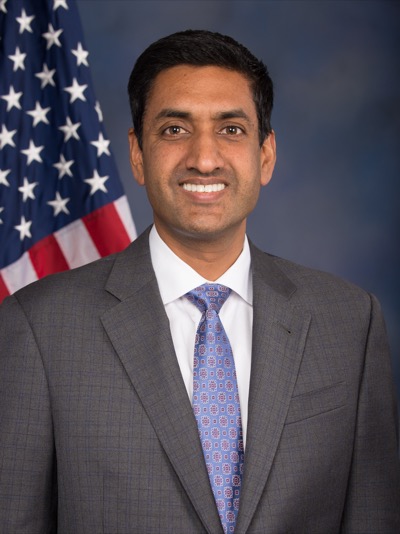
His Democratic co-author, Rep. Ro Khanna of California, has argued that the disclosures should not have to come down to a single member reading names into the record. Khanna said “it shouldn’t have to come to that” — that the department should release the material as the statute requires rather than forcing lawmakers to invoke constitutional immunity to get names into the public domain.2
What Is and Is Not Established
What is established is that Massie, freed from reelection concerns by his primary defeat, has publicly committed to reading additional redacted names on the floor before he leaves Congress, and that he has done so before. What is not established is which names he will read, when, or on what evidentiary basis — and being named on the House floor is not an accusation that has been tested in court. Massie’s previous floor naming of Black, Staley, and Wexner has not resulted in charges against any of them. The Speech or Debate Clause protects the speaker; it does not establish the truth of what is said.
Documents
- Epstein Files Transparency Act — full text (H.R. 4405) — The law Massie co-authored and accuses the Justice Department of flouting.
- DOJ Epstein Library — The released files Massie says remain incomplete, with millions of pages still withheld.
 Donald Trump
 Jeffrey Epstein
 Jes Staley
 Leon Black
 Leslie Wexner
 Ro Khanna
 Thomas Massie
 Todd Blanche