Bondi Defends Epstein Files Handling in Closed-Door House Interview, Concedes 'Redaction Errors'
Key Takeaways
- ▶ Former AG Pam Bondi sat for a transcribed House Oversight interview on May 29, 2026.
- ▶ She defended the DOJ's release of the Epstein files but conceded the department made 'redaction errors.'
- ▶ Bondi said acting AG Todd Blanche oversaw the process of publishing the files.
- ▶ She declined to discuss President Trump's involvement; Democrats faulted the GOP for not videotaping the interview.
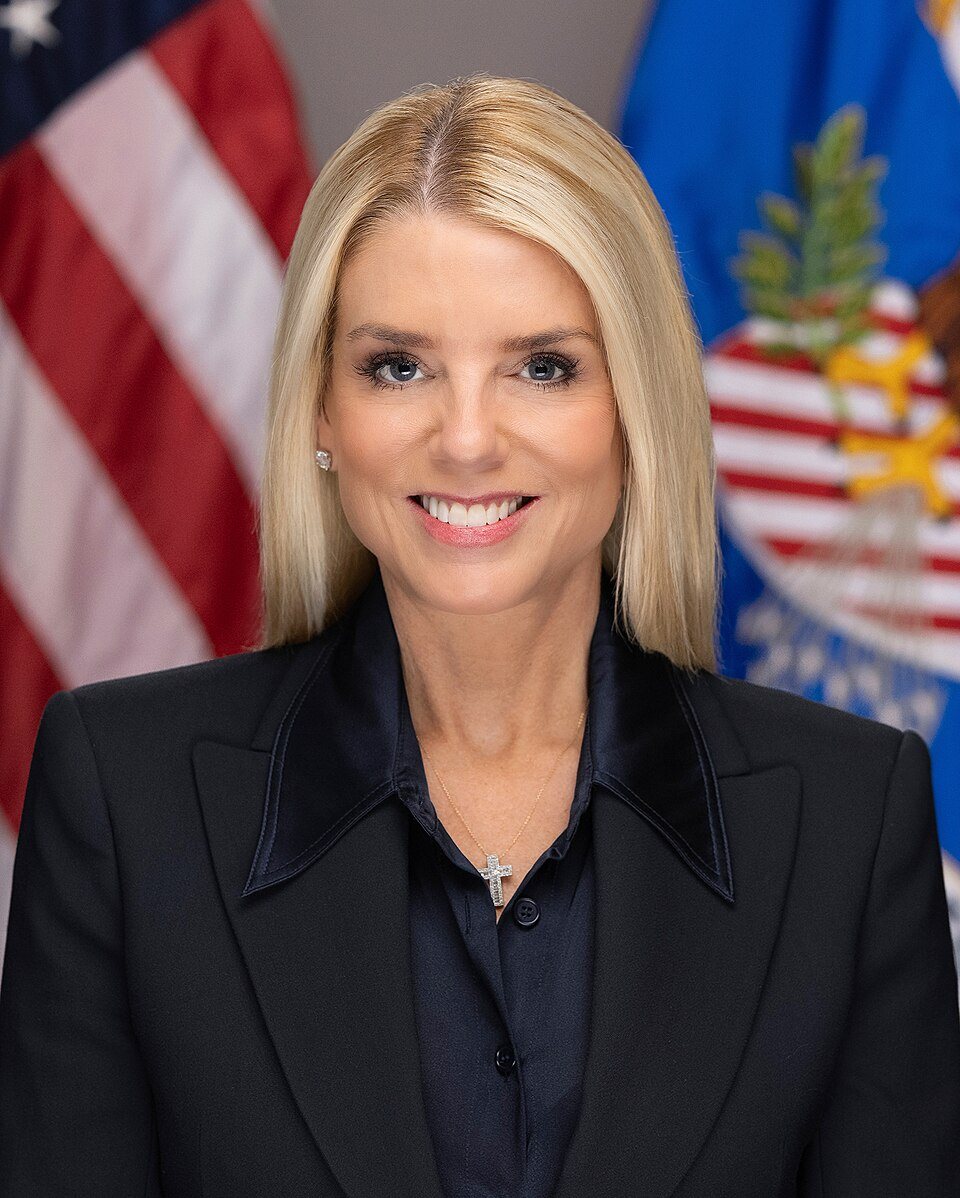
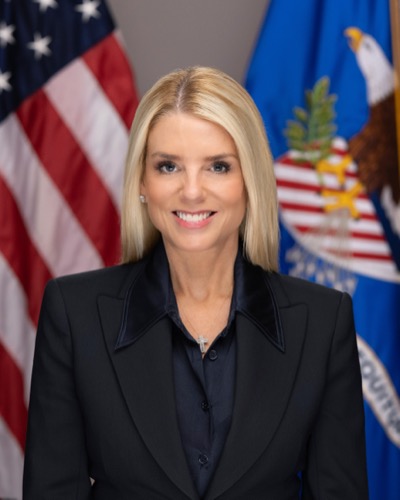
Former Attorney General Pam Bondi defended the Trump administration’s handling of the Epstein files during a closed-door interview with the House Oversight Committee on May 29, 2026, telling lawmakers the Justice Department had delivered transparency even as she acknowledged the department made errors in redacting the documents.12
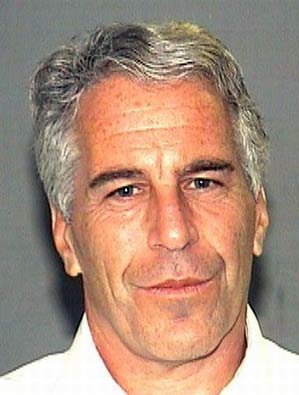
“The bottom line is: justice and transparency in this matter have been delivered at the direction of President Trump and his administration,” Bondi said in her opening statement, according to the Associated Press. She described the disclosure of records on Jeffrey Epstein as “an enormously complicated and labor-intensive process.”1
Bondi sat for a transcribed interview rather than a sworn deposition — an arrangement Democrats agreed to only after months of conflict. She conceded that the Justice Department “had made redaction errors,” a reference to releases that exposed personal information and, in some cases, nude images of potential victims.23
Pointing to Blanche
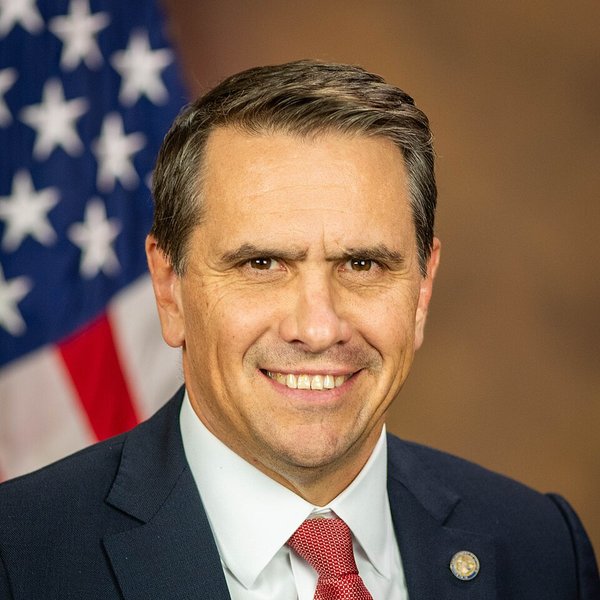
In her opening remarks, Bondi told lawmakers that Todd Blanche — Trump’s former personal attorney, who has served as acting attorney general since Bondi was fired — “had overseen the process to publish” the Epstein files.2 The framing effectively placed the mechanics of the troubled release with her successor, even as she defended the administration’s overall record.
Bondi led the department when the releases drew the harshest criticism, including from Epstein survivors whose identities were exposed. Trump fired her on April 2 after growing frustrated with her handling of the files, and Blanche has run the department in an acting capacity since.4
Declining to Discuss Trump
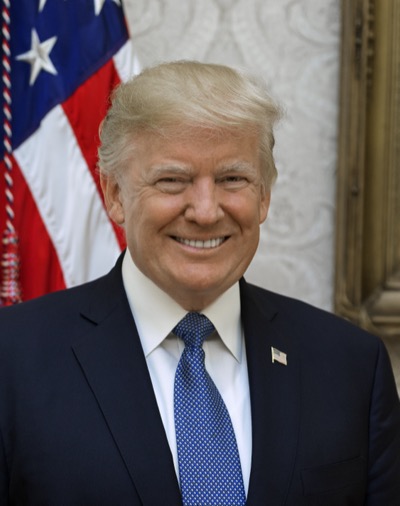
Bondi declined to answer questions about President Donald Trump’s own involvement. Democratic lawmakers said she told them at the outset she would not speak about the president, citing the terms of her voluntary appearance. When Democratic Rep. James Walkinshaw asked about the extent of Trump’s knowledge, Bondi answered, “I’m not certain of the extent of his knowledge,” according to the Associated Press.2
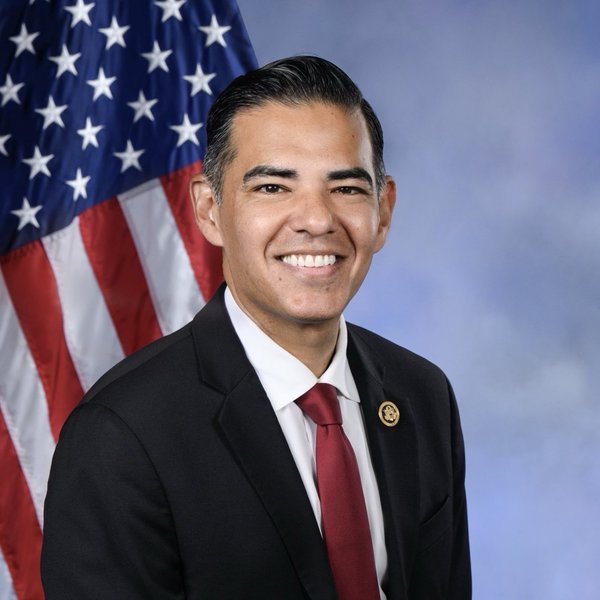
Democrats left frustrated. Rep. Yassamin Ansari of Arizona said, “I think she absolutely could clear up many missing pieces if she wanted to.”1 Rep. Robert Garcia of California, the panel’s ranking Democrat, objected to the format itself: “We continue to be incredibly disappointed of the decision to not have this interview videotaped” and released to the public.12
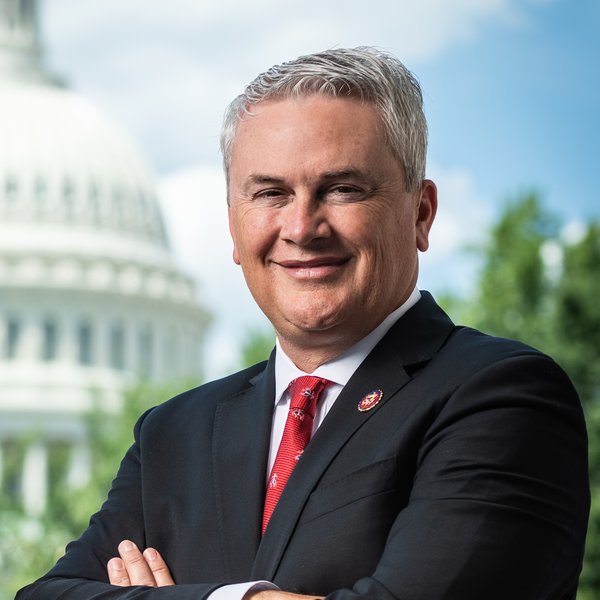
Republican Chairman James Comer of Kentucky struck a more conciliatory note toward the survivors who have pressed the committee for answers. “We want justice for the survivors, we do,” he said.3
How It Came to This
Bondi’s appearance was the product of a months-long standoff. The committee subpoenaed her over the Epstein files, and she did not appear for a scheduled deposition on April 14. Garcia and Oversight Democrats then moved to hold her in civil contempt of Congress — a resolution that would have directed the House to go to court to compel her testimony. Bondi ultimately agreed to the transcribed interview instead, a format that allowed her, with a Justice Department lawyer present, to decline certain questions.1
The session unfolded against the backdrop of a separate Justice Department inspector general investigation, opened in April, into whether the department complied with the Epstein Files Transparency Act, and amid continued bipartisan complaints that heavy redactions have shielded politically connected figures named in the files.5
What Is Established
Bondi has now given Congress an on-the-record defense of the administration’s handling of the files while conceding that redaction errors occurred and attributing the publication process to Blanche. What she did not provide — by her own choice — was any account of the president’s knowledge or role. Because the interview was transcribed but not recorded on video, the public will see a transcript rather than her testimony itself, a point Democrats said undercuts the committee’s stated goal of transparency.
Documents
- DOJ — “Department of Justice Publishes 3.5 Million Responsive Pages” (Justice.gov) — The release Bondi defended in her interview.
- DOJ Epstein Library — The department’s public repository of released Epstein files.
 Donald Trump
 James Comer
 Jeffrey Epstein
 Pam Bondi
 Robert Garcia
 Todd Blanche