NYT Launches Major Investigation Into Millions of Epstein Files
Key Takeaways
- ▶ The New York Times has assigned 24 journalists to analyze millions of pages of Epstein documents released under the Epstein Transparency Act.
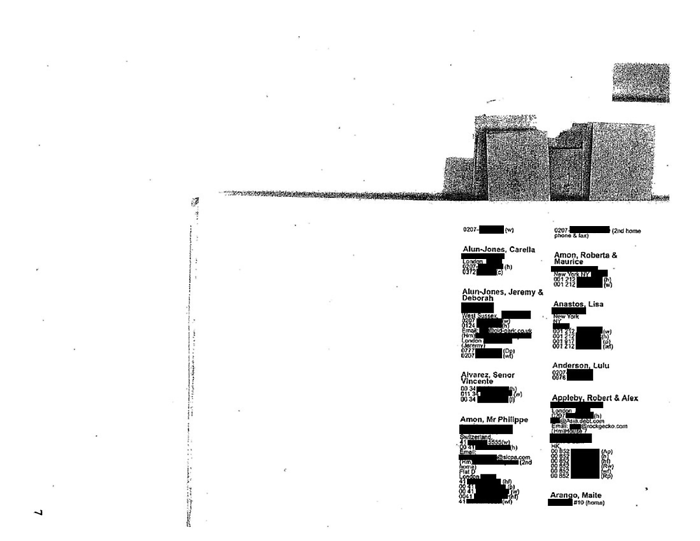
- ▶ If printed, the documents would physically stack as high as the Empire State Building—approximately 1,454 feet.
- ▶ The Times describes its effort as a search for 'the next revelation,' indicating the paper expects to uncover new, unreported information.
- ▶ The investigation represents one of the largest journalistic resource commitments to the Epstein case since the files' release.
The New York Times has assigned 24 journalists to analyze a trove of Jeffrey Epstein documents that would physically stack as high as the Empire State Building if printed, according to an article the Times published February 13, 2026.1 The team includes journalists Patrick Healy, Steve Eder, Andrew Chavez, Kirsten Danis and Dylan Freedman, among others.2
The investigation, one of the largest journalistic resource commitments to the Epstein case by any single outlet, comes two weeks after the January 30, 2026 DOJ release of approximately 3 million pages, 180,000 images and 2,000 videos related to Epstein’s activities under the Epstein Transparency Act.1
Scale of the Document Review
The Times reported that its 24-person team is combing through three million pages of heavily redacted content alongside the released images and video files.12 Adding to the difficulty are duplicate documents, inconsistent redactions and numerous typographical errors attributed to both Epstein and software used in the digitization process.2
The investigation follows the Times’ earlier reporting series titled “The Epstein Files and the Hidden World of an Unaccountable Elite.”1
Early Findings
Times journalists have described several preliminary findings from their document review. Journalist Eder confirmed that text messages between Epstein and former Trump adviser Steve Bannon prompted inquiries about a photograph of President Donald Trump.2 The team also found a document compiled by investigators containing more than a dozen tips about Trump and Epstein, including claims about sexual abuse, though the journalists reported the claims could not be corroborated because they contained no names and no dates.2
Journalist Freedman described the files’ use of coded language to describe young girls and the photographs of them as “grossly disturbing,” reporting that Epstein “objectified and dehumanized women and girls” in his records.2 The Times separately reported that its journalists found nearly 40 unredacted nude photographs of “young women or possibly teenagers” on the Justice Department website that housed the disclosures.2
Eder noted that the files reveal Epstein’s method of using gifts to gain access to powerful people, with the financier placing great value in “claiming to know things about them.”2
Fallout From the Files
The document releases have already produced significant consequences. Goldman Sachs top lawyer Kathryn Ruemmler resigned after her email correspondence with Epstein was revealed. DP World chairman Sultan Ahmed bin Sulayem, who appeared more than 4,700 times in the files according to the Times, departed his position. Congress issued subpoenas for Les Wexner and Lord Peter Mandelson. Former Norwegian prime minister Thorbjorn Jagland was charged with aggravated corruption related to his contacts with Epstein.12
The investigation continues amid bipartisan pressure on Attorney General Pam Bondi over the scope of redactions in the released materials. The timeline for publication of the Times’ full findings has not been disclosed.1
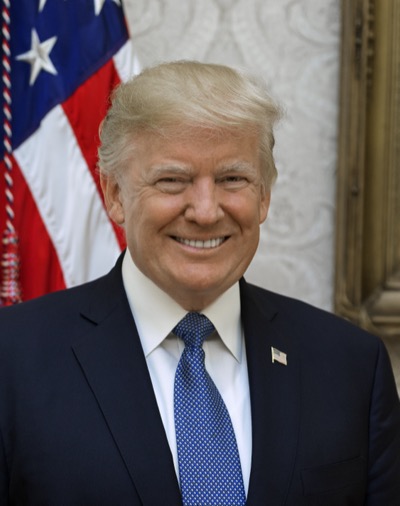 Donald Trump
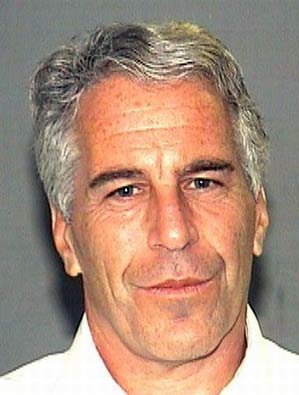 Jeffrey Epstein
 Kathryn Ruemmler
 Leslie Wexner
 Pam Bondi
 Peter Mandelson
 Steve Bannon
 Sultan Ahmed Bin Sulayem
 Thorbjorn Jagland