DOJ Releases Names Under Epstein Act; Lawmakers Call Disclosure Incomplete
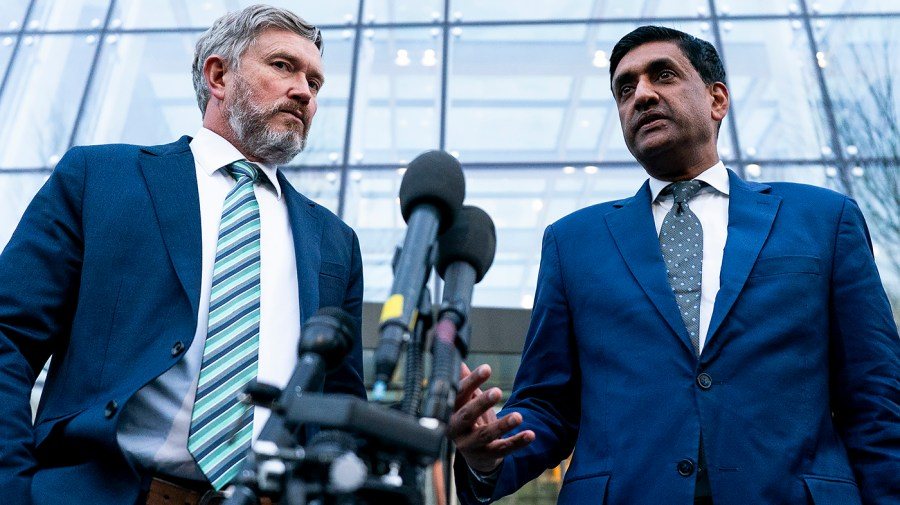
DOJ Name Release Draws Bipartisan Criticism on Capitol Hill
The Justice Department released what lawmakers say is its final disclosure under the Epstein Files Transparency Act on Wednesday, sparking an immediate backlash from members of Congress who say the release falls far short of the law’s requirements.2
The disclosure consisted of a list of names drawn from previously public court filings — a collection described by The Hill as “disparate as Janis Joplin, Julian Assange and former Vice President Dick Cheney.”2 Critics on both sides of the aisle have accused the DOJ of treating the transparency mandate as a formality rather than conducting the comprehensive records review the statute demands.2
The Transparency Act, which passed with bipartisan support in late 2024, required the Attorney General and other agency heads to search their records systems and produce documents related to Epstein’s activities, associates, and federal investigations — not simply republish information already available through court proceedings.2
Garcia: DOJ Disclosure ‘Not What Congress Intended’
Rep. Robert Garcia (D-Calif.), the ranking Democrat on the House Oversight Committee, said the DOJ’s release does not meet the standard Congress set when it passed the act. Garcia told reporters the disclosure amounted to a repackaging of public records rather than a genuine effort to surface new information about Epstein’s network.2
The criticism centers on the absence of FBI investigative files, prosecutorial records from the Southern District of New York, and internal correspondence between federal officials and Epstein’s legal team. Legal experts and transparency advocates told The Hill the disclosure may not satisfy the statute’s mandate.2
Congressional oversight committees retain the authority to compel additional disclosures if agencies are found to be in noncompliance with the law, and several lawmakers have signaled they intend to pursue that route.2
Same-Day Wexner Deposition Heightens Scrutiny
The DOJ release landed on the same day as an eight-hour deposition of billionaire Leslie Wexner by the House Oversight Committee in New Albany, Ohio.1 Garcia called Wexner’s testimony “inadequate,” saying the former Victoria’s Secret owner “denied everything” about his knowledge of Epstein’s crimes despite the Justice Department’s designation of Wexner as a “co-conspirator” in the released files.1
No Republican members attended the Wexner deposition in person — a mirror image of the January Clinton depositions in Washington, which Democrats skipped.1 The partisan divide over witness attendance has become a defining feature of the Oversight Committee’s Epstein investigation, raising questions about whether either party is pursuing a complete accounting.
What Comes Next
Lawmakers have not yet announced formal oversight hearings on the DOJ’s compliance with the Transparency Act, but Garcia’s public statements suggest Democrats will push for additional disclosures. The question now is whether the committee can build bipartisan support for compelling the Justice Department to produce the investigative records, internal documents, and agency communications that the law was designed to surface.2
The stakes extend beyond this single disclosure. If the DOJ’s interpretation of the Transparency Act stands — that releasing a list of names from existing court filings satisfies the statute — it would set a precedent that could limit the effectiveness of the law Congress intended as a tool for full public accountability.2
 Donald Trump
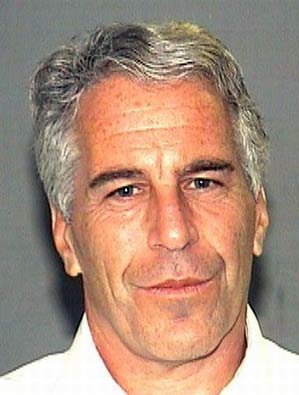 Jeffrey Epstein
 Leslie Wexner
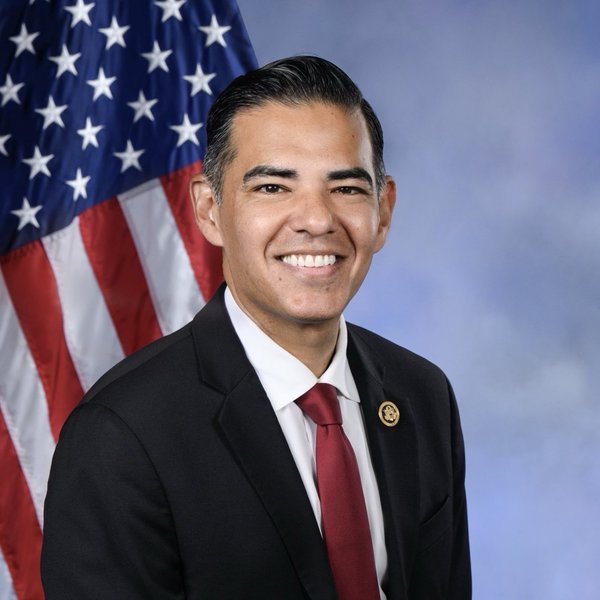 Robert Garcia