AG Bondi Defends Complete Epstein File Release as Lawmakers Demand More
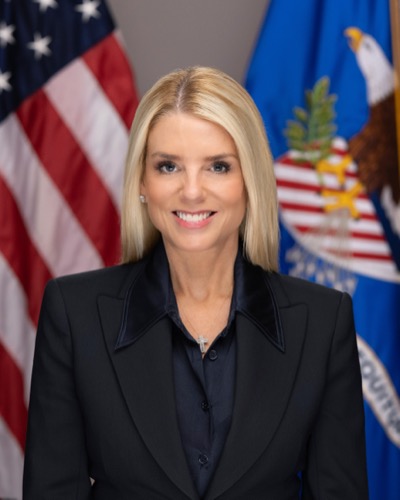
Attorney General Pam Bondi told lawmakers last week that all Jeffrey Epstein files have been released by the Department of Justice, according to the BBC.1 Members of Congress who wrote the law mandating the release have stated that claim is inaccurate.
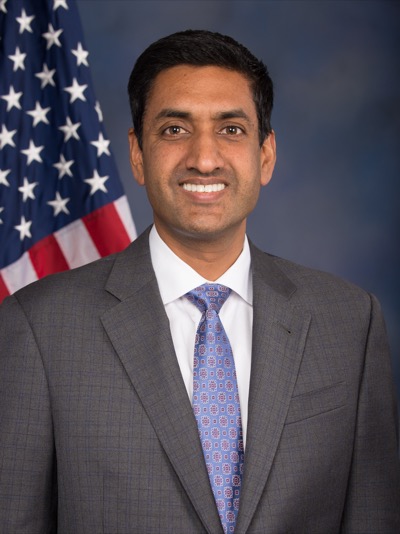
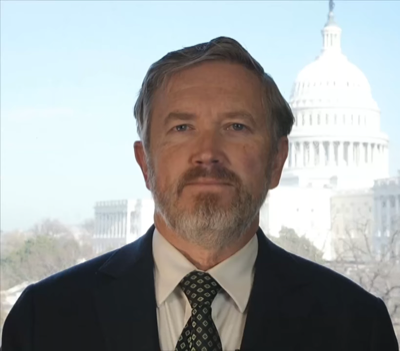
Rep. Thomas Massie and Rep. Ro Khanna accused the DOJ of releasing an incomplete document set and using what they described as confusing tactics to obscure which individuals had genuine connections to Epstein.1 The criticism centers on a DOJ letter that listed names found in Epstein’s records alongside individuals who appear to have no connection to the financier.
The dispute is the latest point of contention between Congress and the Justice Department over implementation of the Epstein Transparency Act, which President Trump signed into law last month.
Dead Celebrities in DOJ Letter
The Justice Department’s February letter to Congress included Janis Joplin, the rock singer who died in 1970, more than two decades before Epstein became publicly known, according to the BBC.1 Khanna pointed to Joplin’s inclusion as evidence the DOJ was “muddying the waters” on which names represented actual Epstein contacts.
“They’re purposefully muddying the list,” Khanna said, according to reports.1 The California Democrat stated the DOJ mixed names of documented Epstein associates with celebrities and public figures who had no documented relationship with him.
Attorney General Bondi previously named several deceased celebrities during congressional testimony, including individuals who died before Epstein’s social network took shape in the 1990s.
Lawmakers Challenge ‘All Files Released’ Claim
Massie, the Kentucky Republican who co-sponsored the Epstein Transparency Act, rejected Bondi’s assertion that the DOJ has completed its document release obligations. “Lawmakers, including those who wrote the law requiring their publication, argue the release is insufficient,” the BBC reported.1
The law required the FBI and DOJ to review classified and unclassified records related to Epstein and release documents that would not compromise ongoing investigations or national security. Previous FBI statements indicated the bureau holds thousands of files on Epstein’s network and related investigations.
Massie stated during an interview that Bondi “was afraid to look at” Epstein survivors who attended last week’s congressional hearing.1 The comment followed Massie’s earlier statement that he had lost confidence in Bondi over her handling of the document release.
Technical Compliance vs. Legislative Intent
The dispute centers on whether the DOJ has met the requirements of the Epstein Transparency Act. The law mandated release of files related to Epstein’s criminal activities and associated individuals.1
DOJ officials have stated the releases meet statutory requirements. Bondi told the House Judiciary Committee the department has published all releasable documents under the act’s provisions for protecting ongoing investigations and classified information.
Congressional critics counter that the volume of released material falls short of the FBI’s documented holdings.1 The New York Times obtained access to millions of Epstein files for an investigation, indicating records exist beyond what DOJ has made public.
The Justice Department has maintained heavy redactions in released documents, citing protection of investigation sources and methods. Congressional Republicans and Democrats have both characterized these redactions as excessive.
Prior Disputes Over Releases
The current dispute follows weeks of contention between Congress and the Trump administration over Epstein files. Massie and other lawmakers accused the DOJ of covering up names through extensive redactions in the initial document release.
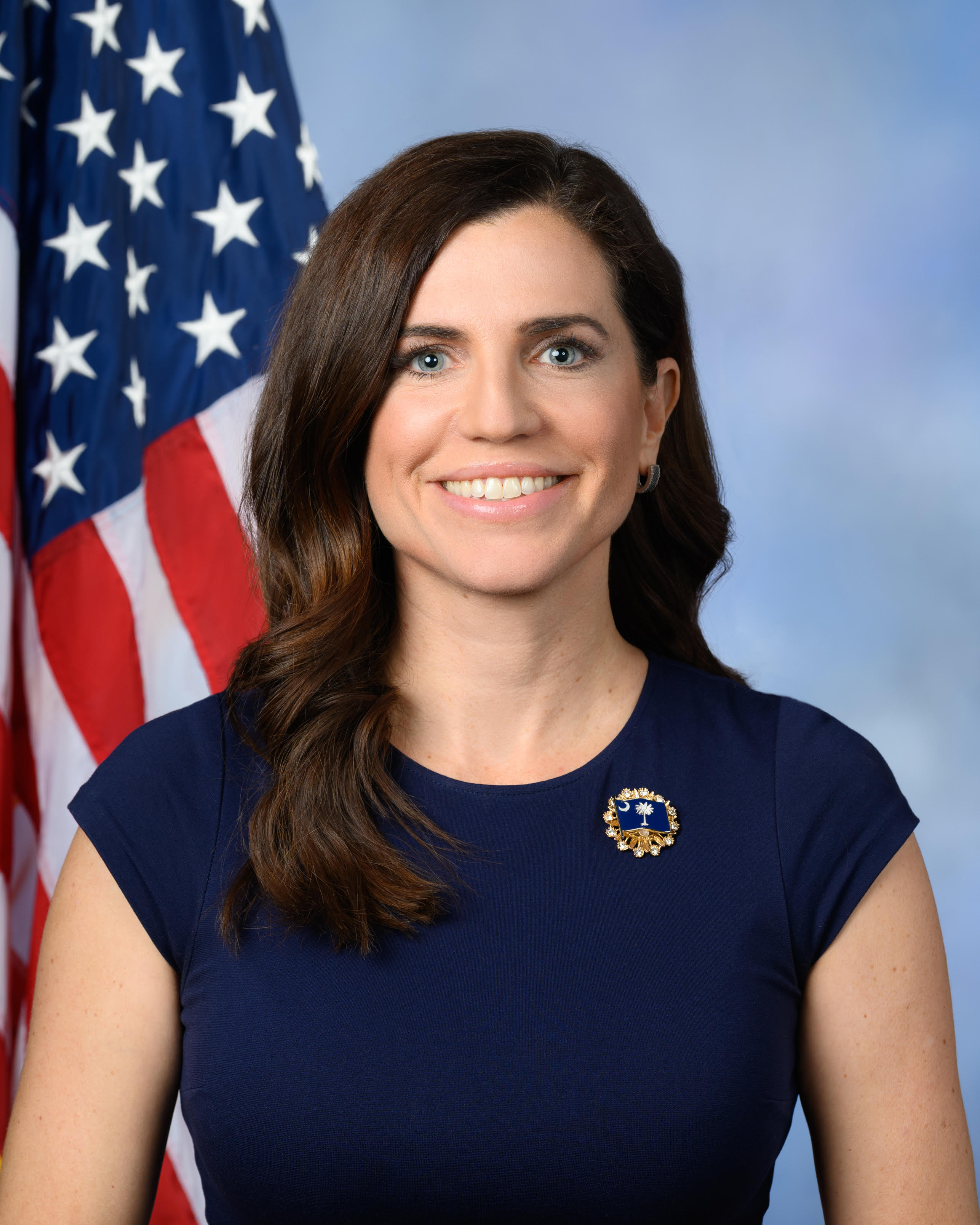
Rep. Nancy Mace separately accused DOJ of concealing names in its handling of the files. The South Carolina Republican pointed to specific redacted sections she said contained identities of Epstein associates.
Rep. Marjorie Taylor Greene called Trump’s handling of the file release a “political miscalculation.” The Georgia Republican said the administration’s approach had damaged its credibility with the Republican base.
Khanna’s Criticism of Name List Method
Khanna’s focus on the Janis Joplin inclusion points to what he characterized as a deliberate strategy to confuse which individuals had meaningful Epstein connections. The DOJ letter reportedly listed names found anywhere in Epstein’s voluminous records without distinguishing between flight logs, substantive correspondence, or incidental mentions.
Joplin’s music catalog and licensing rights have been managed by various entertainment companies over the decades since her death.
Khanna stated that by including such names alongside individuals who met with Epstein, attended his properties, or corresponded directly with him, the DOJ made it harder to identify those who warrant scrutiny, according to reports.1
International Response Contrasts
The dispute over U.S. file releases has coincided with action by foreign governments. France established a special team to review files for French nationals, and UK police launched a national task force for Epstein trafficking allegations.
British prosecutors stated that “nobody is above the law” as authorities opened investigations into UK citizens named in files. Prince Andrew faces renewed scrutiny after released emails showed more contact with Epstein than he previously acknowledged.
Several international figures left positions after the file releases, including the Dubai Ports chief who resigned after hundreds of emails surfaced, and the Goldman Sachs top lawyer who resigned after being named in files.1
Survivor Presence at Hearing
Massie’s comment about Bondi being “afraid to look at” survivors referenced Epstein accusers who attended the congressional hearing. Survivor advocates have called for full transparency about individuals named in the files.
Juliette Bryant, who has identified herself as an Epstein survivor, recently told media she “thought I was going to die” during her time in Epstein’s orbit. Bryant and other survivors have advocated for complete document releases.
Congressional sources indicated survivors held photos and placards identifying themselves during Bondi’s testimony.1
Congressional Next Steps
House Judiciary Committee members have not announced specific next steps following last week’s hearing. The committee has subpoena power to compel additional document production from DOJ if it determines the department has not met statutory obligations.
Congress previously subpoenaed Lord Peter Mandelson and Les Wexner to testify about their Epstein connections. The committee’s authority extends to demanding internal DOJ documents about the file review and release process.
Rep. Khanna previously called for names to be released after an Epstein associate stepped down from a prominent position. The California Democrat has been among the most active critics of DOJ’s redaction practices.
The House could also pursue contempt proceedings if DOJ officials refuse to cooperate with document demands. Such proceedings would require a floor vote and referral to the U.S. Attorney’s Office, which operates under Bondi’s supervision.
Ongoing Investigations
The Justice Department has cited ongoing investigations as justification for some redactions and withheld documents. Some legal experts have stated that releasing unreviewed files could affect active prosecutions.
Court filings have allowed a Bank of America lawsuit alleging trafficking-related claims to proceed. Several civil cases remain pending in multiple jurisdictions.
Ghislaine Maxwell has offered to provide information in exchange for clemency from her federal prison sentence, according to reports. Maxwell, Epstein’s longtime associate, was convicted of sex trafficking in 2021 and is serving a 20-year sentence. DOJ has not indicated any willingness to negotiate with Maxwell.
House and Senate committees continue reviewing the documents DOJ has released. Additional hearings have not been scheduled but remain possible as lawmakers assess whether the Justice Department has fulfilled its obligations under the Epstein Transparency Act.1
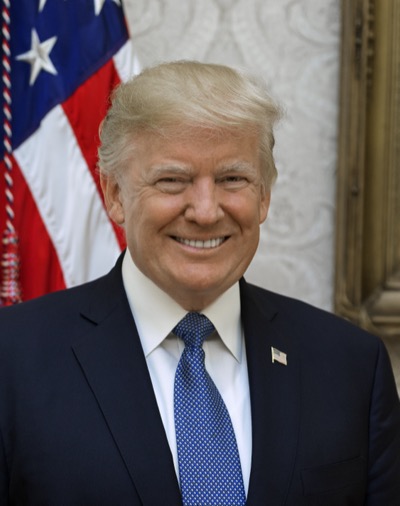 Donald Trump
 Ghislaine Maxwell
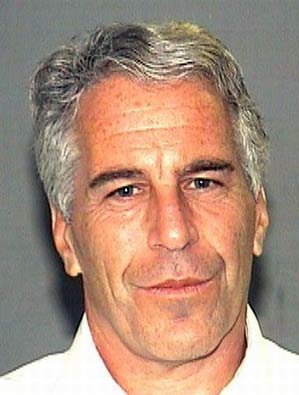 Jeffrey Epstein
 Juliette Bryant
 Leslie Wexner
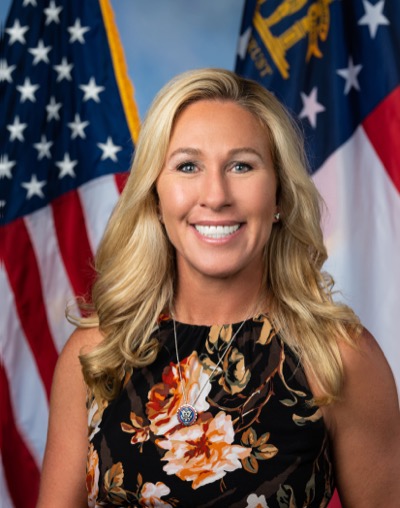 Marjorie Taylor Greene
 Nancy Mace
 Peter Mandelson
 Prince Andrew
 Ro Khanna
 Thomas Massie