Rep. Ro Khanna: More Names Will Emerge From Epstein Files
Key Takeaways
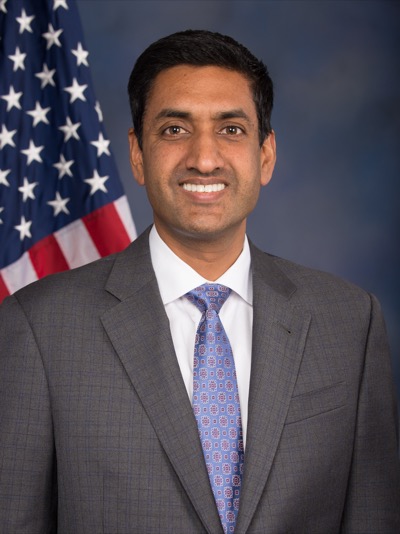
- ▶ Rep. Ro Khanna (D-Calif.) told Time Magazine that additional individuals will be implicated as Epstein documents continue to emerge.
- ▶ Khanna was a primary sponsor of the Epstein Transparency Act, which mandates federal agencies declassify Epstein-related records.
- ▶ The congressman discussed the law's fallout and next steps in a Time Magazine interview about the document release process.
Rep. Ro Khanna (D-Calif.), a primary sponsor of the Epstein Transparency Act, told Time Magazine that he expects additional individuals will be implicated as documents related to Jeffrey Epstein’s criminal network continue to emerge.1
“More people will be implicated,” Khanna said in the interview, discussing the fallout from the transparency legislation he championed and outlining what comes next as federal agencies process Epstein-related records.1
The California Democrat’s comments come after the Epstein Transparency Act was signed into law, mandating federal agencies to declassify and release documents related to Epstein’s crimes and associates.1 The legislation passed with bipartisan support in both the House and Senate before becoming law.
Document Release Process Underway
The FBI has begun reviewing Epstein-related records under the new law’s requirements.1 The legislation requires intelligence and law enforcement agencies to conduct systematic searches of their files for documents related to Epstein’s activities and the individuals in his network.
The transparency law mandates that agencies release documents on a rolling basis, with materials subject to redaction only for specific national security concerns or to protect ongoing criminal investigations.1 Congressional oversight committees have indicated they will monitor agency compliance with the law’s requirements and release timelines.
Khanna did not specify in the Time Magazine interview which individuals or institutions might face scrutiny as more records become public.1 However, his role as a lead sponsor of the legislation has made him one of the most prominent congressional voices calling for transparency in the case.
Congressional Scrutiny of Releases
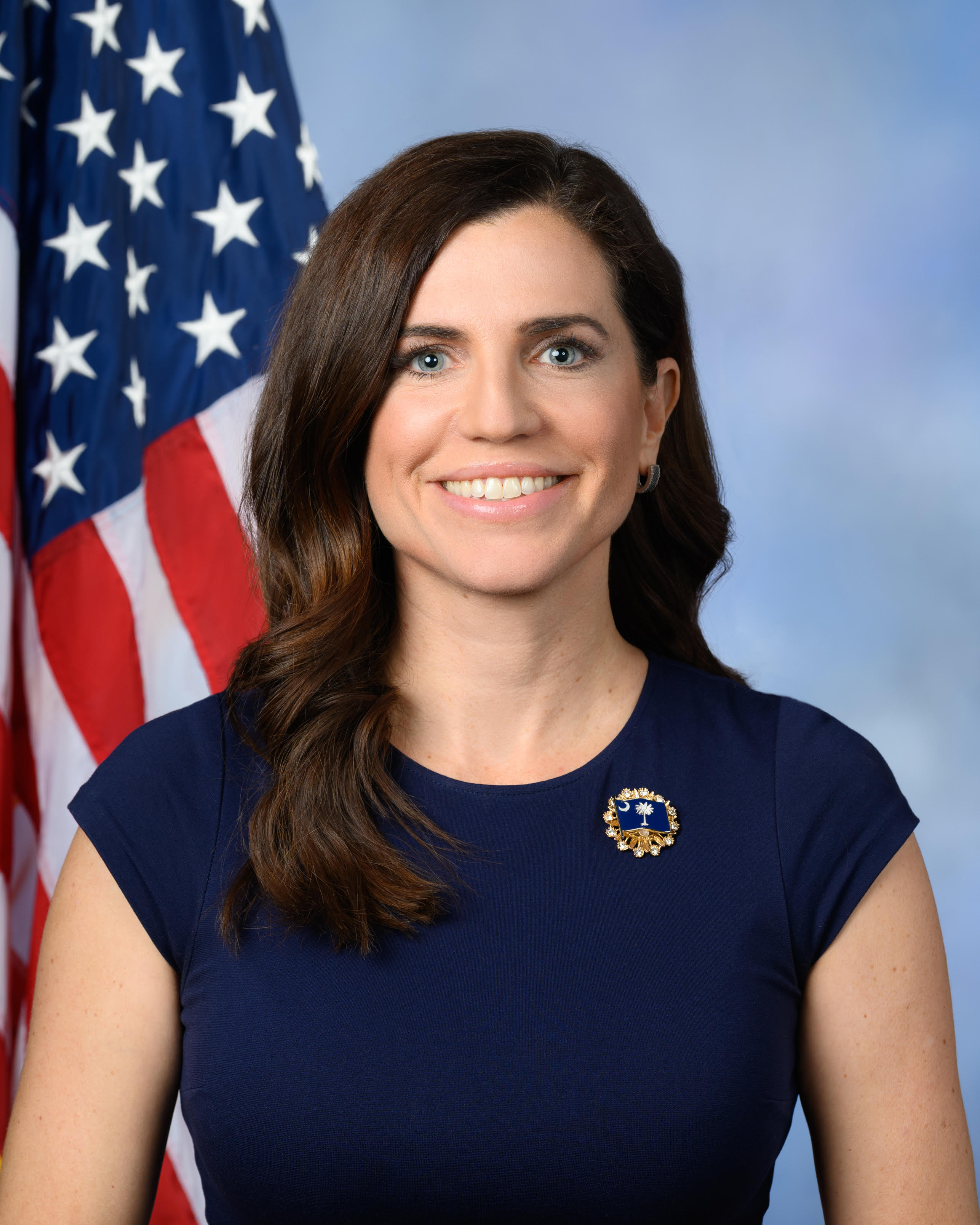
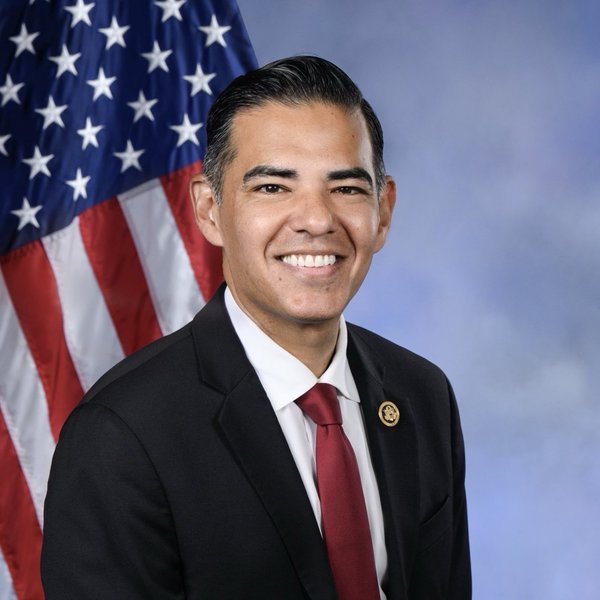
Other members of Congress have weighed in on the document releases under the new law. Rep. Nancy Mace (R-S.C.) stated that initial document releases reveal a criminal network larger than previously understood.2 Rep. Robert Garcia (D-Calif.) has alleged that the Department of Justice withheld certain FBI interviews in its initial production of files.3
The Epstein Transparency Act requires federal agencies to make documents available to the public except where specific exemptions apply. Those exemptions are narrowly defined in the legislation and must be justified by agencies in writing when invoked.
Background on Epstein Case
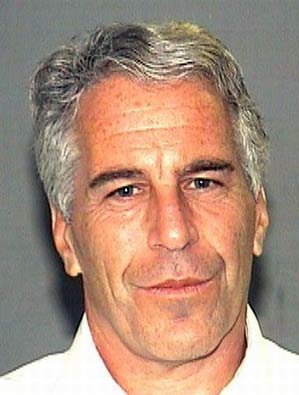
Jeffrey Epstein died in federal custody in August 2019 while awaiting trial on federal sex trafficking charges. His longtime associate Ghislaine Maxwell was convicted in December 2021 on charges of sex trafficking minors and is currently serving a 20-year federal prison sentence.
The transparency law that Khanna sponsored requires ongoing releases as agencies complete their document reviews. Federal law enforcement and intelligence agencies have been directed to prioritize the searches and productions required under the statute.
 Ghislaine Maxwell
 Jeffrey Epstein
 Nancy Mace
 Robert Garcia