DOJ Memo: Epstein Accusers Had Credibility Issues, Past Arrests
Key Takeaways
- ▶ DOJ memo reveals prosecutors cited past arrests among Epstein accusers as potential credibility challenges in court proceedings.
- ▶ The document notes some accusers provided accounts that changed over time or contained inconsistencies.
- ▶ Federal prosecutors compiled the assessment when evaluating whether to charge individuals in Epstein's network after his 2019 death.
- ▶ The memo does not identify specific accusers by name or detail the types of arrests mentioned.
- ▶ Wall Street Journal previously reported DOJ examined multiple Epstein associates for sex crimes but charged none.
A newly released Department of Justice memo details what prosecutors described as “credibility challenges” among women who accused Jeffrey Epstein of sexual abuse, including prior arrests and inconsistencies in their accounts, according to the New York Post.1
The memo outlines factors that federal prosecutors weighed when deciding whether to bring charges against Epstein associates after his 2019 death.1 The document reveals that investigators identified issues they believed could undermine witness testimony in potential criminal proceedings.1
Prosecutors Cite Criminal Records, Changing Accounts
According to the memo, some accusers had criminal records that prosecutors believed defense attorneys could use to question their credibility in court.1 The document also notes that certain accusers provided accounts that changed over time or contained inconsistencies.1
The memo does not identify specific accusers by name or provide details about the nature of the alleged inconsistencies or the types of arrests mentioned.1 Federal prosecutors compiled the assessment as part of their evaluation of whether sufficient evidence existed to charge individuals in Epstein’s network.1
The Wall Street Journal previously reported that the DOJ examined multiple Epstein associates for potential sex crimes but ultimately charged none of them.2
Epstein died in federal custody in August 2019 while awaiting trial on federal sex trafficking charges.1 Federal prosecutors in New York had charged him with sex trafficking of minors and conspiracy in July 2019.1
Epstein was previously convicted in Florida in 2008 on state charges of soliciting a minor and served 13 months in a county jail under a work-release arrangement.1 That conviction stemmed from a non-prosecution agreement with federal prosecutors that has since been widely criticized.1
Congressional Oversight Intensifies
A House oversight panel issued subpoenas to Bill Gates and his former general counsel Kathryn Ruemmler as part of its investigation into Epstein’s network of associates.3 Attorney General Pam Bondi was also subpoenaed to testify about her role as Florida attorney general during the period when Epstein’s case was being handled by state and federal prosecutors.4
The FBI has begun reviewing Epstein-related records under the Epstein Transparency Act, which President Donald Trump signed into law in January 2026.5
References
- New York Post — “Jeffrey Epstein accusers had ‘credibility challenges’ including past arrests, changing stories, DOJ memo reveals”
- Wall Street Journal — “DOJ Examined Epstein Associates for Sex Crimes, Charged None”
- epsteintransparencyact.com — “House Panel Subpoenas Bill Gates, Kathryn Ruemmler in Epstein Probe”
- epsteintransparencyact.com — “Pam Bondi Subpoenaed to Testify on Epstein Case Handling”
- epsteintransparencyact.com — “FBI Begins Review of Epstein-Related Records Under New Law”
 Bill Gates
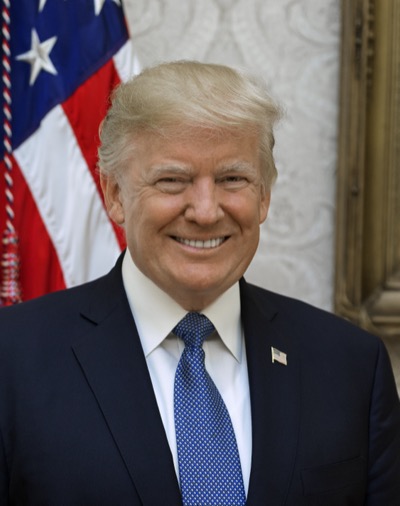 Donald Trump
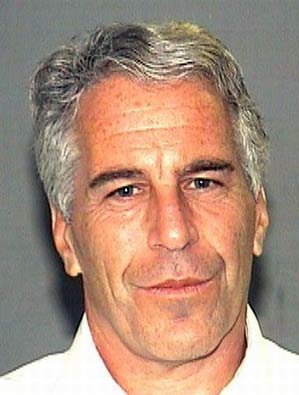 Jeffrey Epstein
 Kathryn Ruemmler
 Pam Bondi