DOJ Publishes 3.5 Million Epstein Pages, Claims Full Compliance
Key Takeaways
- ▶ The DOJ announced publication of 3.5 million responsive pages under the Epstein Files Transparency Act.
- ▶ An estimated 2.5 million additional documents from the investigative file remain unreleased.
- ▶ Many of the published pages were heavily redacted, drawing criticism from lawmakers and transparency advocates.
- ▶ Lawmakers from both parties disputed the DOJ's claim of full compliance with the transparency act.
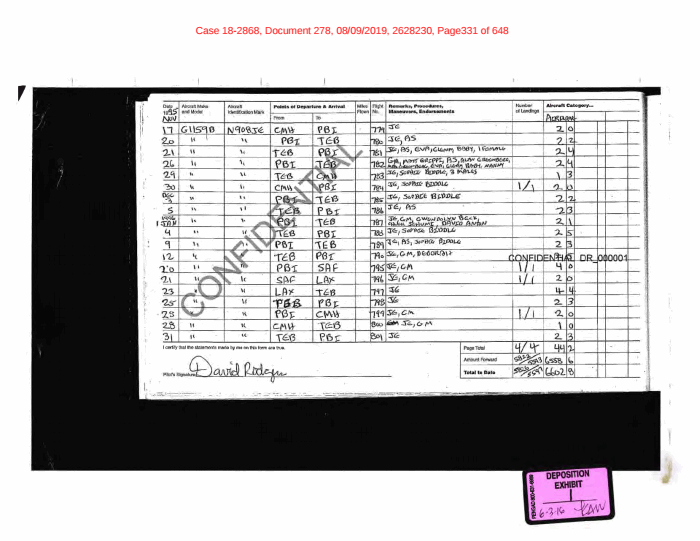
The Department of Justice announced on April 7 that it had published 3.5 million pages of documents responsive to the Epstein Files Transparency Act, claiming it had achieved full compliance with the landmark disclosure law.1
The announcement, posted on the DOJ’s official website, described the release as the most extensive government disclosure of records related to Jeffrey Epstein and his network. The department said the published materials included FBI investigative reports, grand jury exhibits, correspondence, and internal memoranda spanning more than two decades.
Critics Dispute Compliance Claims
The DOJ’s assertion of full compliance drew immediate pushback from lawmakers, transparency advocates, and survivors’ attorneys. Critics pointed out that an estimated 2.5 million additional documents from the federal investigative file had not been included in the releases.1
The department argued that the unreleased materials fell outside the scope of the transparency act’s requirements, a position that members of Congress from both parties rejected. Several lawmakers said the act was written to encompass all documents in the government’s possession related to Epstein’s activities and associations, without the carve-outs the DOJ had applied.
Rep. Robert Garcia (D-CA) said the DOJ’s interpretation of the law was “conveniently narrow” and accused the department of using technical definitions to avoid releasing the most sensitive materials. Rep. Nancy Mace (R-SC) echoed that criticism, saying the act’s plain language required broader disclosure than the DOJ had provided.
Heavy Redactions Draw Scrutiny
Beyond the question of which documents were included, the condition of the published pages generated its own controversy. Transparency advocates who reviewed the releases found that significant portions of many documents were blacked out, with redactions covering names, dates, locations, and other details that advocates argued were essential to understanding the files’ contents.1
The DOJ said redactions were applied to protect ongoing law enforcement investigations, national security interests, and the privacy of victims. Legal experts noted that the same justifications have been used by previous administrations to limit disclosure of sensitive government records, and that the breadth of the redactions was consistent with historical patterns.
However, survivors’ attorneys argued that some redactions appeared to protect the identities of associates rather than victims, and called on the DOJ to provide a detailed accounting of the basis for each redacted passage.
Lawmakers Weigh Next Steps
The dispute over compliance has prompted discussions among lawmakers about potential legal action to compel the release of the remaining 2.5 million documents. Members of both the House Oversight Committee and the Senate Judiciary Committee have explored whether Congress could file suit against the DOJ or pass additional legislation clarifying the scope of the original act.
Acting Attorney General Todd Blanche, who assumed leadership of the DOJ after Pam Bondi was fired on April 2, said the department would continue to review materials for potential release but did not commit to a specific timeline for the remaining documents.
The 3.5 million published pages are available through the DOJ’s dedicated Epstein files portal, though several independent researchers have reported difficulties accessing and searching the database due to technical limitations.
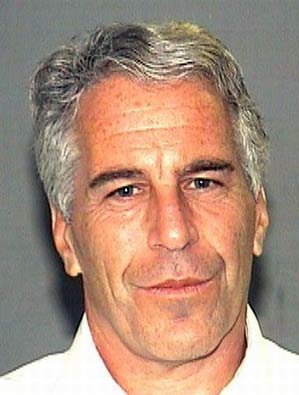 Jeffrey Epstein
 Nancy Mace
 Pam Bondi
 Robert Garcia
 Todd Blanche