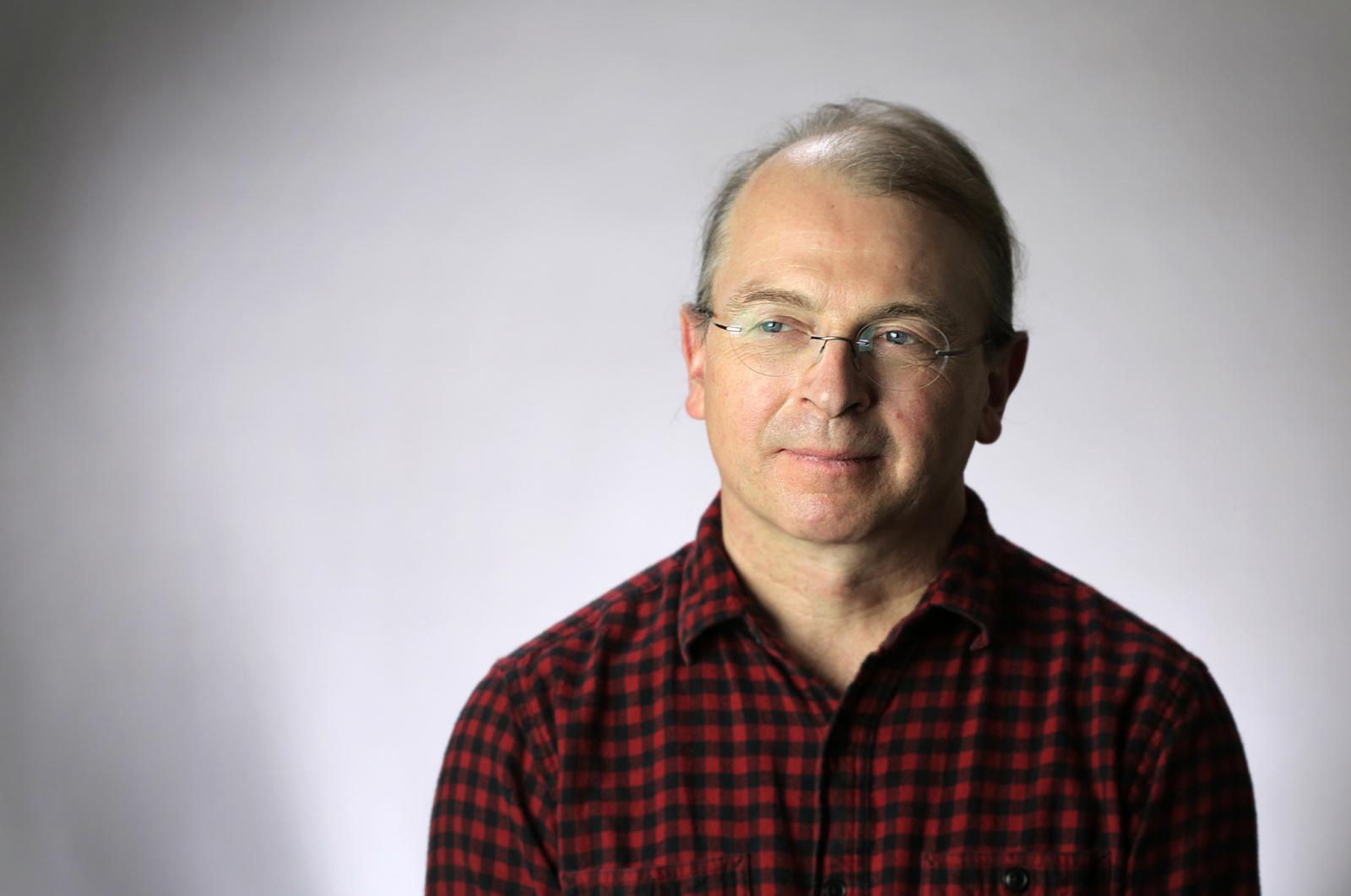
Seth Lloyd
MIT Professor of Mechanical Engineering
Professor of mechanical engineering at MIT who received a $225,000 personal research grant from Jeffrey Epstein. Lloyd also visited Epstein's private island and continued the financial relationship after Epstein's 2008 conviction.
Seth Lloyd in the Epstein Files — By the Numbers
Topics Covered
Seth Lloyd is a professor of mechanical engineering at the Massachusetts Institute of Technology, specializing in quantum computing, quantum information theory, and complex systems. He became a figure in the Epstein case when it was revealed that he had accepted a $225,000 personal research grant from Jeffrey Epstein and had maintained a personal and professional relationship with the convicted sex offender over a period of years.
Background
Lloyd joined the MIT faculty in 1994 and has been a leading researcher in the field of quantum computing. He proposed the first technologically feasible design for a quantum computer and has published extensively on quantum mechanics, information theory, and the physics of computation. He is the author of “Programming the Universe” (2006) and holds a PhD from Rockefeller University.
Financial Relationship with Epstein
Lloyd received a $225,000 personal grant from Epstein — money paid directly to Lloyd, not channeled through MIT. This was separate from the $850,000 that Epstein donated to MIT through the Media Lab. Lloyd’s grant was for research purposes, though the specific terms and deliverables have not been publicly disclosed.
The financial relationship continued after Epstein’s 2008 conviction in Florida for soliciting a minor. Lloyd also visited Epstein’s private island, Little St. James, in the U.S. Virgin Islands. The visits and personal grant placed Lloyd among the academics who maintained direct, individual financial ties to Epstein — not merely institutional ones mediated through a university development office.
Apology and MIT Response
In September 2019, following the exposure of the broader MIT-Epstein relationship that led to the resignation of Media Lab director Joi Ito, Lloyd issued a public apology. He acknowledged accepting the grant and visiting Epstein’s island and expressed regret for the relationship. He said he had been unaware of the scope of Epstein’s crimes at the time of some of their interactions but acknowledged that he should have severed ties after the 2008 conviction.
MIT placed Lloyd on paid administrative leave while it reviewed the situation. The university’s January 2020 fact-finding report addressed the broader institutional relationship with Epstein but did not impose public sanctions on Lloyd. He returned to teaching after his leave.
Significance
Lloyd’s case highlights a pattern in which Epstein used personal grants — paid directly to individual researchers rather than to institutions — to build individual loyalty and personal obligation. A $225,000 personal payment creates a different dynamic than an institutional donation: it binds the recipient directly to the donor. Lloyd’s acceptance of the grant and his visits to Epstein’s island illustrate how Epstein used financial generosity to cultivate relationships with prominent scientists, leveraging their credibility and intellectual prestige for his own purposes.
Documents
Primary-source records that name or reference Seth Lloyd. Inclusion in these documents is not, by itself, evidence of wrongdoing; Lloyd has apologized for accepting Epstein’s money and was not sanctioned beyond a temporary administrative review.
- DOJ Epstein Files (full EFTA release portal) — Per MIT’s student newspaper The Tech (Feb. 2026) and other reporting on the January 2026 DOJ release, the files name Lloyd in correspondence relating to Epstein and quantum-computing publicity, building on earlier disclosures that Lloyd accepted a $225,000 personal grant from Epstein, visited his private island, and maintained contact after Epstein’s 2008 conviction.
Connections
View in network →People most often named alongside Seth Lloyd in coverage, plus documented connections. Counts reflect shared articles, not verified relationships.