AG Bondi Caught Spying on Democrats' Epstein Files Searches
Key Takeaways
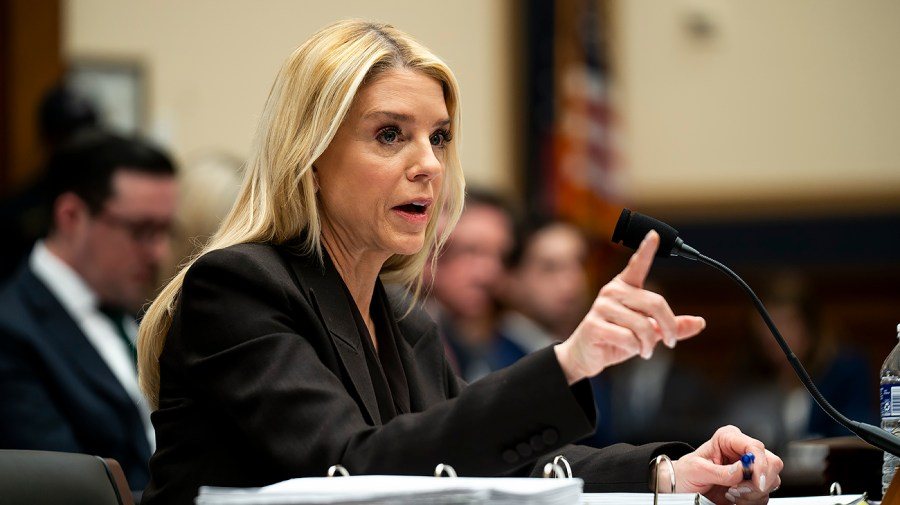
- ▶ AG Pam Bondi was caught reviewing documents tracking which lawmakers searched specific names in unredacted Epstein files during a five-hour House Judiciary Committee hearing.
- ▶ Sultan Ahmed Bin Sulayem, CEO of DP World, was forced out after appearing more than 4,700 times in the files.
- ▶ Rep. Ted Lieu accused Bondi of lying under oath about Trump's relationship with Epstein; Bondi forcefully rejected the accusation.
- ▶ Lord Peter Mandelson, former UK Labour cabinet minister and ambassador to the U.S., faces a congressional request to testify about his Epstein connections.
- ▶ Ghislaine Maxwell was convicted December 29, 2021 and sentenced to 20 years; no additional co-conspirators have been prosecuted since the document releases began.
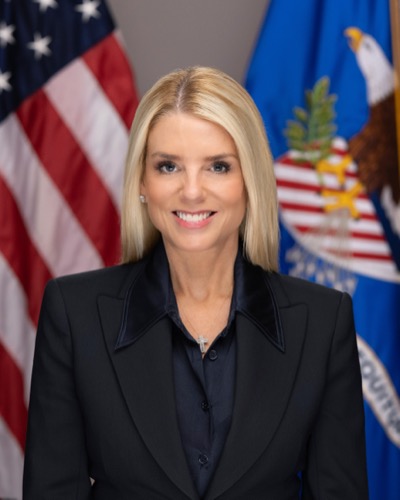
The Justice Department’s release of millions of Jeffrey Epstein files has prompted a dispute between Congress and the executive branch over oversight of the documents.1 Democrats in Congress stated this week that Attorney General Pam Bondi was seen reviewing documents that tracked which lawmakers had searched specific names in the unredacted files, according to The Hill.1
The development, first observed during Bondi’s five-hour testimony before the House Judiciary Committee on Wednesday, has drawn criticism from within the conservative coalition.1 High-profile figures from Dubai to London have faced professional consequences after being named in Epstein documents, and questions have emerged about DOJ tracking of congressional file searches.1
The Surveillance Scandal
On Friday, House Judiciary and Oversight Committee Democrats launched a joint investigation demanding the DOJ “immediately cease tracking Members’ review of the Epstein files,” according to The Hill.1 The letter came after Bondi was photographed during Wednesday’s hearing reviewing what appeared to be a summary of a specific lawmaker’s searches through the unredacted documents.1
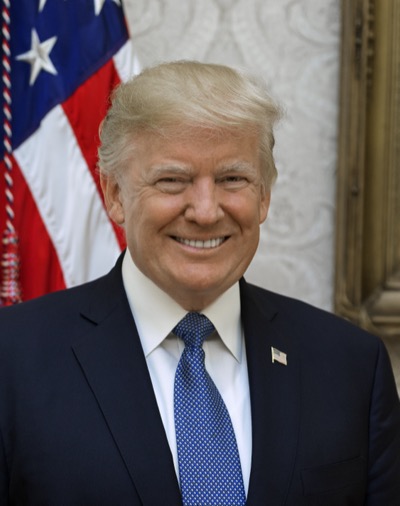
During that same Wednesday hearing, according to Axios, Rep. Ted Lieu (D-Calif.) accused Bondi of lying under oath regarding the relationship between Epstein and President Trump.2 Bondi rejected the accusation. Multiple Epstein survivors attended the hearing, and all stated they had not been given an opportunity to provide testimony to the DOJ under Bondi’s leadership, according to the report.2 When prompted to acknowledge their presence, she declined.2
The MAGA Fracture
Multiple MAGA-aligned commentators have called for Bondi’s removal, Axios reported.2 The Justice Department has ended its release of Epstein-related documents, but public demand for further answers and prosecutions has persisted, according to the outlet.2
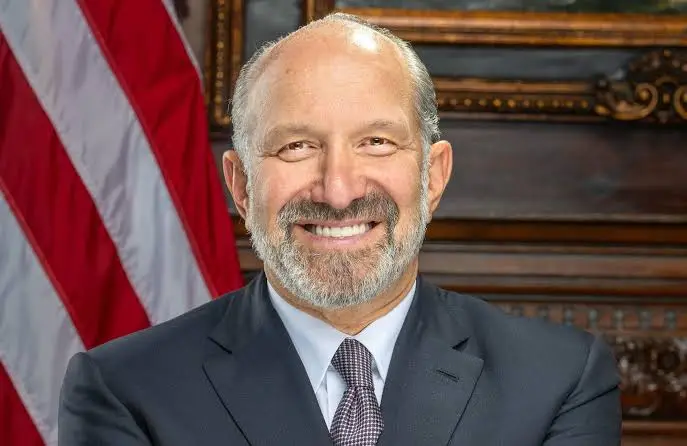
On Friday, Trump brought Commerce Secretary Howard Lutnick with him on a visit to Fort Bragg, giving Lutnick a seat on Air Force One despite the secretary having given “conflicting accounts of his Epstein ties,” according to The Independent.3
Criticism of Bondi’s handling of the files has come from across the political spectrum, including from within Trump’s own base.2
The Global Fallout Continues
While Washington debates the scope of document releases, the professional consequences for those named in the files have continued.
Sultan Ahmed bin Sulayem, CEO and chairman of Dubai’s DP World—one of the world’s largest port operators—was replaced this week after appearing in the Epstein files more than 4,700 times, according to CBS News, citing Justice Department data.4 Multiple corporate executives have departed after being named in the files. The content of the documented interactions between bin Sulayem and Epstein has not been publicly disclosed.4
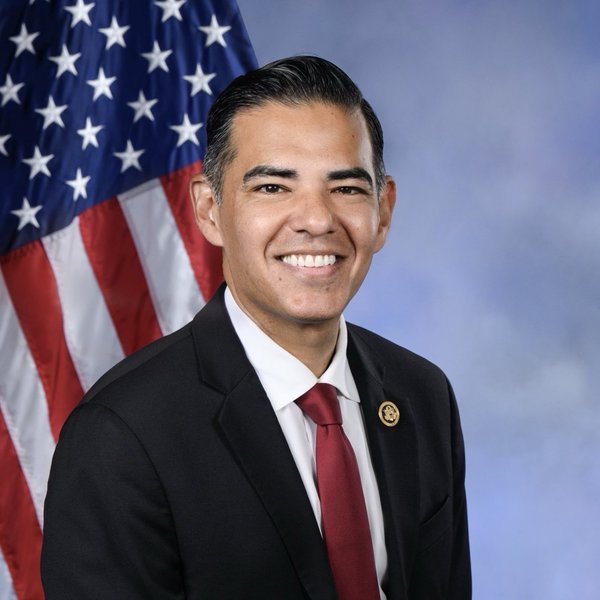
Across the Atlantic, British politician Lord Peter Mandelson now faces formal congressional scrutiny. Rep. Robert Garcia, ranking member of the House Committee on Oversight and Government Reform, and Rep. Suhas Subramanyam have written to Mandelson requesting he testify before Congress, according to The Guardian.5 The letter states Mandelson “holds critical information” for the investigation into Epstein, according to the outlet.5
Mandelson, who served as the United Kingdom’s ambassador to the United States, is the first foreign diplomat summoned to testify about Epstein connections before Congress. Whether he will comply has not been determined.5
The Misinformation Problem
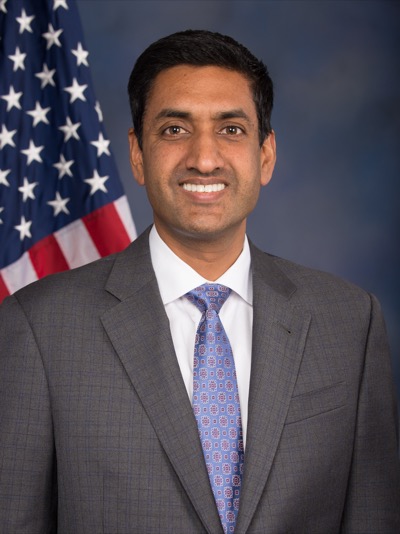
The large volume of released names has also produced inaccuracies. The Guardian reported Friday that four men named by Rep. Ro Khanna in unredacted files “have no ties to Epstein.”6 Khanna, who has been among the most vocal Democratic voices demanding full transparency, appears to have misidentified individuals or referenced incomplete data.
Names appear in documents for various reasons. A person mentioned in an email subject line, or included on a forwarded distribution list, is not necessarily someone who had a direct relationship with Epstein. The challenge for investigators, journalists, and the public is distinguishing meaningful connections from incidental mentions across millions of pages of documents.6
Institutional Relationships After Conviction
In a New York Times opinion podcast published Friday, journalist Anand Giridharadas discussed what he described as “the infrastructure of Jeffrey Epstein’s power.”7 The files show university presidents, corporate lawyers, Nobel committee members, and port authority officials in contact with Epstein after his 2008 conviction became a matter of public record.7
According to the documents, major financial institutions continued doing business with Epstein after his 2008 conviction. Universities accepted his donations. Law firms represented his interests.1
Victims are now speaking publicly. Corporate boards have forced resignations. And members of Congress have demanded answers about the scope of Epstein’s institutional relationships.1
What Remains Hidden
Large portions of the Epstein files remain redacted. The FBI has stated that ongoing investigations, privacy concerns, and national security considerations justify the redactions.1 Some lawmakers and legal experts have disputed those justifications.1
Bondi’s testimony, her decision not to acknowledge survivors in the hearing room, and the reported DOJ tracking of congressional searches all occurred during the same week the DOJ announced it had ended its document releases.1
The Epstein Transparency Act mandated the release of FBI files and created mechanisms for public accountability. Enforcement of the Act has been uneven since its passage.1
The Questions That Matter Now
Several open questions remain:
First, whether the DOJ will comply with Democrats’ demand to stop tracking congressional searches. If it declines, the dispute could escalate into a broader constitutional confrontation over executive surveillance of congressional oversight activities.1
Second, whether international figures like Mandelson will comply with congressional requests to testify. The U.S. has limited ability to compel testimony from foreign nationals, particularly those with diplomatic immunity.5
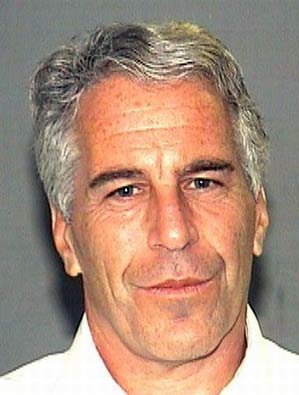
Third, whether anyone else will be prosecuted. Epstein died on August 10, 2019 at the Metropolitan Correctional Center. Ghislaine Maxwell was convicted on December 29, 2021 and sentenced to 20 years in federal prison. No additional criminal charges have been filed since the document releases began.1
Large portions of the files have been made public. Multiple executives have departed their positions. The Justice Department has been reported to be tracking which lawmakers are searching the files, and no additional prosecutions have been announced.1
References
- The Hill: Epstein Files DOJ Bondi House Democrats
- Axios: Epstein Files Bondi Hearing
- The Independent: Howard Lutnick Epstein Ties
- CBS News: DP World CEO Epstein Files
- The Guardian: Mandelson Epstein Congressional Testimony
- The Guardian: Khanna Named Men No Epstein Ties
- New York Times Opinion Podcast: Anand Giridharadas on Epstein
 Donald Trump
 Ghislaine Maxwell
 Howard Lutnick
 Jeffrey Epstein
 Pam Bondi
 Peter Mandelson
 Ro Khanna
 Robert Garcia
 Sultan Ahmed Bin Sulayem