College Presidents, Professors Named in Epstein Files Fallout
Key Takeaways
- ▶ Columbia University Nobel laureate Richard Axel visited Epstein's island post-conviction, and Epstein corrupted Columbia admissions to enroll his girlfriend — faculty were removed.
- ▶ Survivor testimony revealed Epstein used Columbia tuition payments to lure and financially control trafficking victims, paying over $200,000 through his COUQ Foundation.
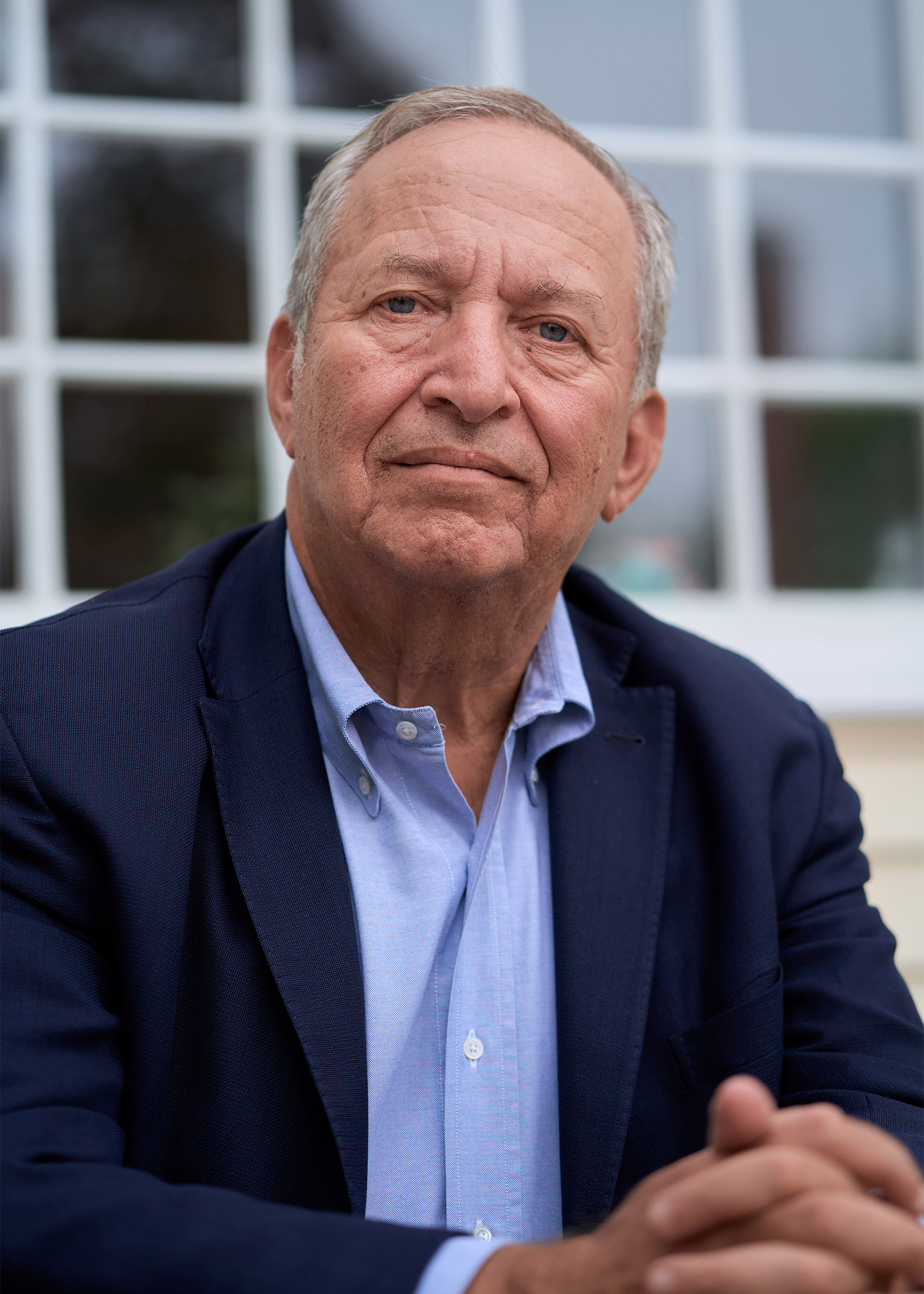
- ▶ Harvard accepted $9.1 million from Epstein and allowed him to visit campus at least 40 times after his 2008 conviction, meeting with faculty including Lawrence Summers and Martin Nowak.
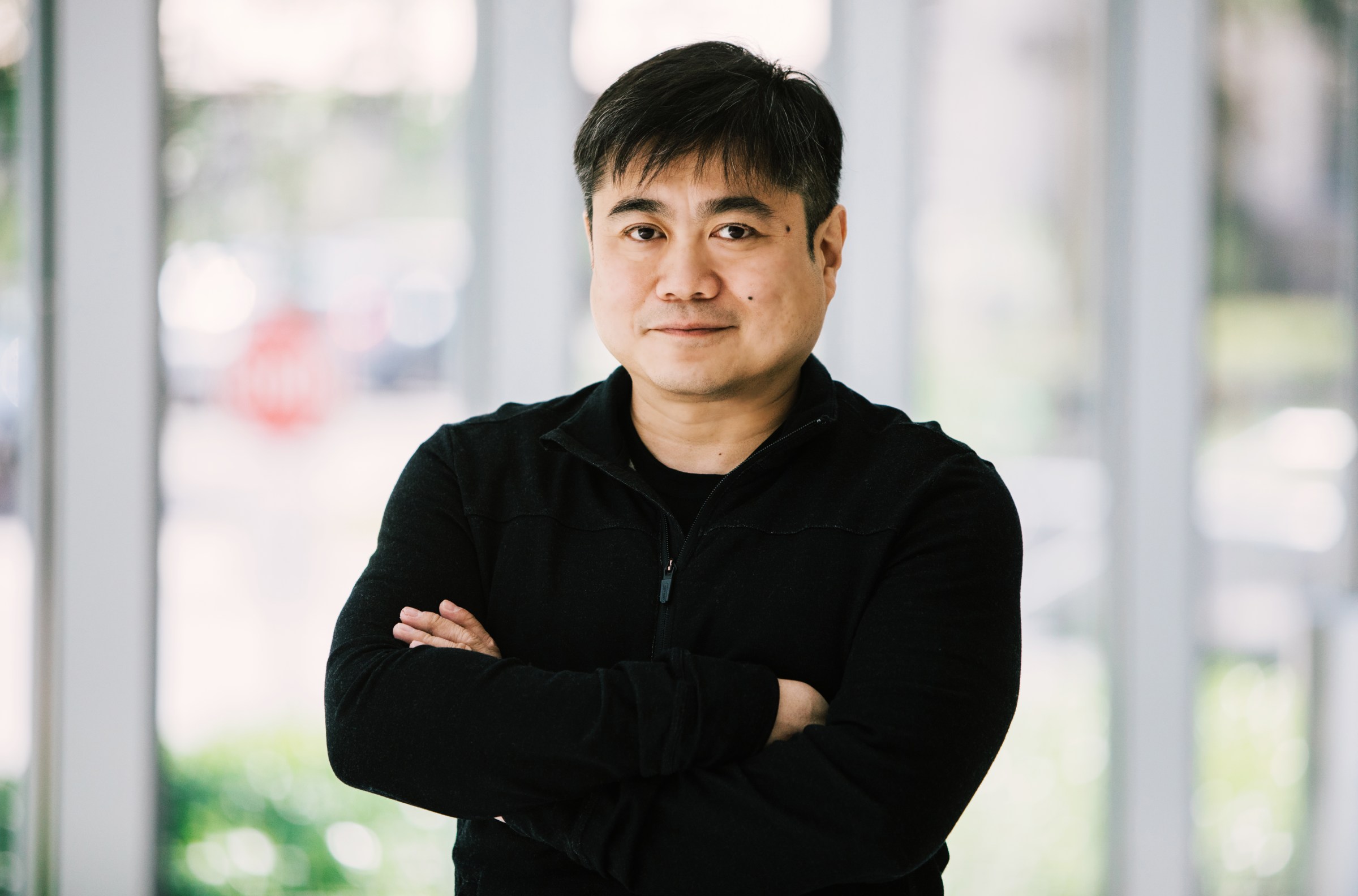
- ▶ MIT Media Lab director Joi Ito resigned after the lab's ties to Epstein were exposed, including $850,000 in donations and a $225,000 grant to professor Seth Lloyd.
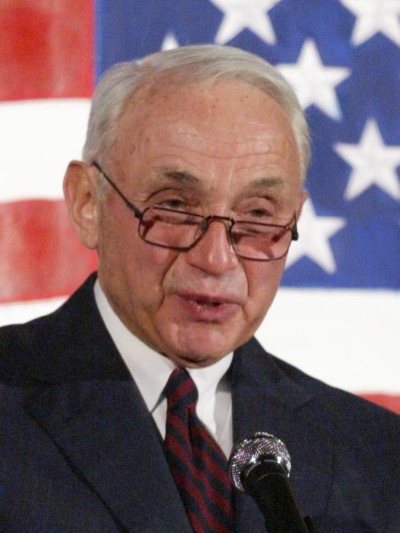
- ▶ Les Wexner, Epstein's only confirmed financial client, is the largest donor to Ohio State University, where the Wexner Medical Center bears his name.
Multiple colleges and universities face scrutiny following the Epstein files, with university presidents and multiple professors named in documents as having maintained contact with the convicted sex offender, according to The Hill.1 The institutions named include Harvard, MIT, Ohio State, and Bard College.
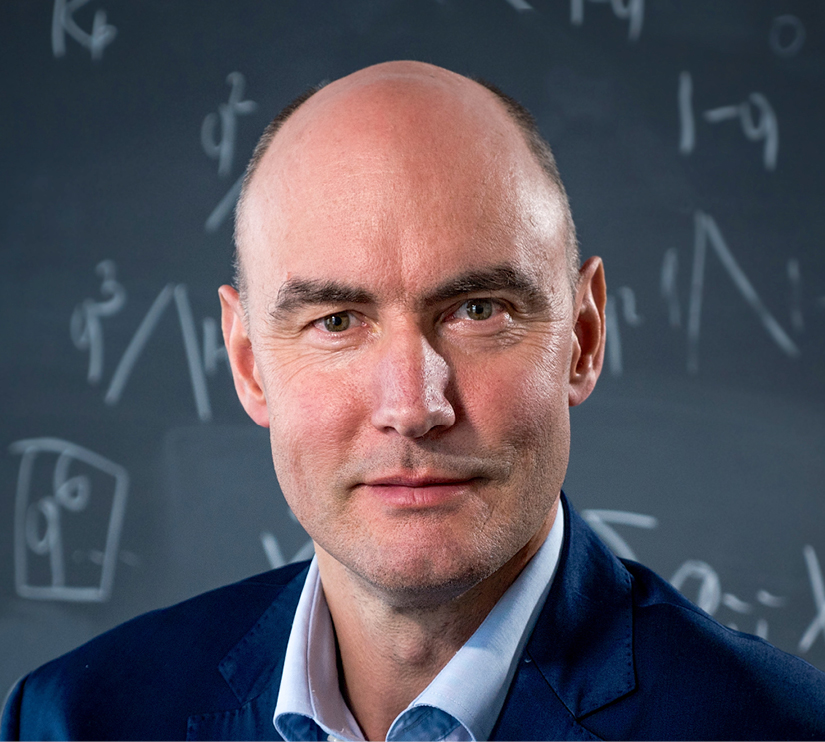
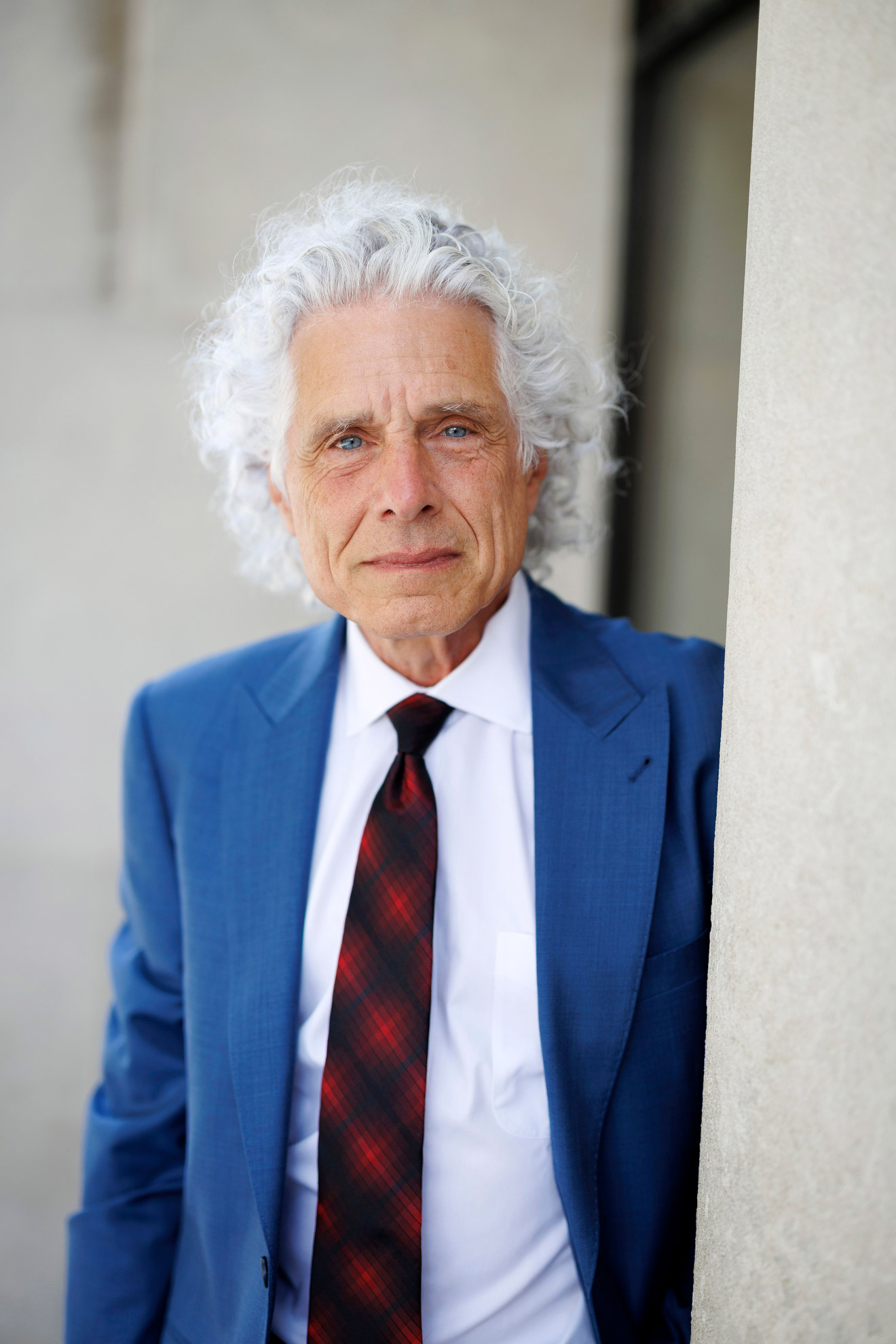
Harvard University accepted $9.1 million from Epstein and, according to a 2020 internal review, allowed him to visit campus at least 40 times after his 2008 conviction for soliciting a minor.1 Faculty who met with Epstein included former Treasury Secretary Lawrence Summers, who served as Harvard’s president from 2001 to 2006, and evolutionary biologist Martin Nowak, who ran the Epstein-funded Program for Evolutionary Dynamics.1 Cognitive scientist Steven Pinker also appeared in connection with Epstein visits to campus.1
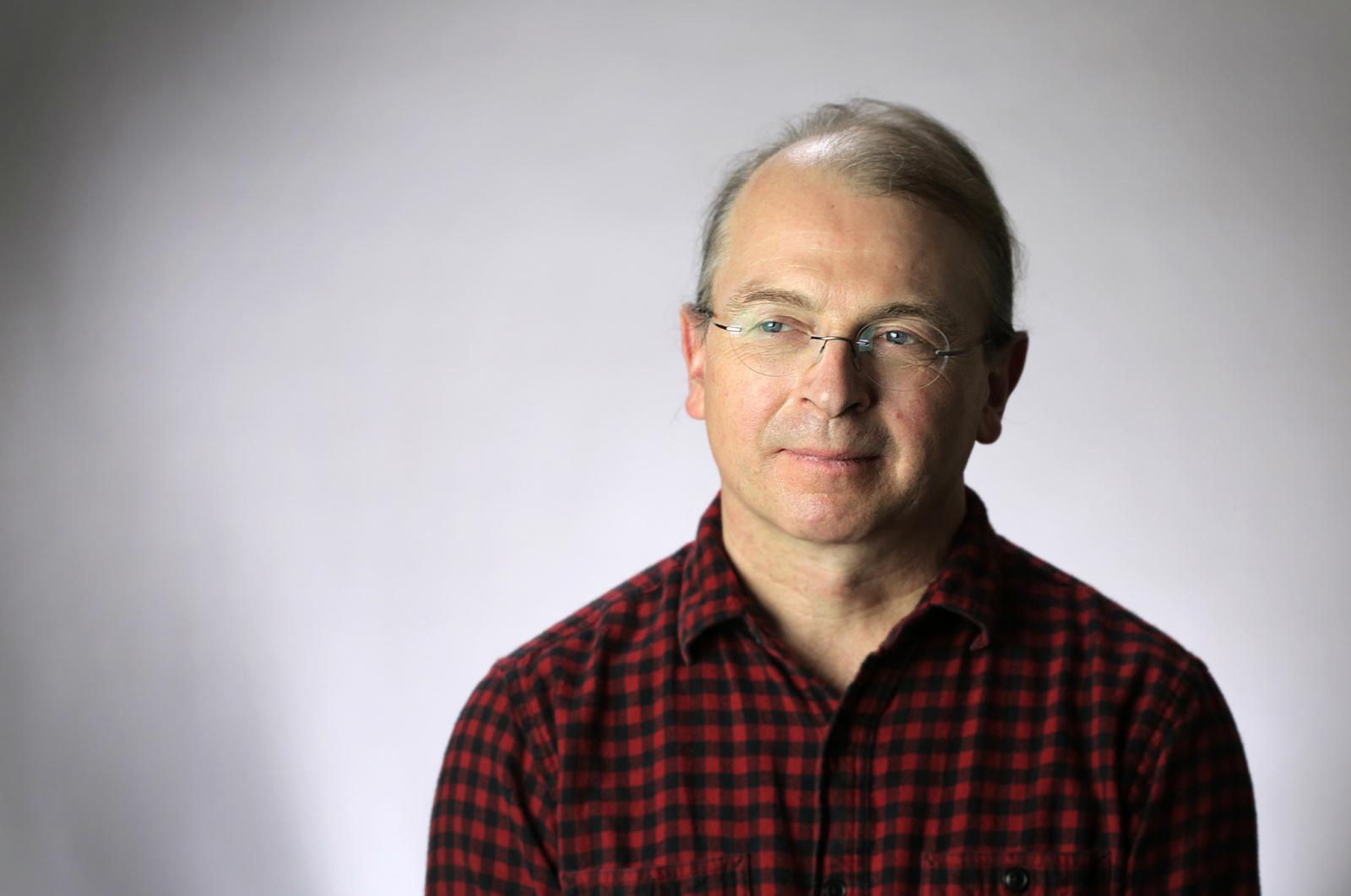
At MIT, Media Lab director Joi Ito resigned in 2019 after internal documents showed he helped Epstein donate $1.7 million to the lab while concealing the financier’s identity from university officials, according to MIT’s own investigation.1 Ito also accepted $1.2 million from Epstein for his personal investment funds. MIT professor Seth Lloyd received a $225,000 personal research grant from Epstein. MIT President L. Rafael Reif later apologized, stating the institution’s handling was “a collective and significant failure of judgment.”1
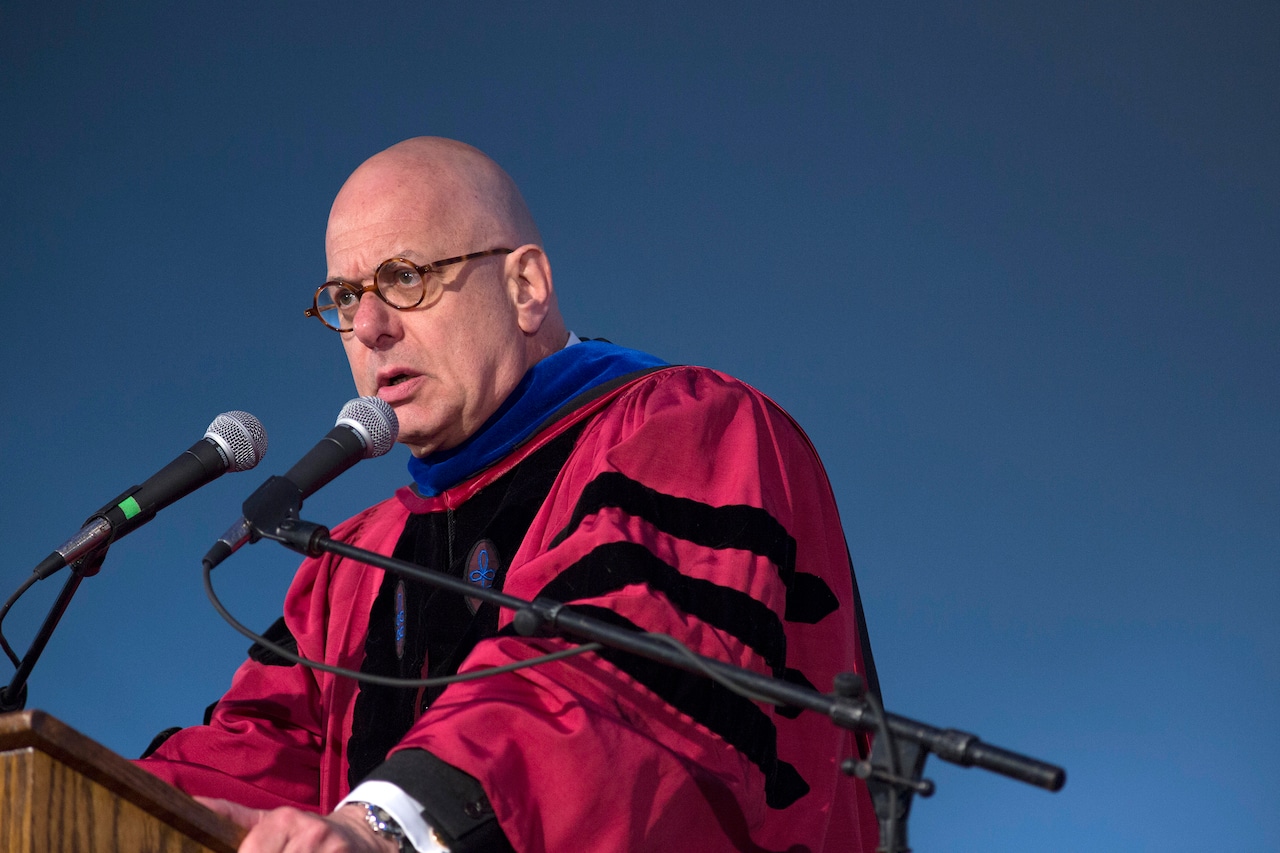
Bard College president Leon Botstein invited Epstein to campus twice in 2013 and met with him in New York at least four times between 2012 and 2015, according to the New York Times.2 Botstein told the Times he was “completely unaware” of the nature of Epstein’s crimes.2
At Ohio State University, the connection runs through Les Wexner, Epstein’s only confirmed financial client and the university’s largest donor.1 The Wexner Medical Center bears his name, and students have called for the building to be renamed.
Columbia University: Admissions Corruption and Survivor Exploitation
Columbia University has emerged as one of the institutions most frequently referenced in the documents. The DOJ files and a congressional inquiry led by Rep. Jamie Raskin documented multiple points of contact between Epstein and the university.3
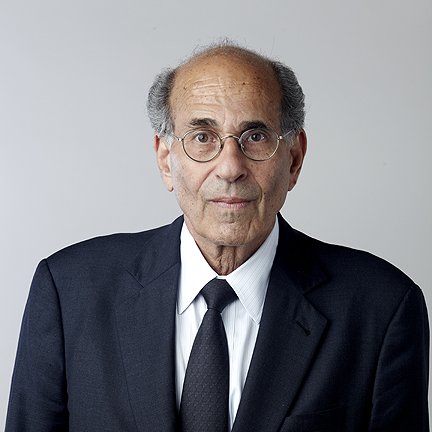
Nobel laureate Dr. Richard Axel, a Columbia neuroscience professor and 2004 Nobel Prize winner, had a relationship with Epstein spanning 11 years and visited Epstein’s private island in 2011 — three years after Epstein’s conviction, according to the congressional inquiry.3 Axel also contacted Columbia admissions on Epstein’s behalf. Columbia acknowledged the relationship and said Axel called it “a serious error in judgment.”3
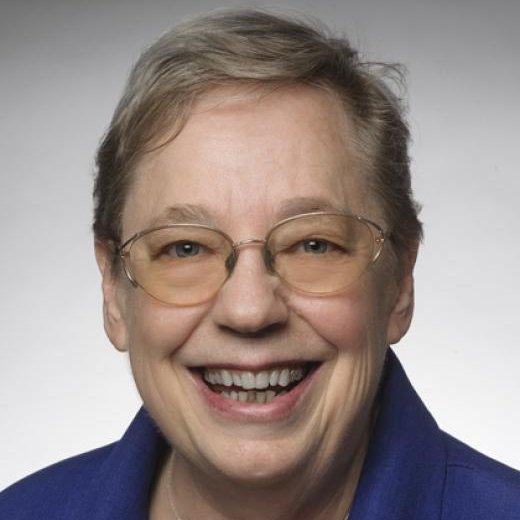
Documents show that Epstein’s last known girlfriend, Karyna Shuliak, was rejected from Columbia’s College of Dental Medicine in February 2012. Within three months, she was admitted as an international transfer student after Epstein contacted multiple Columbia figures — including Dr. Thomas Magnani, a dental school faculty member, and Dr. Letty Moss-Salentijn, vice dean of the dental school, according to the congressional inquiry.3 Epstein paid Shuliak’s tuition and had his accountant send $100,000 to Columbia’s School of Public Health. Columbia subsequently removed Magnani from the admissions committee and terminated his faculty appointment, and required Moss-Salentijn to step down from administrative roles.3
Raskin’s January 2026 letter to Columbia cited survivor testimony stating that Epstein promised young women he would help them gain admission to the university.3 Between 2004 and 2007, Epstein paid for at least one survivor to attend Columbia as an undergraduate, making tuition payments in excess of actual costs so the survivor would receive thousands of dollars directly from the university, according to the letter.3 Epstein’s COUQ Foundation documented over $200,000 in scholarship payments to Columbia, NYU, and Hunter College between 2001 and 2006.3
Columbia identified $210,000 in Epstein-related donations and stated it would donate $105,000 each to two nonprofits supporting survivors.3
Investigations Underway
Student groups have called for full transparency about which faculty members maintained relationships with Epstein and which administrators had knowledge of those relationships.1
Harvard conducted an internal review in 2020 that acknowledged Epstein’s campus visits but did not discipline any faculty.1 MIT’s investigation led to policy changes but no faculty terminations beyond Ito’s resignation. Columbia’s response has focused primarily on the dental school admissions matter, according to advocates who have called for a broader review of the survivor testimony.3
”Social Cover”
In a 2014 email to Ghislaine Maxwell, Epstein wrote that his university connections provided “social cover,” according to the New York Times.2
Ruth Simmons, former president of Brown University, served on Epstein’s foundation board in 2000 but resigned before his first arrest in 2006.
Financial Relationships
According to the documents, Epstein funded research programs, provided donations to faculty positions, and used those connections to maintain access to academic institutions.1 At Harvard, his $9.1 million funded the Program for Evolutionary Dynamics. At MIT, $850,000 in donations went to the Media Lab. At Columbia, documents show he used admissions contacts and tuition payments in connection with survivors, according to the Raskin inquiry.3
Universities that accepted his money now face questions about why faculty and administrators continued working with Epstein after his criminal history became public in 2008.1
The academic scrutiny adds to the broader Epstein files release, which has also led to departures on Wall Street and prompted a trafficking lawsuit against a financial institution.
Student groups and advocacy organizations are calling on universities to provide full accountings of their financial and institutional relationships with Epstein, including a complete list of donations received, campus visits logged, and faculty who maintained contact after his conviction.1
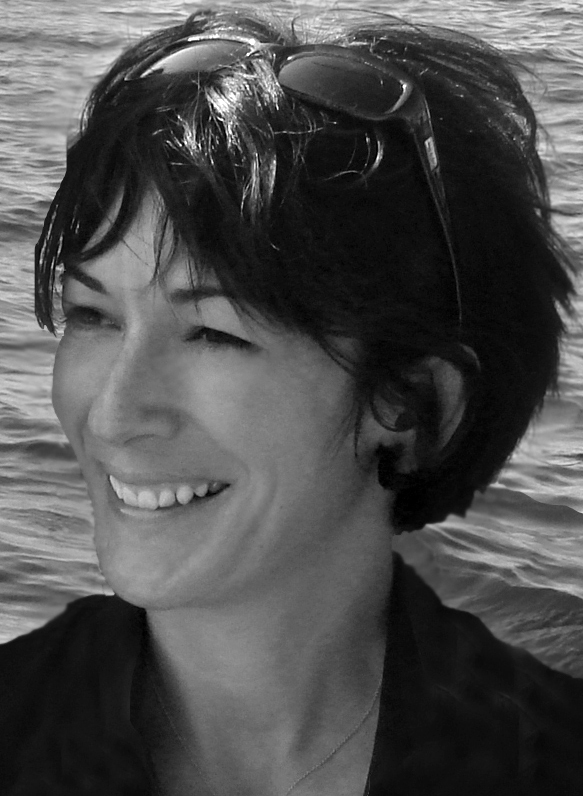 Ghislaine Maxwell
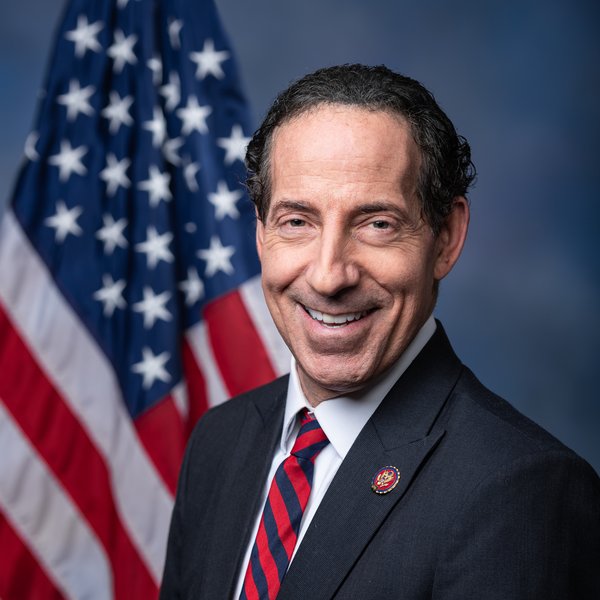 Jamie Raskin
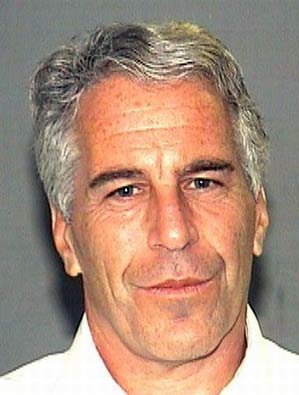 Jeffrey Epstein
 Joi Ito
 Lawrence Summers
 Leon Botstein
 Leslie Wexner
 Dr. Letty Moss-Salentijn
 Martin Nowak
 Richard Axel
 Seth Lloyd
 Steven Pinker
 Dr. Thomas Magnani