Epstein Case Exposes Cracks in America's Rule of Law System
Key Takeaways
- ▶ China's CGTN published an editorial using America's Epstein cover-up as propaganda, claiming the case mirrors the decline of American rule of law.
- ▶ The DOJ released 3.5 million pages under the Epstein Transparency Act (signed November 19, 2025, passed House 427-1) but maintained heavy redactions throughout.
- ▶ Les Wexner, who transferred a $77 million mansion to Epstein for $0, was subpoenaed by Congress; Lord Peter Mandelson, former UK ambassador to the U.S., was also summoned to testify.
- ▶ Kathryn Ruemmler resigned from Goldman Sachs after 'Uncle Jeffrey' emails surfaced; Sultan Ahmed Bin Sulayem left DP World over 4,700 file mentions.
- ▶ Epstein's 2008 plea deal, negotiated by Alexander Acosta with defense lawyers Alan Dershowitz and Kenneth Starr, resulted in just 13 months of county jail with work release.
China’s state-run broadcaster CGTN published an editorial on February 14, 2026 titled “The Epstein case mirrors the decline of America’s rule of law,” arguing that the U.S. government’s handling of Jeffrey Epstein-related documents demonstrates systemic failures in American governance.1 The piece appeared amid ongoing debates in Congress over the scope of redactions applied to millions of pages of Epstein files released by the Department of Justice.2
CGTN Editorial and Its Context
CGTN, which operates under the China Media Group and is overseen by the Chinese Communist Party’s Publicity Department, framed the Epstein case as an example of what it described as declining rule of law in the United States.1 The editorial cited the DOJ’s continued redactions of Epstein-related documents and the absence of prosecutions against individuals named in the files as evidence of institutional dysfunction.1
The Chinese government has previously used U.S. domestic controversies in its public messaging. China’s State Council Information Office publishes an annual report on human rights in the United States, and Chinese state media have cited issues such as gun violence, racial inequality, and political polarization to counter American criticisms of China’s human rights record.3
Status of the Epstein Transparency Act
The Epstein Transparency Act passed the U.S. House of Representatives with a 427-1 vote, passed the Senate unanimously, and was signed into law on November 19, 2025.4 Under the law, the DOJ released approximately 3.5 million pages of Epstein-related documents but applied redactions throughout.2
Attorney General Pam Bondi stated that the redactions were necessary to protect ongoing investigations, the privacy of victims, and national security interests.5 Several members of Congress contested that characterization, arguing that the redactions exceeded what the law authorized.4 A report also emerged that the DOJ had tracked which lawmakers searched for specific names within the released files, drawing bipartisan criticism.6
President Trump publicly stated that the country should “move on” from the Epstein investigation.7
Congressional Actions and Named Individuals
A House member named six men on the House floor who the lawmaker said were shielded by redactions in the released documents.8 Among those named was Les Wexner, the founder of L Brands and Epstein’s only publicly confirmed major financial client. Property records show Wexner transferred a Manhattan mansion valued at approximately $77 million to Epstein for $0.9 Congress issued subpoenas for Wexner’s testimony.8
Lord Peter Mandelson, a former UK Labour cabinet minister and Baron Mandelson, was also summoned by Congress to testify regarding his connections to Epstein.8
Corporate and Legal Fallout
Several figures connected to Epstein faced professional consequences following the document releases. Kathryn Ruemmler, former Obama White House counsel who had been serving as Goldman Sachs general counsel, resigned from her position after emails in which Epstein was referred to as “Uncle Jeffrey” became public.10 Sultan Ahmed Bin Sulayem, CEO and chairman of DP World, departed the company after his name appeared in approximately 4,700 mentions across the released files.11
Separately, a federal court allowed a trafficking lawsuit filed against Bank of America to proceed, with the plaintiffs alleging the bank facilitated financial transactions connected to Epstein’s operations.12
Parallel Investigations
The New York Times announced that it had launched an independent investigation into the released Epstein documents, deploying a team of reporters to review millions of pages.13 Multiple news organizations and congressional committees continued to review the released files and press for further disclosures as of mid-February 2026.
References
- CGTN, “The Epstein case mirrors the decline of America’s rule of law,” February 14, 2026. Source
- FBI statement on Epstein file redactions, February 2026. Related coverage
- China State Council Information Office, “Human Rights Record of the United States,” annual reports (2019–2025).
- Congressional Record, Epstein Transparency Act, House vote 427-1, signed into law November 19, 2025.
- Attorney General Pam Bondi, congressional testimony on Epstein file redactions, February 2026. Related coverage
- Reports on DOJ tracking of lawmakers’ Epstein file searches, February 2026. Related coverage
- President Trump’s public remarks on the Epstein investigation, February 2026.
- House floor remarks naming six individuals in redacted Epstein files, February 14, 2026. Related coverage
- New York City property transfer records, Wexner-to-Epstein mansion transfer; reported by multiple outlets including the New York Times.
- Reports on Kathryn Ruemmler’s resignation from Goldman Sachs following release of Epstein-related emails, February 2026.
- Reports on Sultan Ahmed Bin Sulayem’s departure from DP World, citing approximately 4,700 mentions in Epstein files, February 2026.
- Federal court ruling allowing trafficking lawsuit against Bank of America to proceed, February 2026.
- New York Times announcement of independent Epstein document investigation, February 2026. Related coverage
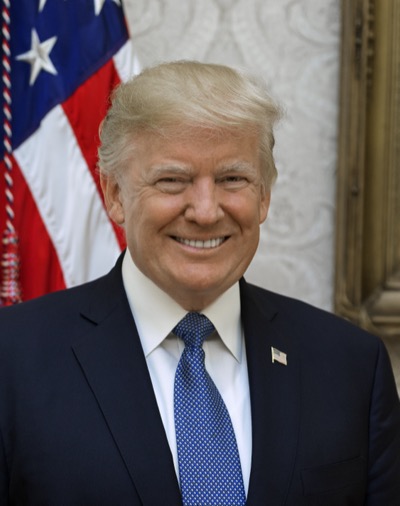 Donald Trump
 Ghislaine Maxwell
 Kathryn Ruemmler
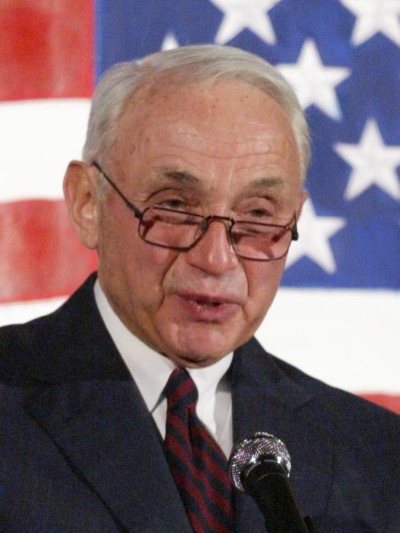 Leslie Wexner
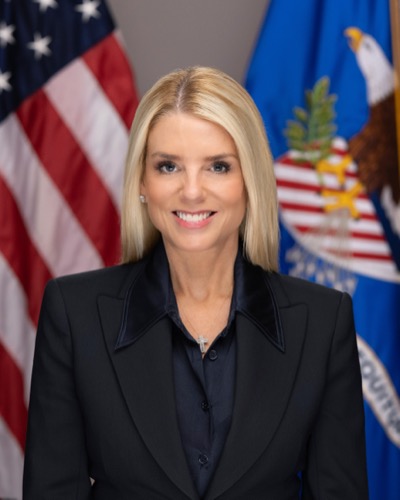 Pam Bondi
 Peter Mandelson
 Sultan Ahmed Bin Sulayem