Bipartisan Vote Forces Attorney General to Testify on Epstein Files

Key Takeaways
- ▶ A bipartisan congressional vote has compelled the Attorney General to testify on the Justice Department's handling of Epstein files.
- ▶ The action comes after the Epstein Transparency Act mandated release of government records related to Epstein's network.
- ▶ Multiple congressional committees have escalated oversight, subpoenaing Bill Gates, Kathryn Ruemmler, and Commerce Secretary Howard Lutnick.
- ▶ A Wall Street Journal investigation found DOJ prosecutors examined Epstein associates for sex crimes but charged none.
A bipartisan congressional vote has compelled the Attorney General to testify regarding the Justice Department’s handling of Epstein files, according to International Business Times UK.1 The move reflects growing frustration among lawmakers in both parties over the pace and scope of document releases under the Epstein Transparency Act.
Congressional committees possess subpoena power to compel executive branch officials to appear for testimony. When a committee votes to compel testimony, the official is legally required to appear or risk being held in contempt of Congress. The bipartisan nature of this particular vote suggests support from both Republican and Democratic members.1
DOJ’s Custody of Epstein Records
The Attorney General oversees the Department of Justice, which has maintained custody of records related to Jeffrey Epstein’s crimes and associate network. The DOJ controls FBI investigative files, federal prosecutor work product, and evidence collected during both the 2008 Florida case and the 2019 federal prosecution.
The department has faced mounting criticism over its handling of Epstein-related investigations. A Wall Street Journal report found that federal prosecutors examined several Epstein associates for potential sex crimes but charged none.1
The compelled testimony comes after the Epstein Transparency Act was signed into law, mandating the release of government records related to Epstein and his network of associates.1 The FBI has since begun its review of Epstein-related records under the new statute.1
Congressional Oversight Expands
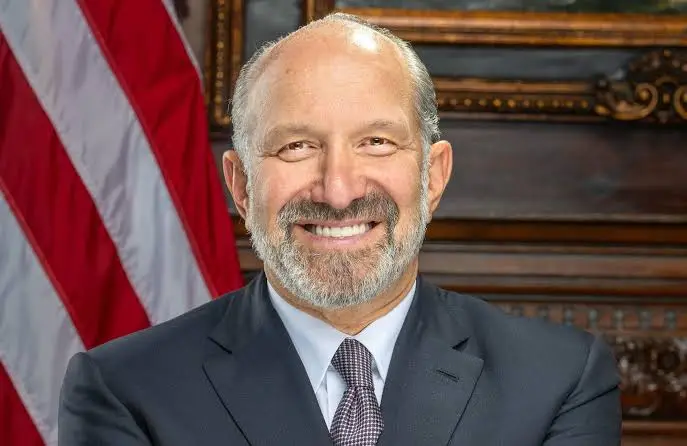
Multiple congressional committees have escalated their examination of Epstein’s network in recent weeks. A House panel subpoenaed Bill Gates and former Obama White House counsel Kathryn Ruemmler as part of its investigation.1 Commerce Secretary Howard Lutnick has also been called to testify regarding a visit to Epstein’s island.1
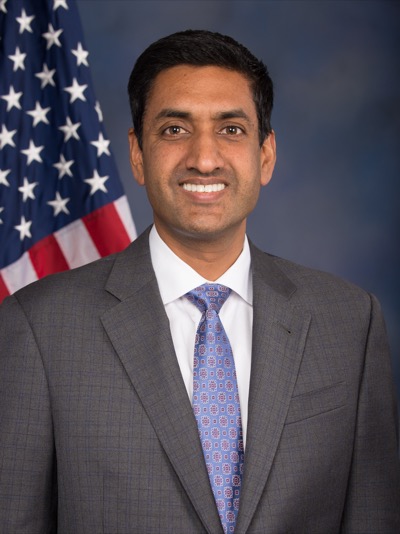
Rep. Ro Khanna (D-Calif.) stated in late February that more names will emerge from the Epstein files as document releases continue.1
Courts have already released new batches of Epstein-related documents, and citizen journalists have worked to decode the materials as the pace of public disclosure has accelerated.1
Legal Background
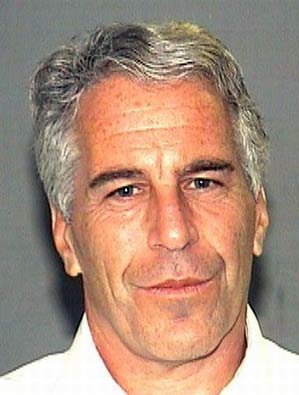
Jeffrey Epstein was convicted in 2008 on state charges of soliciting a minor in Florida. He received a controversial plea agreement that allowed him to serve 13 months in county jail with work release privileges. Federal prosecutors in New York arrested him again in July 2019 on federal sex trafficking charges. He died in his Manhattan jail cell in August 2019 while awaiting trial, in what was ruled a suicide by the New York medical examiner.
His longtime associate Ghislaine Maxwell was convicted in December 2021 of sex trafficking minors and related charges. She is currently serving a 20-year federal prison sentence.
The Attorney General’s testimony may address questions about the Justice Department’s investigative decisions, its compliance with the Epstein Transparency Act, and the status of any ongoing inquiries related to Epstein’s network. Witness testimony before congressional committees typically occurs under oath, making false statements a federal crime.1
 Bill Gates
 Ghislaine Maxwell
 Howard Lutnick
 Jeffrey Epstein
 Kathryn Ruemmler
 Ro Khanna